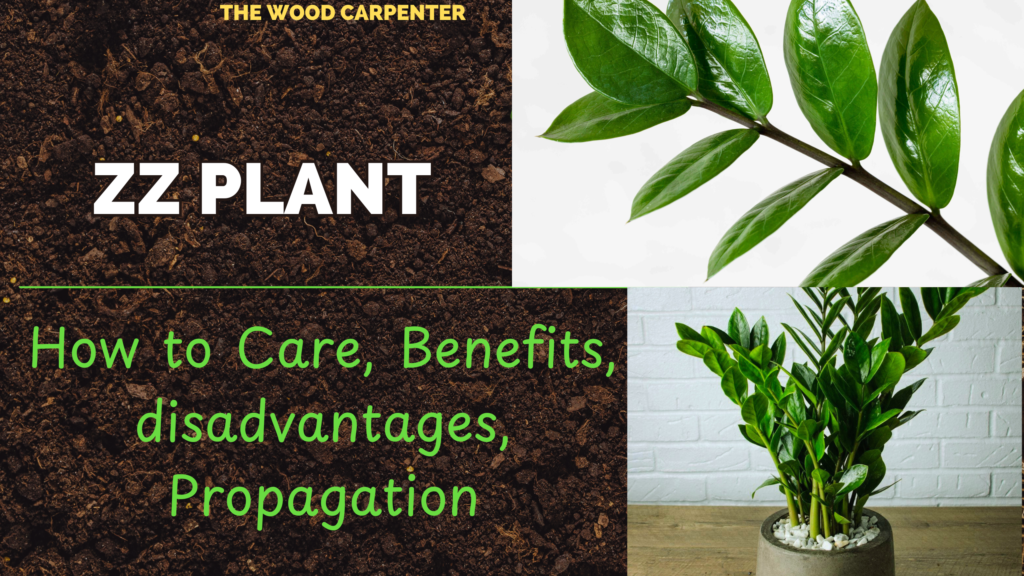
The ZZ plant, also called the Zanzibar Gem, is a very popular indoor plant. People like it because it has shiny green leaves, looks stylish, and is very easy to care for. You can keep it in an office, bedroom, or hallway, and it will make the place look fresh and lively.
This plant is strong and doesn’t need much care. It helps clean the air, grows well in low light, and survives for many years with very little water. Whether you are new to plants or experienced, the ZZ plant is a great, stress-free choice.
ZZ Plant Scientific Name
The botanical name of the ZZ plant is Zamioculcas zamiifolia. It belongs to the Araceae family, the same family as pothos and peace lilies.
The ZZ plant comes from eastern Africa, mainly Zanzibar and Tanzania. It naturally grows in dry areas, so it has thick roots called rhizomes that store water. This helps the plant survive long times without watering.
Why Is the ZZ Plant So Popular?
The ZZ plant has become a favorite for minimalists, plant beginners, and busy people because:
• It is extremely hard to kill.
• It survives in low-light areas and also handles brighter spots.
• It needs very little water.
• It helps improve indoor air quality.
• It stays attractive all year with almost no attention.
The plant is also known as the “Eternity Plant”, representing long life, wealth, and steady growth.
ZZ Plant Benefits
The ZZ plant isn’t just decorative — it brings several important benefits to indoor spaces.
- Air Purification: It helps filter harmful chemicals like benzene, toluene, and xylene from indoor air.
- Natural Stress Relief: Its rich green leaves promote calmness and ease stress.
- Low Effort, High Impact: Ideal for people who forget to water plants or have dark rooms.
- Boosts Focus & Productivity: Plants like the ZZ can help improve concentration and creativity.
- Stylish Appeal: Its upright growth and glossy foliage add a modern, elegant touch to any décor style.
ZZ Plant Benefits at Home
There are other reasons to keep a ZZ plant at home besides style and air purification:
• Increases indoor oxygen by absorbing carbon dioxide (CO2) and releasing oxygen.
• In feng shui, it symbolizes wealth, growth and positive energy.
• Looks great on shelves or tables because it remains clean and neat.
• Helps refresh rooms that feel dull or stagnant.
• Great for bedrooms and offices since it requires minimal upkeep maintenance.
Ideal Growing Conditions for ZZ Plant
To help the ZZ plant thrive, recreate some of the conditions of its African habitat — indirect light, warmth, and well-drained soil.
1. Light
The ZZ plant is also a great low-light option, as it grows best with little to bright indirect light.
Position it several feet from a window where the light is gentle.
Too much direct afternoon sun can burn the leaves.
Tip: Perfect for offices and bedrooms with artificial light.
2. Temperature
The ZZ plant prefers indoor temperatures between 18°C–26°C (65–80°F).
It does not like cold drafts, so avoid winter windows, open doors, or direct AC airflow.
3. Soil Requirements
Use soil that drains quickly. A mix based on cactus or succulent is also good.
If you want to create your own mix:
• 2 parts potting soil
• 1 part perlite
• 1 part coco peat or coarse sand
Be sure to always select a pot with holes at the bottom for drainage; otherwise roots are likely to rot.
4. Watering
Watering is really where people get things wrong — the ZZ plant likes less water, not more.
• Water only when the soil is fully dry (around every 2–3 weeks).
• In winter, reduce watering to once a month.
• Let all excess water drain out.
Excessive watering can cause the rhizomes to rot, but that is usually what kills a plant.
5. Humidity
Normal room humidity (30-50%) is ideal.
No misting needed — too much moisture can harm the plant.
6. Fertilizer
Lightly feed every 2–3 months in spring and summer, using a diluted liquid succulent fertilizer.
Do not fertilize in winter.
Jade Plant Secrets: How to Care, Propagate, Benefits & Perks
ZZ Plant Care Tips
- Use pots with drainage holes.
- Rotate the plant monthly for even growth.
- Wipe leaves with a damp cloth to keep them shiny.
- Repot every 2–3 years.
- Do not use too much fertilizer — a little goes a long way.
Common ZZ Plant Problems and How to Fix Them
Even though they’re strong, ZZ plants may show signs of stress:
Yellowing Leaves
Cause: Overwatering or poor drainage
Fix: Let soil dry completely; consider repotting.
Curling Leaves
Cause: Too little water or dry air
Fix: Give a deep watering and follow normal watering intervals.
Brown Tips
Cause: Direct sun or harsh tap water
Fix: Move to indirect light; use filtered or rested water.
Drooping Stems
Cause: Overwatering or cold temperatures
Fix: Reduce watering and shift to a warmer spot.
Grasshoppers Taking Over? Try These 12 Powerful Fixes!
ZZ Plant Propagation
ZZ plant propagation is easy, but requires patience — growth is slow.
1. Leaf Cutting Method
- Remove a healthy leaf.
- Let it dry for 1–2 days.
- Place it in moist soil.
- Roots and new shoots appear after 6–8 weeks.
2. Stem Cutting Method
- Cut a healthy stem with several leaves.
- Let it dry for a day.
- Place it in soil or water until roots form.
3. Rhizome Division
- Gently remove the plant from the pot.
- Separate the thick rhizomes.
- Plant each part in its own pot.
ZZ Plant Flower
ZZ plant flowers are rare but special.
Mature plants may produce a small, pale yellow or creamy spadix near the base — similar to peace lily blooms.
They usually appear in late summer or early autumn with proper light and balanced care.
ZZ Plant Raven
The ZZ Plant Raven is a striking dark-leaf variety.
New leaves start bright green, then slowly turn into deep, glossy black — creating a dramatic look.
Care is the same as a regular ZZ plant, but:
• It develops better color in bright, indirect light.
• Too much water may make the leaves fade.
This variety is popular in modern homes and luxury interiors.
ZZ Plant Disadvantages
While the ZZ plant is amazing, keep these cautions in mind:
- Toxicity: Contains calcium oxalate; keep away from pets and children.
- Slow Growth: Grows slower than many other houseplants.
- Higher Cost for Rare Types: Varieties like ZZ Raven can be pricey.
- Sensitive to Overwatering: Many beginners accidentally overwater it.
Still, its strengths easily outweigh these limitations.
Where to Place ZZ Plant in Home
For the best results:
• Put it in bright spaces with indirect sunlight.
• Place it in entryways, hallways, bedrooms, or offices.
• Keep away from cold windows and heating vents.
Feng Shui Tip:
Place the ZZ plant in the southeast corner — believed to enhance wealth, health, and growth energy.
Quick ZZ Plant Care Summary
| Care Factor | Ideal Condition | Common Problem | Fix |
| Light | Indirect sunlight | Pale leaves | Move closer to window |
| Water | Every 2–3 weeks | Yellow leaves | Reduce watering |
| Soil | Well-draining | Soggy soil | Add perlite or sand |
| Temperature | 18–26°C | Slow growth | Keep warm |
| Fertilizer | Light feeding | Leaf burn | Dilute fertilizer |
FAQs About ZZ Plant
What is the scientific name of the ZZ plant?
Zamioculcas zamiifolia.
How often should I water it?
Only when the soil is fully dry — about every 2–3 weeks.
Can ZZ plants grow in low light?
Yes, they’re one of the best plants for low-light rooms.
Do ZZ plants flower?
Rarely, but mature plants may produce a small spadix near the base.
What are the benefits of ZZ plants at home?
Air purification, prosperity, improved mood, and extremely easy care.
What is a ZZ Plant Raven?
A black-leaved variety of the ZZ plant.
Are ZZ plants toxic?
Yes, slightly — keep away from pets and kids.
Disadvantages of ZZ plant?
Toxicity, slow growth, higher cost for rare types, and sensitivity to overwatering.
How do I propagate it?
Leaf cuttings, stem cuttings, or rhizome division.
Daily care tips?
Give indirect light, water sparingly, and wipe leaves occasionally.