Last Updated on December 10, 2025 by Sam Wood Worker
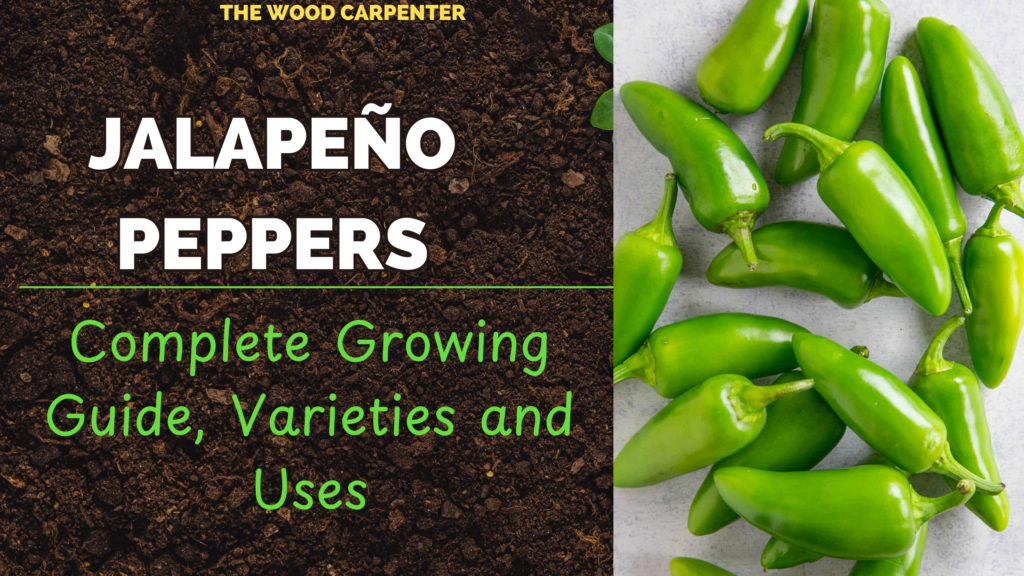
Jalapeño peppers have a medium heat (2,500 to 8,000 Scoville units) and are adored for their crispy bite and bright flavor. They begin green and turn red as they mature, which makes them not only ideal for salsas but also stuffing, pickling and cooking.
These peppers come from Mexico in the Veracruz area, dating back to being first cultivated some 6,000 years ago. They are named after the city Xalapa (Jalapa).
Home gardeners appreciate jalapeños for their productivity, with each plant producing 30–40 peppers in the right growing conditions.
In most parts of the country jalapeños are grown as annuals but in hot climates (zones 9-11) they behave more like short-lived perennials. They require warmth, consistent moisture and full sun if they are to attain their maximum height of 3 feet.
This guide includes growing steps, best varieties to consider, pest control and kitchen uses that will help you make the most of your harvest.
Origins and Unique Traits of Jalapeño Peppers
Jalapeños were first cultivated in ancient Mesoamerica and were used for both culinary and medicinal purposes. The peppers grow 3–4 inches long and have thick walls compared to many other hot peppers. They typically measure 2.5–3.5 inches in length and 1–1.5 inches wide at the top.
The plants usually reach 2–3 feet tall and wide. They branch well when pinched early and self-pollinate through wind or visiting bees.
The heat level varies depending on plant stress—more sun or drought conditions often increase capsaicin, making the peppers sp spicier.
Nutritionally, one jalapeño contains only 4 calories but provides:
- Double the recommended daily amount of vitamin C
- Vitamin B6
- Potassium
- Fiber
- Antioxidants that help fight inflammation and support digestion
Capsaicin, the compound that creates heat, is known to help with metabolism, pain relief, and digestive health.
Jalapeño Pepper Varieties to Explore
The classic jalapeño is popular, but many hybrid and specialty varieties offer more heat, unique colors, or earlier harvests.
Popular Varieties
- Early Jalapeño – Has mild heat, ready in 60 days and suitable for short-season gardens.
- Mucho Nacho – Large peppers up to 9 inches long, ideal for stuffing and grilling.
- Jalafuego – An extra-hot type and can reach as high as 10,000 Scoville units.
- Purple Jalapeño – Decorative lavender peppers, that will will turn red at maturity.
- Nadapeño F1 – Mild, small plants ideal for containers.
- Black Jalapeño – Dark fruit with a smoky flavor profile.
- Señorita – Slender pods great for pickling.
- Biker Billy – Hotter option with up to 20,000 Scoville units.
Quick Comparison Table
| Variety | Heat Level (Scoville) | Pod Size | Best For |
| Early Jalapeño | 2,500–5,000 | 3 inches | Short seasons |
| Mucho Nacho | 1,000–4,000 | 5–9 inches | Stuffing/grilling |
| Jalafuego | Up to 10,000 | 3–4 inches | Strong heat |
| Purple Jalapeño | 2,500–8,000 | 3 inches | Ornamental gardens |
| Nadapeño F1 | Mild–medium | 4 inches | Containers |
| Biker Billy | 10,000–20,000 | 3–4 inches | Extra spice lovers |
Ideal Growing Conditions for Jalapeños
Jalapeños need warmth and sunlight to thrive. Aim for 8–16 hours of direct sunlight daily, especially strong midday light.
The ideal daytime temperature is 65–85°F (18–29°C), with nighttime temperatures 60–70°F (16–21°C). Frost will kill the plants, so wait until all danger of frost has passed.
They grow best in rich, loamy soil with a pH between 6.0 and 6.8. Compost improves fertility and structure.
Key Growing Requirements
| Condition | Preference | Why It Matters |
| Sunlight | 8–16 hours | Boosts heat and fruit production |
| Soil | Loamy, pH 6.0–6.8 | Strong roots, prevents rot |
| Temperature | 65–85°F | Ideal growth and fruit set |
| Spacing | 14–24 inches | Allows airflow and reduces disease |
| Water | Even, steady moisture | Prevents cracking and blossom end rot |
Spacing plants 14–24 inches apart allows airflow. For container growing, use pots of at least 5 gallons with good drainage.
Jalapeño Growing Stages Explained
Jalapeños grow in predictable phases:
- Germination:
Takes 7–21 days at soil temperatures of 80–90°F. - Seedling Stage:
First true leaves appear within 2–3 weeks. - Vegetative Growth:
Bushy green growth for 4–6 weeks after transplanting. - Flowering and Fruit Set:
Begins 60–70 days after transplanting. - Green Harvest Stage:
Peppers are ready to pick around 70–80 days. - Red Ripening Stage:
Takes an additional 2–4 weeks for full red maturity.
Plants usually produce their best harvest in midsummer.
Step-by-Step Planting and Care Routine
Start seeds indoors 8-10 weeks before last frost date. Transplant outside after night temperature consistently stays above 60°F.
Pinch off the tops when they’re around 12 inches high to produce bushier growth. Water deeply when the top inch of soil is dry and keep leaves dry to avoid disease.
Use compost every two weeks during early growth. When flowers appear, switch to a fertilizer higher in potassium and phosphorus. Prune excess suckers to allow airflow through the plant.
In warm climates, jalapeños can be grown as perennials for 3–5 years. Harvest peppers green at 70–80 days or let them turn red for sweeter, hotter flavor.
Growing Jalapeños in Pots and Indoors
Jalapeños grow very well in containers, especially for small patios or balconies. Use a 5–10 gallon pot filled with potting mix and perlite for drainage.
Place pots in a sunny spot and rotate them weekly to ensure even growth. Container plants dry faster, so water more often.
Indoors, grow jalapeños under full-spectrum LED grow lights for 14–16 hours a day. Keep temperatures between 70–85°F with 40–60% humidity.
Indoor plants generally produce fewer peppers but offer year-round harvests.
Common Pests, Diseases, and Fixes
Aphids, spider mites, flea beetles and cucumber beetles are all common pests that may be attracted to jalapeños. Plants can be sprayed with water or neem oil for insect control.
Inconsistent watering is responsible for blossom end rot, while fungal diseases such as phytophthora blight and fusarium wilt result from wet conditions.
Symptoms to Watch For
- Yellow leaves: Overwatering, underwatering, or nutrient issues
- Brown spots: Calcium deficiency
- Wilting: Root rot or pests
With proper care, healthy plants are resistant to most problems.
Kitchen Uses and Harvest Tips
Harvest firm green peppers with scissors or pruners to encourage more fruit. Small cracks or corking lines indicate maturity and flavor.
Jalapeños shine in the kitchen:
- Stuffed with cheese
- Pickled
- Roasted for salsa
- Added to soups, stews, or stir-fries
- Frozen whole or dried for powder
As a side note, “Jalapeño grow a garden Roblox” refers to virtual farming games that simulate pepper growing—fun to play, but real plants are much more rewarding.
FAQ: Jalapeño Pepper Essentials
How tall do jalapeño plants grow?
Most reach 2–3 feet, with compact types under 2 feet.
When should I harvest them?
Green at 70–80 days; red after 90 days or more.
Can jalapeños grow in pots?
Yes—use containers at least 5 gallons with good drainage.
Why is my plant not producing fruit?
Usually due to low light, cold temperatures, or poor pollination.
Are jalapeños healthy?
Yes. They are high in vitamin C, vitamin B6, fiber and antioxidants.
How do I reduce jalapeño heat?
Remove the seeds and inner veins. Cooking also reduces spiciness.
How long do jalapeño plants live?
3–5 years in warm, frost-free climates.
How big do jalapeños get?
Typically 2.5–3.5 inches long, but giant varieties can reach up to 9 inches.