
Last Updated on July 7, 2026 by Sam Wood Worker
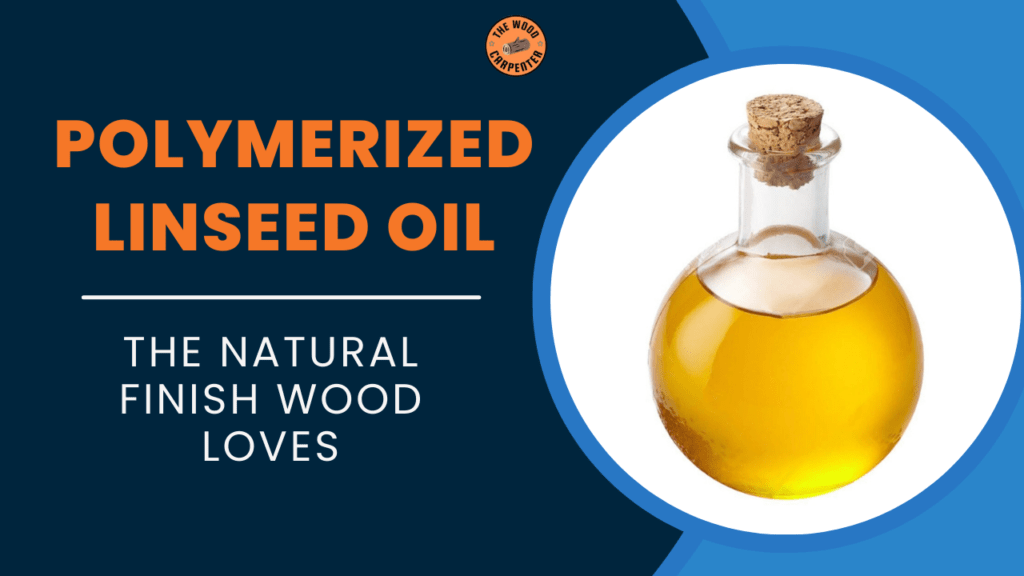
If you’ve ever put the final touches on a wooden project like flooring or cabinetry and found yourself disappointed with sticky feeling surfaces, harsh chemical odors or long wait times for everything to dry, switch over to polymerized linseed oil as a one-stop solution.
This finish has quietly become the go-to for furniture makers, instrument builders and restoration specialists who seek beautiful wood without plastic-looking finishes or toxic chemicals.
Polymerized linseed oil is simple, natural, and effective. It defines the true nature of wood and provides lasting protection. This guide describes what it is, why it works so great, and how to use it correctly—even if you’re a total beginner in working with wood.
What Is Polymerized Linseed Oil ?
Polymerized linseed oil starts as regular linseed oil, which is pressed from flax seeds. Flaxseeds naturally contain an abundance of fatty acids, and it’s the same reason that when linseed oil is exposed to air it hardens.
The distinction is in how the oil is processed. Instead of introducing chemicals to facilitate drying, the oil is heated in a blast furnace without any oxygen present. It is this heat that forces the oil molecules to bond together in a process known as polymerization.
This changes the oil in three important ways. It becomes thicker, it dries much faster, and it forms a tougher finish once cured. No solvents, no metal driers, and no toxic additives are involved. What you get is still 100% natural oil—just improved through heat.
This is very different than boiled linseed oil, which typically contains chemical driers to help it dry faster, but also make it unsuitable for food-safe or low-toxicity projects.
Why Polymerization Makes Such a Big Difference
Raw linseed oil dries very slowly. In some cases, it can stay sticky for weeks. Polymerized linseed oil solves this problem at the molecular level.
Because the oil molecules are already partially bonded together, they react with oxygen more efficiently once applied to wood. This means the oil dries to the touch within about 12–24 hours and reaches practical hardness in just a few days.
The thicker texture may surprise first-time users, but it actually helps. Instead of flooding the surface and running everywhere, the oil moves slowly into the wood. This gives you better control and more even coverage.
Once cured, the finish remains flexible. This is important because wood naturally expands and contracts with humidity changes. A flexible finish moves with the wood instead of cracking or peeling, which helps it last longer.
How Polymerized Linseed Oil Looks on Wood
This finish doesn’t go on the wood like varnish or polyurethane. Instead, it is absorbed deep into the wood, reinforcing from within. The result is that you get an appearance as warm and natural as the real wood — not plastic.
The grain becomes richer and deeper, with a soft satin sheen rather than high gloss. Light woods gain a gentle golden tone, while darker woods develop depth and warmth. The wood still feels like wood when you touch it, which is something many people prefer.
Over time, the finish ages gracefully. Instead of peeling or clouding, it slowly develops character. When it looks tired, you simply refresh it with another thin coat.
How to Apply Polymerized Linseed Oil Properly
Good preparation makes all the difference. Sand your wood smoothly, usually stopping around 220 or 320 grit. Extremely fine sanding can actually reduce absorption, so smoother is not always better.
Remove all dust before applying the oil. Even small dust particles will show through oil finishes.
Pour a small amount of oil into a separate container. Apply it using a clean cloth, pad, or brush, working it into the wood along the grain. The surface should look wet but not flooded.
Let the oil sit for about 15–30 minutes. Some woods absorb quickly, while others don’t. Add more oil only where it fully soaks in.
After this waiting period, wiping is critical. Use a clean cloth and remove all excess oil. The surface should feel slightly damp, not wet. Leaving extra oil behind is the most common mistake and leads to sticky finishes.
Allow each coat to dry fully before applying the next. Most projects need three to five coats. Each coat adds depth and protection, not thickness.
Used rags must be handled carefully. Always lay them flat to dry or store them submerged in water. Never bunch them up, as oil-soaked rags can catch fire due to heat from oxidation.
Where Polymerized Linseed Oil Works Best
This finish is ideal for tables, cabinets, shelves and chairs. It beautifies the wood without hiding the grain.
Tool handles in particular benefit from the oil, since it enhances grip and adds a layer of water protection while retaining its natural feel in the hand.
Interior woodwork like trim, paneling, and doors looks warm and traditional with this finish. It avoids the shiny, artificial look of modern coatings.
Cutting boards, serving trays and wooden utensils can safely be finished with polymerized linseed oil that has dried thoroughly provided the product is pure and additive free.
Musical instruments also benefit because the thin, flexible finish does not interfere with sound vibration.
Outdoor use is possible but limited. The oil resists moisture, but it does not block UV light. It does best outdoors when combined with UV-protective oils or frequent upkeep.
Polymerized Linseed Oil Compared to Other Oils
Here is a clear comparison to help you choose the right finish:
| Type | Drying Time | Additives | Food-Safe | VOCs | Best Use |
| Raw Linseed Oil | Weeks | None | Yes | No | Traditional projects with patience |
| Polymerized Linseed Oil | 1–2 Days | None (heat only) | Yes | No | Furniture, safe natural finishes |
| Boiled Linseed Oil | Hours–Days | Chemical driers | No | Yes | Fast jobs, non-food items |
Compared to Danish oil, polymerized linseed oil is purer and easier to repair. Compared to tung oil, it is more affordable and easier to apply, though slightly less water-resistant.
Maintenance and Long-Term Care
Maintaining this finish is simple. Dust regularly and clean with a lightly damp cloth when needed. Avoid harsh cleaners.
When the surface starts to look dull or dry, apply a fresh coat. No stripping is required. Light sanding may help if the surface is very worn, but often it isn’t necessary.
Most indoor pieces need refreshing every one to three years, depending on use.
Safety You Should Never Ignore
The oil itself is safe, but oily rags are dangerous. As the oil dries, it produces heat. If rags are bunched together, this heat can cause spontaneous combustion.
Always spread rags flat to dry or place them in water inside a metal container. This one habit prevents serious fires.
Buying and Storage Tips
Look for labels that clearly say “100% polymerized linseed oil.” Avoid products that mix in solvents or driers unless that is what you want.
Store the oil tightly sealed in a cool, dark place. Over time, it may thicken naturally. Gentle warming can restore workable consistency.
Frequently Asked Questions
Is polymerized linseed oil food-safe?
Yes, once completely cured polymerized linseed oil is non-toxic, food-safe and can be found on a lot of cutting boards and wooden utensils.
How long does it take to dry?
It is typically dry to the touch in 12–24 hours and usable within a few days. Curing is completed in a few weeks.
Does it waterproof wood?
It resists moisture well but is not fully waterproof. Standing water should be avoided.
Does it yellow over time?
It darkens wood slightly with a warm tone but stays stable compared to raw linseed oil.
Can beginners use it easily?
Yes. It is forgiving, it repairs easily and it is great for learning an oil finish.
Final Thoughts
Polymerized linseed oil isn’t about speed or shine — it is a matter of respect for the wood. It builds on what’s there, instead of covering it up. So for anyone in the market for raw materials and products that age well this oil is an adulteration-free update.
It can have surfaces, used properly, that feel alive and even get better with age while also being able to be reborn time and time again. That’s why there are so many craftspeople who quietly swear by it.