White caulk is one of those little home improvement wonders that makes a big difference, but it does so quietly. When it’s done properly, you hardly notice it.
When it fails, it’s impossible to ignore. Gaps around tubs, sinks, windows, baseboards, and trim don’t just look messy—they let in water, air, and eventually damage.
Which is why white caulk stays the go-to sealant in American homes. It blends into white fixtures and trim, seems clean and works in almost any room (provided you select an appropriate type). The secret is in realizing that not all white caulk is created equal.
This guide covers what white caulk is, the types available, where it works best, how to apply it properly and what pitfalls homeowners should avoid.
Why White Caulk Is So Popular in U.S. Homes
Most American homes use white finishes everywhere—bathtubs, toilets, sinks, baseboards, door trim, window frames, and ceilings. White caulk blends into these surfaces naturally, creating clean lines instead of visible seams.
White also makes maintenance easier. When caulk starts to fail, you can see it. Mold, cracks, or separation are obvious, which means you’re more likely to fix the problem early instead of discovering water damage later.
Another big advantage is repainting. Paintable white caulk disappears once painted, making trim and walls look smooth and finished. Years later, repairs are still easy because white never goes out of style.
The Main Types of White Caulk (And What They’re Really For)
White caulk comes in different formulas, and choosing the wrong one is the fastest way to waste time and money.
Acrylic Latex Caulk (Best for Paint and Trim)
Acrylic latex caulk is water-based, easy to apply, and easy to clean up. This is the caulk most homeowners use for interior jobs like baseboards, crown molding, door frames, and small wall cracks.
It’s paintable, flexible enough for indoor use, and dries fairly quickly. You can usually paint over it within 30–60 minutes.
However, acrylic latex does not like water. It’s not meant for tubs, showers, or areas that stay wet.
100% Silicone Caulk (Best for Water)
Silicone caulk is the king of wet areas. It’s fully waterproof, stays flexible for years, and resists mold better than other options. This makes it ideal for bathtubs, showers, sinks, toilets, and exterior sealing.
The downside is that silicone cannot be painted. Whatever color you apply is what you’ll see forever. It also takes more effort to clean up and has a strong vinegar-like smell while curing.
Hybrid / Siliconized Acrylic Caulk (Best All-Around Choice)
Hybrid caulks combine acrylic latex with silicone additives. They are paintable, more water-resistant than standard latex, and easier to use than pure silicone.
These are great for kitchens, bathroom vanities, backsplashes, and areas that see moisture but don’t stay soaked.
White Caulk at a Glance
| Feature | Acrylic Latex | Silicone | Hybrid (Siliconized Acrylic) |
| Paintable | Yes | No | Yes |
| Waterproof | No | Yes | Water-resistant |
| Best For | Trim, walls | Tubs, showers, sinks | Kitchens, vanities |
| Cleanup | Soap & water | Solvent | Soap & water |
| Flexibility | Moderate | Excellent | Good |
| Skill Level | Beginner | Intermediate | Beginner–Intermediate |
Where White Caulk Works Best in Your Home
In bathrooms, white silicone caulk is the safest option for sealing tubs, shower corners, and toilets. It handles constant moisture and stays flexible even with temperature changes. White makes it easy to see mold early, which is a good thing.
In kitchens, hybrid or silicone caulk works best around sinks and countertops. Cooking oils, water splashes, and cleaning products can break down cheap caulk, so durability matters here.
For windows, doors, baseboards, and crown molding, acrylic latex is usually perfect. It fills gaps, paints smoothly, and gives trim that finished “builder-clean” look.
Outside the house, only exterior-rated silicone or polyurethane caulk should be used. Interior latex caulk will crack and fail outdoors.
White Caulk vs Clear Caulk: Which Is Better?
White caulk won’t show gaps as much on white surfaces such as tubs, toilets and trim. It also shows dirt and mold sooner, which helps you clean or replace it before damage starts.
Clear caulk looks modern but often yellows over time, especially in bathrooms and kitchens. It can also hide mold until it becomes a serious problem.
For the great majority of traditional homes in America, white caulk is the more prudent and would-be longer-lasting option.
How to Apply White Caulk the Right Way
Good caulking is mostly about preparation.
Old caulk must be removed completely. New caulk will not stick to old material. Scrape it out with a utility knife or caulk removal tool, then clean the area thoroughly.
Surfaces must be clean and dry. Soap residue, grease, or moisture will cause caulk to fail early.
Cut the caulk tube tip at a 45-degree angle, starting small. You can always cut more if needed.
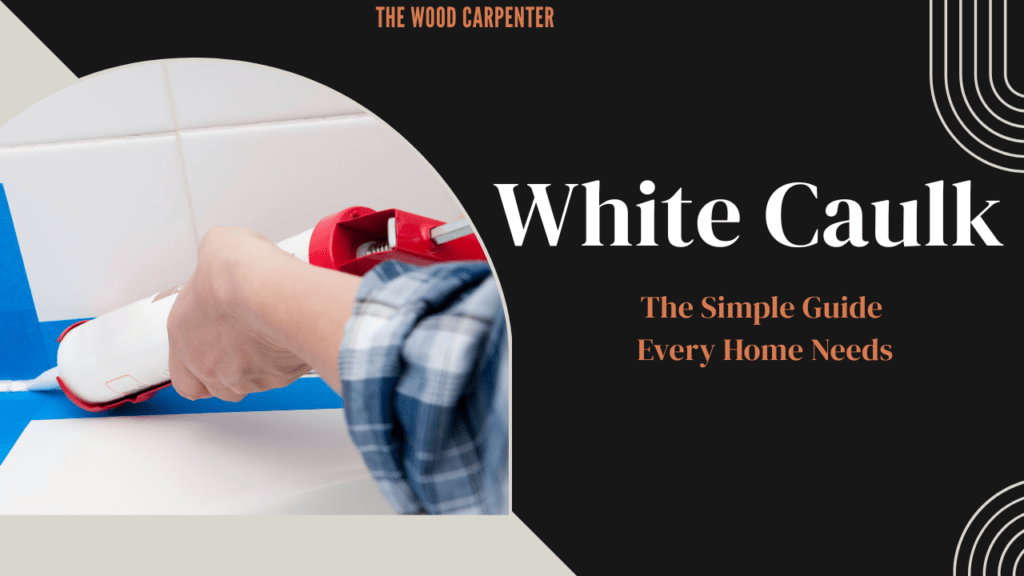
Apply steady pressure and move the gun smoothly. Then immediately smooth the bead with a wet finger or caulk tool to press it into the gap and create a clean finish.
Remove painter’s tape right away if you used it. Let the caulk cure fully before exposing it to water or paint.
Super Glue Secrets: What Happened When I Tried !
Chalk Paint Magic: Lazy Way to Make Old Furniture Look New
Common Mistakes That Ruin Caulk Jobs
The most common mistake is using the wrong type of caulk. Latex in a shower or silicone on paintable trim will always fail.
Another big mistake is applying too much caulk. Thick beads look messy and don’t last longer.
Skipping surface cleaning is also a major cause of peeling and cracking. Clean and dry always comes first.
Finally, rushing the cure time leads to early failure. Even if caulk feels dry, it may not be fully cured.
Maintenance and Replacement
White caulk doesn’t last forever.
Bathroom silicone usually lasts 3–5 years. Interior trim caulk can last 10 years or more. Exterior caulk depends on weather exposure.
If you see cracks, separation, mold that won’t clean off, or shrinking, it’s time to recaulk. Replacing caulk early prevents water damage that can cost thousands to fix.
Frequently Asked Questions
Is white caulk waterproof?
Only silicone is fully waterproof. Acrylic latex is water-resistant but not meant for wet areas.
Can white caulk be painted?
Yes, if it’s acrylic or hybrid. Silicone cannot be painted.
Why does white caulk turn yellow?
UV light, cleaning chemicals, grease, or cheap formulas cause yellowing. Silicone resists this better.
How long should caulk dry before using the shower?
At least 24 hours, sometimes 48. Always check the tube.
Final Thoughts: Why White Caulk Is Worth Doing Right
White caulk is one of the simplest upgrades that can instantly make a home look cleaner, newer, and better maintained. It keeps out water, blocks drafts and finishes surfaces in a manner that paint alone never can.
The secret isn’t buying the most expensive tube—it’s finding the right type for your needs, prepping the surface correctly and taking your time in applying it.
When it’s done well, white caulk recedes into your home. And that’s the precise way you know you absolutely got it right.