
Last Updated on August 14, 2026 by Sam Wood Worker
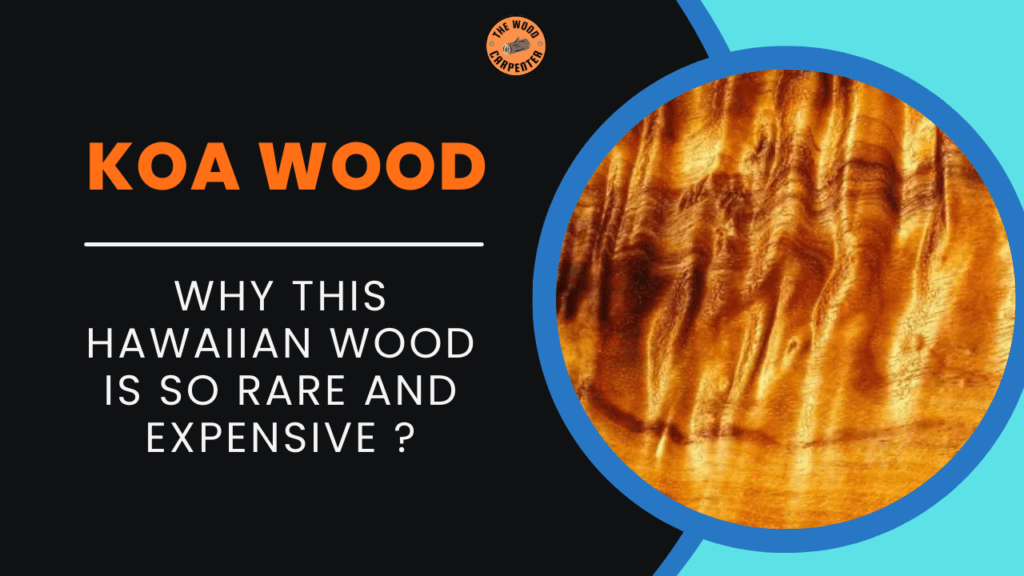
Hawaiian Koa wood is not your average hard wood. When you touch it, you’re touching Hawaiian history, culture and nature simultaneously. Warriors have crossed oceans on this wood, musical traditions were formed from it, and been a symbol of strength through the centuries. Exclusive to Hawaii, Koa is one of the scarcest and most precious woods in existence.
What Is Hawaiian Koa Wood?
Koa wood is harvested from the Acacia koa tree, a type of hardwood that grows only in the wild on the islands of Hawaii. Koa (the word means warrior in the language of Hawaii, to which it is native) could describe the strength of this wood and its cultural significance.
These trees may reach heights ranging from 50 to well over 100 feet and have thick trunks that take decades to mature. The Koa trees grow slowly, which is one of the reasons why the wood is such a commodity. Each board reflects multiple years of growth influenced by Hawaii’s volcanic soil, rain and elevation.
Discovering Koa Wood’s Origins
Koa trees flourish in a range of Hawaiian settings, from misty mountain slopes to lush forests on islands such as Hawaii (Big Island) and Maui. Koa is a member of the legume family and has important ecological functions, known for its ability to fix nitrogen in native Hawaiian forests.
A signature characteristic of koa is its deep root system, which enables the tree to survive dry conditions and move quickly over unstable volcanic soil. Its value was known to the early Polynesian settlers as far back as 400 AD when it was utilized for tools, canoes and weapons.
Responsible harvesting now gives priority to naturally fallen or storm damaged trees while protecting living forests for the future.
The Unique Beauty of Koa Wood
Koa wood is famous for its dramatic and ever-changing appearance. No two pieces look the same.
Color and Grain
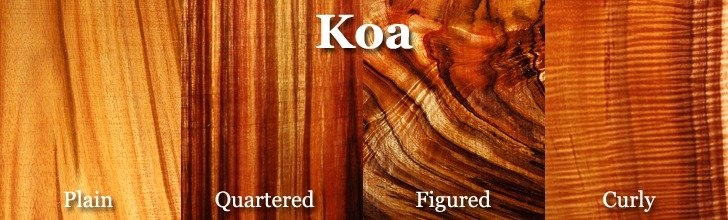
The heartwood is normally either a golden honey tones to deep reddish or chocolate brown. Some of the pieces are a little red, too.
Most boards have light and dark lines or wavy imprints. When the light hits the wood, it can appear to be lustrous and luminous, as if in motion. This shiny appearance is called chatoyancy, and people love it.
Some of these Koa wood is straight grained. But the costliest and most special have wavy or curly lines. These lines resemble ocean waves frozen in the wood.
The pale sapwood often contrasts beautifully with darker heartwood, especially in furniture designs.
Natural Shine
Even without heavy finishing, Koa has a warm natural glow. Its surface sands smoothly and reflects light softly, giving finished pieces a rich, luxurious feel without looking flashy.
Physical Properties Explained
Koa is a medium-to-hard hardwood that balances strength with usability.
- Janka hardness: around 1,170–1,220 lbf
- Density: approximately 615–700 kg/m³
This makes Koa strong enough for daily use but not so hard that it becomes difficult to work with.
One standout feature is its dimensional stability. Koa handles humidity changes better than many hardwoods, which is why it performs so well in furniture and musical instruments.
It is not naturally rot-resistant, so it performs best indoors unless well sealed.
Workability and Craftsmanship
Woodworkers love Koa because it behaves well under tools. It cuts cleanly, turns beautifully on a lathe, and finishes smoothly. Figured grain needs sharp tools to avoid tear-out, but the results are worth the care.
Koa usually glues well and accepts oils, stains, and lacquers evenly. A simple oil finish often brings out the deepest figure and color.
Cultural and Historical Importance
Koa was considered a sacred wood for ancient Hawaiians. Trees were thought to contain mana — spiritual power — and were a matter of deep respect.
Canoes and Ocean Travel
Large Koa trees were used to carve waʻa, traditional canoes that allowed Hawaiians to travel, fish, and explore vast ocean distances. These canoes were essential for survival and community connection.
Weapons and Tools
Warriors used Koa to make spears, clubs, and daggers. These weapons symbolized bravery and strength and were often reserved for chiefs and elite fighters.
Music, Art, and Nobility
Drums, bowls, surfboards, and ceremonial objects were carved from Koa. Because of its rarity, Koa items were strongly associated with aliʻi (Hawaiian nobility) and passed down as family treasures.
Modern Uses of Koa Wood
Today, Koa continues to shine in both traditional and modern craftsmanship.
Furniture and Interior Design
Koa serves for the very best of tables, cabinets, beds, and wall panels. Especially popular are large slabs with live edges, allowing the wood’s liveliness and grain to be displayed.
Musical Instruments
Koa is known worldwide for ukuleles and acoustic guitars. It delivers a warm, even tone with clear highs and smooth mids. Some musicians claim that Koa instruments sound better over time.
Jewelry and Small Goods
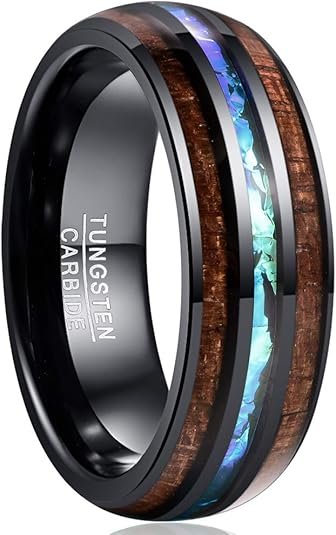
So it shouldn’t be a surprise for anyone that Koa rings, watches, pens and bracelets are among its most popular product offerings: they tend to be light yet durable, sentimental yet fashionable. Koa wedding rings are popular among couples to express strength and affiliation for nature.
Specialty Uses
Koa is also used for:
- Decorative boxes and bowls
- Knife handles and gunstocks
- Veneers for luxury interiors
Common Applications of Koa Wood
| Application | Key Benefits | Example Products |
| Furniture | Strength & beauty | Tables, cabinets |
| Instruments | Warm tone | Guitars, ukuleles |
| Decor | Figured grain | Bowls, veneers |
| Jewelry | Lightweight & durable | Rings, bracelets |
| Specialty | Shock resistance | Gunstocks, carvings |
Why Koa Wood Is So Expensive
Koa’s price reflects its reality.
It grows only in Hawaii, forests were heavily reduced in the past, and trees take decades to mature. On top of that, only a small percentage of harvested trees produce highly figured wood.
Premium curly Koa can cost hundreds of dollars per board foot, especially old-growth material.
Sustainability and Responsible Sourcing
Only 10–20% of original Koa forests remain usable today. Most legal supply comes from the Big Island under strict permits.
Ethical sources focus on:
- Selective harvesting
- Replanting seedlings
- Using fallen or dead trees
Always buy from sellers who can verify Hawaiian origin and legal sourcing.
Caring for Koa Wood
Koa is easy to maintain with basic care.
- Dust regularly with a soft cloth
- Avoid direct sunlight for long periods
- Keep indoor humidity between 40–60%
Oil finishes bring out the grain, while lacquer offers better protection for heavy-use items like tables.
How to Identify Genuine Koa Wood
Authentic Koa shows:
- Golden to reddish-brown tones
- Interlocking or curly grain
- Hawaiian origin (this is critical)
Under UV light, real Koa heartwood often glows slightly. When in doubt, buy from trusted Hawaiian wood specialists.
The Future of Koa Wood
Demand for Koa continues to rise while supply remains limited. Sustainable plantations are growing, but these trees will take decades to mature.
Because of this balance, well-made Koa items often increase in value over time, especially instruments and fine furniture.
Frequently Asked Questions
Is Koa wood rare?
Yes. It grows only in Hawaii and is harvested in limited amounts.
Is Koa wood sustainable?
Yes, when sourced responsibly from legal and regenerative forestry operations.
Does Koa darken with age?
Yes. Exposure to light deepens its color and adds character.
Can Koa be used outdoors?
Only with heavy sealing. It performs best indoors.
How does Koa compare to mahogany?
Koa is rarer, more stable, and often more visually dramatic, though less rot-resistant.
Final Thoughts: A Living Hawaiian Legacy
Hawaiian Koa is more than just a material – it’s a living story. Each curl in the grain is an echo of the land, climate and culture that formed it. From ancient canoes to contemporary guitars, Koa embodies the dreams of Hawaii.
Owning Koa means owning a piece of history, crafted with respect for nature and tradition. As forests are protected and demand grows, this sacred warrior wood will only become more meaningful with time.