
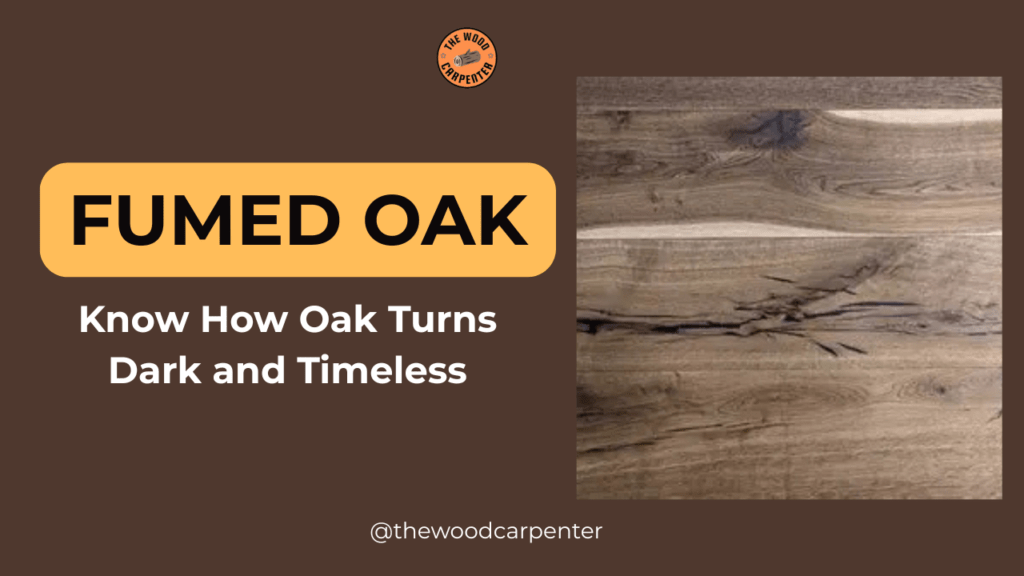
The first time many people see real fumed oak, they stop and stare. The color is deep, rich, and calm. It looks old, strong, and expensive, yet nothing is painted on the surface. The darkness comes from inside the wood itself.
Fumed oak is not stained. It is not dyed. It is oak wood that has been changed by a natural chemical reaction. Because of this, the color feels alive and grows more beautiful as the years pass. This is why fumed oak has been loved for centuries and still feels special today.
What Exactly Is Fumed Oak?
Fumed oak is oak wood that has been darkened using ammonia vapors. Oak contains natural tannins, the same substance found in tea leaves and wine barrels. When ammonia fumes surround oak, those tannins react and permanently darken the wood.
No liquid ammonia is brushed onto the surface. The wood simply sits in a sealed space filled with ammonia vapor. The reaction happens slowly and evenly, reaching deep into the wood fibers. Because of this, sanding later does not remove the color the way sanding removes stain.
This method was made famous in the early 1900s during the Arts and Crafts movement, especially by furniture maker Gustav Stickley.
Craftsmen noticed that old barn wood darkened naturally over time due to ammonia from animals. What began as an accident became a respected woodworking technique.
Why Fumed Oak Looks So Different
The beauty of fumed oak comes from depth. The color is not flat. Light moves across the surface and brings out grain patterns in a way stains cannot copy.
White oak usually turns deep brown, chocolate, or almost black. Red oak darkens too, but often shows green or olive tones. This is normal and part of fumed oak’s character. Boards from the same tree may look slightly different because tannin levels change naturally.
Heat and time matter. Short exposure creates soft brown tones. Long exposure creates dramatic dark finishes. Warmer environments push the color warmer and redder, while cooler conditions lean green.
Even after the process is finished, fumed oak continues to improve slowly with age and light.
Grain, Strength, and Feel
Fuming does not weaken oak. The hardness stays the same. White oak keeps its strong Janka rating of around 1290, making it suitable for floors, tables, and cabinets.
The grain becomes more visible, not less. Quarter-sawn oak shows bold ray flecks that shine against the dark background. Plain-sawn boards show flowing wave patterns that feel organic and rich.
The surface stays smooth, solid, and strong. There is no paint layer to chip and no stain to wear off unevenly.
Fumed Oak vs Plain Oak
| Trait | Fumed Oak | Plain Oak |
| Color | Dark brown to near-black | Light gold or pink |
| Grain Visibility | Very high | Moderate |
| Color Depth | Goes deep into wood | Surface only if stained |
| Durability | Same as oak | Same |
| Aging | Improves with time | Changes slowly |
| UV Stability | Excellent | Even fading |
How the Fuming Process Works
Oak is first dried properly, usually to about 6–8% moisture. Clean, sanded boards are placed in a sealed chamber or tent. Containers of ammonia are placed inside, but the liquid never touches the wood.
The space is sealed so ammonia vapors can move freely around every surface. Over time, the reaction darkens the wood naturally.
Most medium fuming takes about 48 hours. Deeper, darker results may take three days or more. Afterward, the wood is aired out completely until the smell disappears. Once neutralized, the wood is ready to finish.
Large factories use controlled chambers for consistency. Small workshops use tents. Skilled makers sometimes fume in stages to create layered depth.
Because ammonia is dangerous, this process is best done by professionals or very experienced woodworkers.
Best Uses for Fumed Oak Today
Fumed oak works beautifully in homes because its dark tone hides dirt and wear better than light woods.
Floors are one of its most popular uses. Wide planks feel bold and calm at the same time, especially when paired with white or neutral walls.
Tables, kitchen islands, cabinets, and stair parts benefit from its strength and rich look. Veneered panels are used for feature walls and luxury interiors. In humid regions, engineered fumed oak performs well when properly sealed.
Fumed oak also pairs well with brass, black metal, leather, stone, and concrete, making it popular in both classic and modern spaces.
Fumed Oak Compared to Other Dark Woods
| Wood Type | Process | Color Stability | Cost (per sq ft) | Maintenance |
| Fumed Oak | Ammonia vapor | Excellent | $8–15 | Oil yearly |
| Smoked Oak | Light fumes or smoke | Good | $6–12 | Similar |
| Ebonized Oak | Dye or chemicals | Fair | $5–10 | Higher |
| Wenge | Natural dark wood | Very high | $12–20 | Low |
| Ebony | Natural | Extreme | $30+ | Minimal |
Fumed oak offers the look of rare dark woods at a much more reasonable price.
Finishing Fumed Oak
Clear finishes work best. Oils like tung oil or hardwax oils deepen the color and keep the natural feel. Shellac adds warmth and was traditionally used in historic furniture.
Water-based finishes protect without yellowing, making them ideal for floors and tables. Heavy dark stains are unnecessary and usually hide the beauty created by fuming.
Once finished, fumed oak is stable, safe, and long-lasting.
Care and Maintenance
Daily care is simple. Sweep or dust regularly. Use a damp mop, not soaking wet. Avoid harsh cleaners, especially anything containing ammonia.
An oil-finished counter deserves a light freshening up once a year. The color runs through the wood so it is forgiving of small scratches that blend in.
Maintain indoor humidity at 40-60% in order to decrease movement, especially with fluctuation of temperature and humidity.
Pros and Cons of Fumed Oak
| Pros | Cons |
| Deep, natural color | Costs more than stained oak |
| Ages beautifully | Board color varies naturally |
| Grain stays clear | Not ideal for glossy modern looks |
| Eco-friendly process | Indoor use recommended |
Common Questions About Fumed Oak
What is fumed oak?
Oak wood darkened by ammonia vapor reacting with natural tannins.
Does fuming weaken the wood?
No. Strength stays the same and may feel slightly harder.
Is fumed oak better than stained oak?
It lasts longer, looks deeper, and wears more naturally.
Can fumed oak be sanded and refinished?
Yes. The color goes deep, so sanding does not remove it completely.
Is fumed oak safe for kitchens?
Yes, when sealed with proper finishes.
Why does some fumed oak look green?
That tone comes from the tannin reaction and softens over time.
Why Fumed Oak Still Matters
Fumed oak is not fast or artificial. It respects time, material, and tradition. The same chemical reaction used over a hundred years ago still creates beauty today.
Unlike other surface treatments, fumed oak only gets better with age. Scratches do not ruin it. Light does not destroy it. It just manifests in its place, cool and confident.
To choose fumed oak is to choose wood that narrates its history softly, the kind of narrative that improves the longer you live with it.