
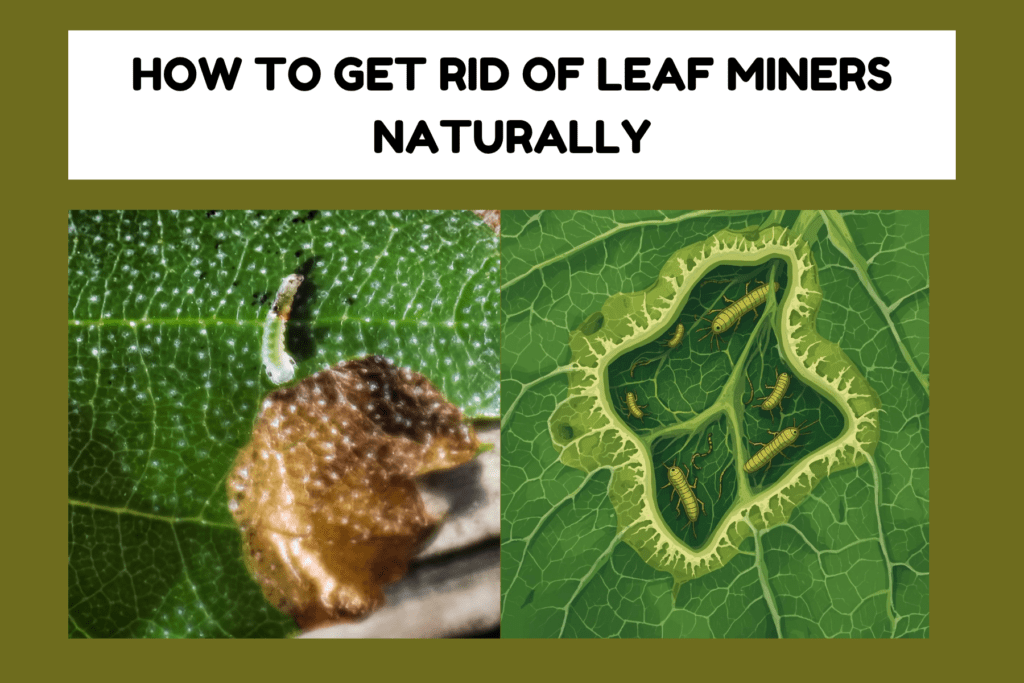
If you’ve ever stepped into your garden in the early morning, coffee in one hand and hose in the other, only to see zig-zag trails scribbled across your plant leaves, welcome to the club. Those squiggly white lines appear as if someone slithered a itty bitty pencil under your leaves. That “someone” is a leaf miner, and once you see their handiwork, it’s hard to unsee.
The good news? Harsh chemicals, expensive sprays and a degree in entomology are not required to control them. With the right natural defenses — many of which you can try today — you can stop leaf miners, save your plants and reclaim your garden’s good health.
Here, we’re going to reveal how leaf miners function and how to recognize them, but most importantly, we’ll go into detail as to how you can naturally eliminate these pests.
What Are Leaf Miners?
Leaf miners aren’t a single insect — they’re actually larvae of various pests such as:
- Flies (most common in vegetable gardens)
- Moths
- Sawflies
- Beetles
These tiny larvae tunnel inside the leaves, which is why you see winding trails. Since they hide between the layers of the leaf, spraying the leaf surface alone often doesn’t reach them.
But don’t worry. Natural solutions do work — if you use the right ones.
Also read:
What to Know About Black Carpet Beetles: Identification, Damage, and Control
Powderpost Beetles: How to Spot the Damage Early!
Wood-Boring Beetles: Identification, Damage, and Control
How to Tell If Your Plant Has Leaf Miners
When leaf miner damage first appears, you’ll notice:
✔ White or light-colored squiggly lines
These are the tunnels they create while eating the leaf tissue.
✔ Blister-like patches
Sometimes the damage looks like translucent bubbles.
✔ Small black dots inside the trail
Yep — that’s frass (larvae poop).
✔ Leaves curling or looking thin
Severe infestations weaken the plant.
✔ Stunted growth on young plants
Especially on tender leaves like spinach, chard, beets, and citrus.
If you gently tear open a fresh trail, you may even spot the tiny worm inside.
Plants Leaf Miners Attack Most Often
While almost any plant can get leaf miners, they especially love:
- Spinach
- Swiss chard
- Beets
- Tomato leaves
- Peppers
- Beans
- Cucumbers
- Citrus trees
- Ornamentals like columbine
If you grow leafy greens, you’ve probably already met these pests.
How to Get Rid of Leaf Miners Naturally (Effective, Proven Methods)
Now let’s dig into the core: natural methods that actually work. Think of this list as your Garden First-Aid Kit for leaf miner problems.
1. Remove and Destroy Affected Leaves (Simple but Powerful)
This is often the fastest and most effective method, especially early in the infestation.
How to do it:
- Identify fresh, active leaf miner trails.
- Pinch off the entire leaf.
- Do NOT compost these leaves — toss or burn them.
Why it works:
Removing the larvae prevents them from maturing and laying more eggs.
Personal tip:
I keep a small bucket with me on morning garden walks. Anything that looks suspicious gets clipped immediately. It keeps infestations from exploding.
2. Use Neem Oil (Best All-Around Natural Treatment)
Neem oil doesn’t kill larvae inside the leaf, but it stops adult females from laying eggs.
How to use:
Mix:
- 2 teaspoons neem oil
- 1 teaspoon liquid soap
- 1 quart warm water
Spray:
- On top and bottom of leaves
- In the evening (to avoid sunburn)
- Every 7 days until the problem stops
Why it works:
Neem messes with insect hormone cycles — it makes adult leaf miners unable to reproduce.
3. Sticky Yellow Traps (Stops Adult Leaf Miner Flies)
Leaf miners usually begin as small flies that land and lay eggs under leaves.
What to do:
Hang yellow sticky traps at plant height in your garden.
Why it works:
Adult leaf miner flies are strongly attracted to yellow — the traps catch them before they lay eggs.
This works especially well around citrus trees and greenhouse plants.
4. Float Row Covers (Prevention at Its Best)
If you grow leafy greens like spinach, chard, or beets, row covers are a game-changer.
How to use:
- Install lightweight fabric covers over plants immediately after planting.
- Keep edges sealed with soil or stones.
Why it works:
Row covers act like a physical shield that stops leaf miner flies from laying eggs on leaves.
Once leaf miners are already inside the leaves, covers won’t help — but they prevent new infestations.
5. Squish the Larvae Inside the Leaf (Yes, It Works!)
This sounds weird, but many gardeners swear by it — and I’m one of them.
How to do it:
Run your thumb and finger along the leaf trail, pressing lightly.
You’ll feel a tiny bump (the larva). Press to squish it.
Why it works:
You kill the larva without removing the entire leaf.
Helpful for young plants that need every leaf.
6. Introduce Beneficial Insects (Nature’s Pest Control Team)
Some tiny wasps — harmless to humans — feed exclusively on leaf miner larvae.
The best natural predators:
- Diglyphus isaea
- Dacnusa sibirica
These mini-wasps don’t sting humans. They only target leaf miners.
Why it works:
They parasitize the larvae, breaking the life cycle completely.
You can buy these beneficial insects online and release them in your garden.
Also read:
Garden Pests: Spot, Prevent & Control Naturally
Ultimate Guide to Home Gardening: Everything You must know
7. Use Homemade Natural Sprays
While sprays can’t reach larvae inside leaves, they stop new eggs from being laid.
Best options:
- Garlic spray
- Pepper spray
- Neem spray
- Castile soap spray
These are gentle, garden-safe, and effective for prevention.
8. Don’t Over-Fertilize Your Plants
Leaf miners love soft, lush growth — especially nitrogen-rich leaves.
Tip:
Use slow-release fertilizers or compost instead of heavy instant fertilizers.
This keeps plants healthy but less appealing to pests.
9. Grow Decoy Plants (Trap Cropping)
Leaf miners love lamb’s quarters, dock, and pigweed.
If you leave a few of these weeds at the edge of your garden, leaf miners may target them instead of your vegetables.
Just remember to remove the decoy leaves before larvae mature.
10. Choose Resistant Varieties
Some plant varieties naturally resist leaf miners better than others.
For example:
- Certain beet and chard varieties have tougher leaves.
- Some spinach cultivars are less attractive to leaf miners.
Check seed catalogs for “leaf miner-resistant” labels.
Do Leaf Miners Kill Plants?
Usually no. Leaf miners rarely kill a mature plant, but they can:
- Reduce photosynthesis
- Slow growth
- Ruin crop appearance
- Weaken young plants
- Make leafy greens unsellable/unusable
If you grow vegetables to eat, you definitely want to control them.
How Long Does It Take to Get Rid of Leaf Miners ?
With consistent natural treatments:
- Light infestations: 1–2 weeks
- Medium infestations: 3–4 weeks
- Heavy infestations: ongoing seasonal management
FAQs About Leaf Miner Control (Simple, Helpful Answers)
1. Can you eat leaves damaged by leaf miners?
Yes — the damage is cosmetic. But most people prefer not to.
2. Will leaf miners spread to other plants?
Absolutely. Adults fly from leaf to leaf laying eggs.
3. Does neem oil kill leaf miners inside the leaf?
No, but it prevents new eggs from being laid.
4. What is the most effective natural method?
A combination of:
- Removing affected leaves
- Neem oil
- Sticky traps
- Row covers
5. Are leaf miners active year-round?
In warm climates, yes. In colder regions, they peak in spring and early summer.
6. Do coffee grounds repel leaf miners?
No. That’s a garden myth.
7. Can dish soap kill leaf miners?
Soap kills soft-bodied insects, but not larvae inside leaves.
Final Thoughts: You Can Beat Leaf Miners Naturally
Leaf miners are itty-bitty, but they can be seriously irritating. The good news is that you don’t need chemicals to win this battle. With some consistent, natural techniques and a bit of patience thrown in, your garden can recover gloriously.
If you begin to see tracks, take action early. Monitor your plants closely, pluck affected leaves, and apply neem oil frequently; allow beneficial insects to support you as well.
You’ll be walking through your garden again soon enough — coffee in hand — feeling proud of how healthy and vibrant everything looks.