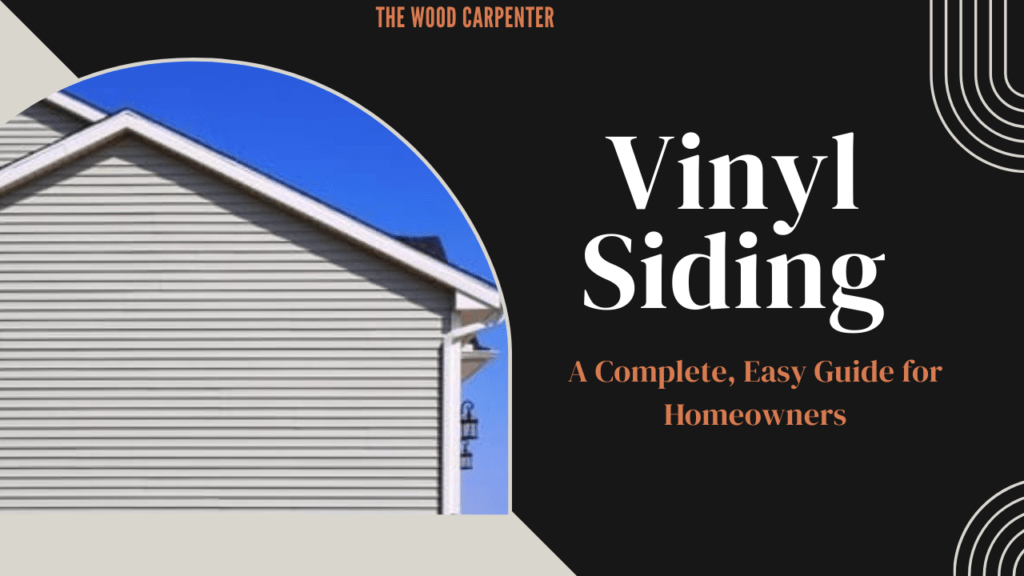
Vinyl Siding is quickly becoming one of the most popular siding options available for homeowners around the world. The walls of a house are sheltered from rain, heat, wind, snow with little maintenance and keep the houses looking clean and modern in very low cost and effort.
It’s not only how vinyl siding looks that makes it special, but how much easier it can make home ownership. No need to repaint, no boards rotting out or being taken down by termites and no worrying each year about making repairs.
Made from strong PVC material, vinyl siding panels snap together and hang loosely on the wall so they can move when temperatures change. It’s this clever design that means vinyl siding performs as well in snowy, cold areas as it does when it gets hot and humid.
Whether you are just looking to give the outside of your home a facelift, or want a whole new look, vinyl siding can help deliver bold style with low maintenance, and big savings without excessive drama.
What Vinyl Siding Really Is
Vinyl siding is made from polyvinyl chloride, commonly known as PVC. The same base material is used in plumbing pipes, but siding-grade vinyl is specially engineered to handle sunlight, weather, and physical impact.
During manufacturing, color is mixed through the entire panel, not painted on top. This means it never peels or flakes, and small scratches are hardly noticeable.
Panels are formed in different shapes to look like traditional wood boards, shakes, or vertical panels.
Each piece locks into the one below it and hangs from nails placed in long slots. These slots allow the siding to expand in heat and contract in cold without cracking or bending.
Modern vinyl siding usually measures between 0.040 and 0.046 inches thick, while premium options go even thicker. Though it looks thin, its flexibility and layered design make it very tough once installed properly.
Popular Styles and Profiles
Vinyl siding comes in many styles, so it can match almost any home design.
Horizontal lap siding is the most common. It provides a clean, traditional look and suits most homes.
Dutch lap siding has a more deeper grooves, so it casts more shadow and the house looks richer and more traditional.
Board-and-batten siding is vertical in design and commonly found on farmhouse and modern-style houses.
Shake and shingle styles copy the look of cedar wood without the high cost or upkeep. These styles can be used on gables and upper walls to create texture and character.
Some types of vinyl siding have foam insulation on the back. This is great for energy efficiency, as well as cuts down on outside noise.
Panels come in many widths and colors, from soft neutral shades to bold modern tones. Many homeowners mix styles, such as using lap siding on main walls and shakes on gables, to create a custom look without extra expense.
How Durable Vinyl Siding Really Is
Vinyl Siding is made to Last. Standard vinyl can withstand strong wind, and premium insulated vinyl has been tested to resist winds as great as 150 mph when it is properly installed.
It does not rot, rust, or attract insects. Moisture does not damage it the way it damages wood.
Good quality vinyl has UV protection to slow down fading and many manufacturers offer long fade warranties.
In cold weather, vinyl stays flexible and resists cracking unless hit very hard. In hot weather, proper installation prevents warping by allowing room for expansion.
In actual homes, vinyl siding commonly endures for 30 to 50 years, and many houses remain relatively beautiful even after the warranty period ends.
Installation Basics You Should Know
Vinyl siding installation starts with proper wall preparation. Old siding is removed or flattened, damaged wood is repaired, and a weather barrier is installed to protect against moisture.
Starter strips are leveled carefully because every panel above depends on that first line being straight.
Panels are nailed loosely every 12 to 16 inches, never tight. This small detail prevents buckling later. Trim pieces like J-channels and corner posts frame windows, doors, and edges for a clean finish.
Professionals can side an average home in just a few days. Skilled DIY homeowners can also install vinyl siding, saving money if they follow spacing and nailing rules carefully.
2026 Cost and Budget Overview
Vinyl siding remains one of the most budget-friendly exterior options.
Economy vinyl siding usually costs between $3.50 and $5.50 per square foot installed.
Mid-range vinyl siding costs around $5 to $8 per square foot.
Insulated vinyl siding typically ranges from $7 to $13 per square foot.
Labor makes up about half of the total cost. Installing during slower seasons or combining the project with gutter work can help lower the price.
Compared to wood or fiber cement siding, vinyl costs much less upfront and saves money over time because it never needs painting.
Vinyl Siding vs Other Siding Options
| Feature | Vinyl Siding | Fiber Cement | Wood Siding |
| Installed Cost / sq ft | $3.50–13 | $10–18 | $12–28 |
| Maintenance | Wash yearly | Paint every 10 years | Paint or stain every 3–5 years |
| Lifespan | 30–50 years | 50+ years | 20–40 years |
| Weight | Very light | Heavy | Medium |
| Energy Efficiency | R-3 to R-4 insulated | Moderate | Low unless insulated |
| Fire Rating | Class B | Class A | Poor unless treated |
Vinyl wins for affordability and low effort. Fiber cement wins for toughness. Wood wins for natural beauty but needs the most care.
Easy Maintenance Tips
Vinyl siding maintenance is simple. Once a year, rinse it with a garden hose. For dirt or mildew, use mild soap and a soft brush. Pressure washers should stay under 1500 PSI to avoid pushing water behind panels.
Trim plants back so branches do not rub against siding. Check panels yearly for cracks or loose sections. Small problems are easy and inexpensive to fix when caught early.
Common Problems and How to Avoid Them
Most vinyl siding problems come from poor installation. Nailing panels too tight causes warping. Missing ventilation can trap moisture. Cheap thin panels fade faster and crack more easily.
Choosing thicker siding, proper house wrap, and experienced installers avoids nearly all issues. Good vinyl siding should never look wavy or loose.
Environmental and Energy Benefits
Vinyl siding produced today often incorporates recycled material, which minimizes waste. Insulated vinyl siding can lower energy use by sealing air leaks and enhancing wall insulation. Over time, this lowers heating and cooling costs and reduces carbon emissions.
Today, many brands are in compliance with green building standards and are even eligible for energy-efficiency incentives.
Why Vinyl Siding Makes Sense in 2026
Vinyl siding offers a rare combination of low cost, long life, and almost no maintenance. It guards your house, enhances curb appeal and can save you money in the long run.
Vinyl siding today looks better than ever, and is no longer creaky or unfashionable. Vinyl siding is one of the most durable, cost effective and least maintenance exteriors on the market.
Frequently Asked Questions
Can vinyl siding be installed over brick?
Yes, furring strips are added to create a flat surface and air gap.
Does vinyl siding crack in hail?
Thicker panels resist most hail damage. Premium brands include impact warranties.
Is vinyl siding paintable?
Some types are, but factory colors last much longer and require no upkeep.
Does vinyl siding increase home value?
Yes. It improves curb appeal and often returns 60–80% of its cost at resale.
Can vinyl siding be installed in winter?
Yes, but panels should be kept warm and installed carefully above freezing temperatures.