
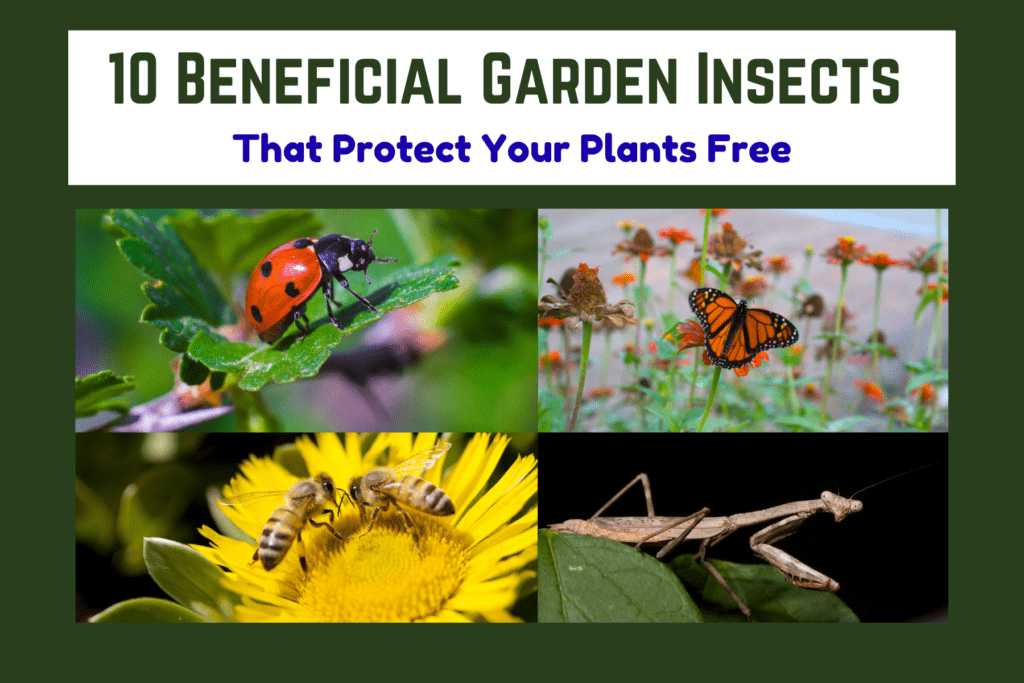
Beneficial Garden Insects: But I’ll never forget the first time I learned what beneficial insects were. I was a novice gardener then — eager, ignorant and armed with more enthusiasm than skill. I walked out one morning to find tiny green worms on my kale. In a moment of idiocy, I sprayed the plants with a store-bought pesticide.
Problem solved… or so I thought.
What I didn’t realize was that I’d also killed the ladybugs (and their hungry larvae) that were quietly patrolling my garden. A week later, I had an aphid infestation on my hands. That was the day I learned:
A healthy garden isn’t created by fighting nature…
It succeeds when you cooperate with nature.
Beneficial insects help minimize the use of pesticides, maintain balances of pest populations and contribute to pollination and soil health. They’re the tiny colleagues we never knew we had.
10 Beneficial Garden Insects
🐞 1. Ladybugs — The “Aphid Assassins” of the Garden
If beneficial insects had a celebrity spokesperson, then it would be the ladybug.
Ladybugs (also called lady beetles) are cute, pose no danger to humans, and are positively merciless against pests. A single adult ladybug can chow down on 50 aphids in a day, and their larvae — those alligator-looking little guys — eat even more.
Asian Beetle vs Ladybug: Who’s Who? Spot the Difference
What They Eat:
- Aphids
- Mealybugs
- Spider mites
- Whiteflies
How to Attract Ladybugs
- Plant: dill, fennel, yarrow, marigolds, and cosmos
- Avoid broad-spectrum chemical sprays
- Provide fresh water in shallow dishes with pebbles
Once ladybugs find a good food source, then they’ll stick around.
🦋 2. Butterflies — Beauty With a Purpose
Butterflies may not be the strongest pest fighters, but they are incredible pollinators. Their gentle landing and fluttering flight help transfer pollen across flowers, helping fruit and vegetable plants set fruit.
Plants That Bring Butterflies In
- Milkweed (for monarchs)
- Zinnias
- Coneflowers
- Black-eyed Susans
- Lavender
Why They Matter
In many U.S. regions, butterfly populations have declined dramatically due to habitat loss and pesticides. Your garden can be a safe haven.
🕷️ 3. Spiders — The Silent Pest Patrol
I know, I know…
Spiders freak a lot of people out. But in the garden, they are among the most effective natural pest control agents you’ll ever have.
Spiders trap:
- Mosquitoes
- Flies
- Beetles
- Moths
- Leafhoppers
They don’t harm plants.
They don’t chew leaves.
They don’t inject diseases.
They just quietly catch pests all day long in those delicate webs.
How to Encourage Spiders
- Leave a few natural hiding places (rock piles, logs)
- Avoid knocking down every web
- Keep a diverse plant environment
🐝 4. Bees — The Garden’s Hardest Workers
You can’t talk about beneficial insects without mentioning bees. They are essential for pollination—especially crops like tomatoes, cucumbers, zucchini, strawberries, apples, melons, and dozens more.
Types of Garden Bees
- Honeybees
- Bumblebees
- Carpenter bees
- Mason bees (great for fruit trees!)
Help Bees Thrive
- Plant native flowers
- Avoid pesticides
- Place bee houses for mason bees
- Leave a shallow water dish out
A garden without bees is like a kitchen without a stove—nothing can truly flourish.
🕷️ 5. Green Lacewings — The “Lion Babies” Every Garden Needs
Adult lacewings are gentle, but their larvae (nicknamed “aphid lions”) are ferocious pest eaters.
What Lacewing Larvae Devour
- Aphids
- Thrips
- Whiteflies
- Leafhopper nymphs
- Small caterpillars
How to Attract Lacewings
- Plant: sunflowers, dill, cosmos, daisies, and coreopsis
- Leave porch lights dim (lacewings love light but can be confused by strong bulbs)
Many organic gardeners even buy lacewing eggs online to release in their gardens.
Also read:
Ultimate Guide to Home Gardening: Everything You must know
🕷️ 6. Praying Mantises — The Garden Guardians
If garden insects had superheroes, praying mantises would be the caped crusaders.
They’re big, bold, and incredibly efficient hunters.
They Eat:
Pretty much anything smaller than them:
- Grasshoppers
- Beetles
- Caterpillars
- Moths
- Flies
Attracting Mantises
- Plant tall grasses
- Provide shrubs or perennials
- Avoid chemical pesticides
Mantises don’t discriminate—sometimes they even eat beneficial insects—but overall, they keep pest populations in check.
🐞 7. Ground Beetles — Nighttime Protectors
These fast-moving beetles stay hidden during the day and come out at night to hunt.
What They Control
- Slugs
- Snails
- Cutworms
- Caterpillars
- Root maggots
How to Invite Them
- Mulch with wood chips or straw
- Add rocks, logs, or leaf piles for daytime shelter
- Avoid disturbing the soil too often
Ground beetles are especially helpful for vegetable gardens.
🪰 8. Hoverflies — The “Fake Bees” With Real Benefits
Hoverflies look like tiny bees but don’t sting. Their larvae are aphid-eating machines, while adults help pollinate flowers.
Signs Hoverflies Are in Your Garden
You’ll see them “hovering” in place like little helicopters.
Plants They Love
- Sweet alyssum
- Lavender
- Yarrow
- Dill
- Marigolds
If you want natural aphid removal, hoverflies are incredible allies.
Grow Peonies Easily: A Beginner’s Bloom Guide
🐝 9. Parasitic Wasps — The Pest Assassins
Don’t be fooled by the name. These tiny wasps aren’t dangerous to humans, but they are devastating to garden pests.
They lay eggs inside harmful insects, which keeps pest populations low.
They Target
- Tomato hornworms
- Cabbage worms
- Grubs
- Aphids
- Caterpillars
If you ever see a hornworm covered in tiny white cocoons—leave it! That hornworm is already being naturally controlled by parasitic wasps.
How to Identify Pest Damage on Leaves: A Friendly Guide
How to Grow an Organic, Pest-Resistant Garden
🐜 10. Ants — The Most Misunderstood Garden Helpers
Not all ants are troublemakers. Many ant species help:
- Break down organic matter
- Aerate soil
- Hunt small pests
Just keep them away from aphids, because some ant species protect them for their sugary honeydew.
🌼 How to Create a Garden That Attracts Good Bugs
You don’t need anything fancy. A handful of simple habits will make your garden irresistible to beneficial insects.
1. Plant a Variety of Flowers
Especially those with small clusters of blooms.
2. Avoid Chemical Pesticides
They kill the good and the bad insects with it.
3. Provide Water
Even tiny insects get thirsty—shallow dishes with pebbles work.
4. Add Shelter
Rocks, logs, mulch, and dense plants create safe hiding spots.
5. Grow “Umbel Flowers”
Plants like dill, fennel, and cilantro attract predators like lacewings and hoverflies.
The more diverse your garden, the healthier the ecosystem.
❓ FAQ: Beneficial Garden Insects
1. Are beneficial insects safe around children and pets?
Yes! The vast majority of beneficial insects don’t bite or sting and pose absolutely no threat.
2. Do beneficial insects replace pesticides completely?
With a well-balanced garden, yes — most pests are kept in check by nature.
3. How long does it take for beneficial insects to work?
Some begin hunting right away (ladybugs, for example), some take a day or two to catch up.
4. Can I buy beneficial insects online?
Absolutely. Ladybugs, lacewings, and praying mantis eggs are commonly sold.
5. Will beneficial insects survive in small backyard gardens?
Yes — even small gardens, patios and container gardens stand to benefit from them.
🌿 Final Thoughts
A flourishing garden is not just one about plants, it is one that comprises the mini ecosystem around them. Beneficial insects are nature’s unsung heroes that handle garden duties so the rest of us don’t have to use chemicals.
The next time you notice some activity in your garden, don’t immediately kill it. Take a closer look. It could be one of your garden’s best friends, too.