
Last Updated on November 20, 2025 by Sam Wood Worker
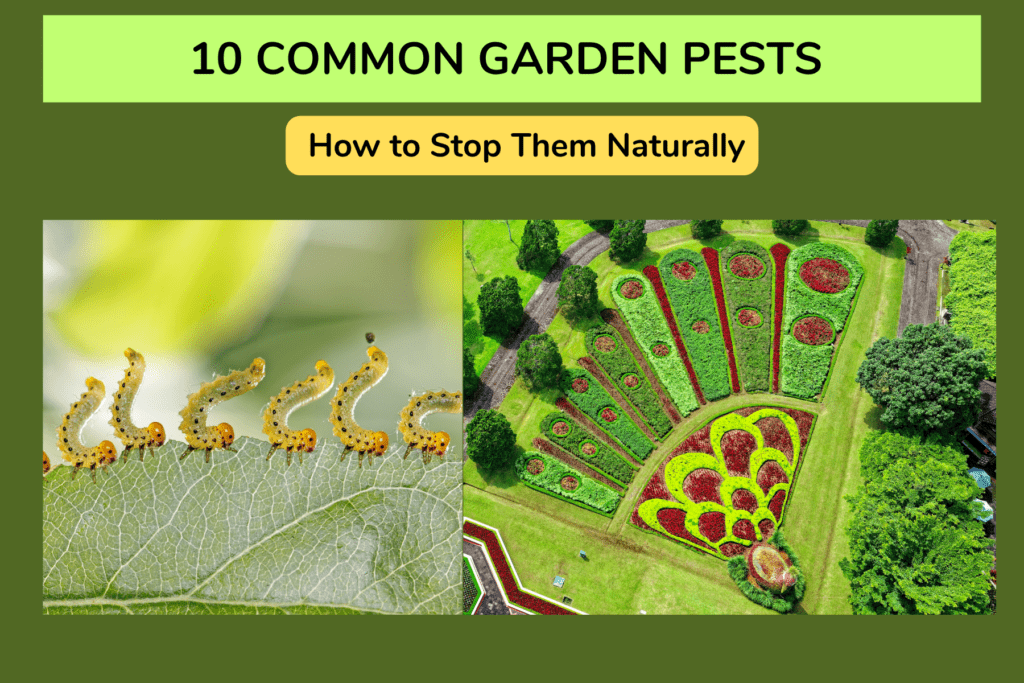
If you’ve ever gone out into your garden one morning—coffee cup nestled in hand, sunlight warming your back —only to find half of your favorite plant has been chewed down during the night… well, you’re not alone. Every gardener — whether of three pots on a balcony or a full backyard garden plot — eventually faces one of the oldest struggles in nature: plants vs. pests.
The good news?
You don’t have to turn to toxic chemicals to rescue your garden. Mother Nature provides ample gentle, safe and often surprisingly effective techniques to deal with unwanted bugs.
Today, I’ll step you through 10 Common garden pests you might encounter and how to control these little critters naturally — with items that are probably already in your house.
Get ready; Your garden is about to get its power back.
10 Common Garden Pests
🌿 1. Aphids — The Tiny Sap Suckers
When I first encountered aphids, I ignored it because I figured the plant had dust on it. But dust doesn’t usually move.
Aphids form a menacing cluster on tender stems and leaves of your plants, extract juice and curling or yellowing the foliage let them sticky with honeydew.
How to Stop Them Naturally
- Blast Them with Water: A strong force of water from your hose will knock them off.
- Introduce Ladybugs: Ladybugs can eat up to 50 aphids per day. They’re your garden heroes.
- Use a Mild Soap Spray:
Mix 1 tablespoon liquid soap + l liter water. Spray directly on clusters.
🐛 2. Caterpillars — Leaf-Eating Machines
Caterpillars look innocent… until they turn your kale into lace.
You’ll know they’ve been visiting if you see large bites missing from leaves or little green droppings scattered on foliage.
How to Stop Them Naturally
- Handpick Them: Wear gloves and drop them into soapy water.
- Use Bacillus thuringiensis (Bt): A natural bacteria safe for humans and pets but deadly to caterpillars.
- Cover Plants with Netting: Particularly effective against cabbage worms and tomato hornworm.
🐞 3. Japanese Beetles — The Metallic Menace
These shiny green-and-copper beetles are beautiful—until they land on your roses.
Japanese beetles skeletonize leaves and attack nearly 300 types of plants.
Natural Solutions
- Pick Them in the Morning: They’re sluggish and sleepy at sunrise.
- Use Neem Oil: Sprinkle or spray; it interrupts their life cycle.
- Plant Garlic, Rue, or Chrysanthemums Nearby: They have insect repelling properties.
Powderpost Beetles: How to Spot the Damage Early!
🐌 4. Slugs & Snails — Nighttime Garden Raiders
If you’ve ever walked outside and found slimy trails shining on leaves, you’ve had a visit from slugs or snails.
They chew big holes in tender plants — lettuce and hostas are favorites.
Stop Them the Natural Way
- Beer Traps: They crawl in and drown (sorry, but it works).
- Copper Barriers: They do not like crossing a copper strips.
- Handpick at Night: Use a flashlight— it’s like treasure hunting.
🕷️ 5. Spider Mites — The Invisible Web-Spinners
These pests are tiny. Like specks of sand. But the damage is not tiny at all.
Leaves become yellow, streaked and dusty. Webbing appears underneath. Natural Fixes
- Water Spray: Mites hate moisture.
- Neem Oil: An old natural remedy.
- Release Predatory Mites: Yep, the good mites eat the bad mites. Nature is wild.
Also read:
Garden Pests: Spot, Prevent & Control Naturally
🐜 6. Ants — The Unwanted Garden Farmers
Ants aren’t always the main troublemakers—they “farm” aphids for their sugary honeydew.
So if you see ants marching on your plants, check for aphids hiding somewhere.
Natural Control
- Diatomaceous Earth Around Plants: Cuts ants’ bodies—effective and natural.
- Remove Aphids: Break the cycle at the source.
- Use Cinnamon Powder: Sprinkle where you see ant trails.
🐞 7. Whiteflies — Tiny Moths That Multiply Fast
Shake a leaf and a cloud of tiny white bugs flies up? Yep, whiteflies.
They suck plant sap and spread diseases fast.
Natural Solutions
- Yellow Sticky Traps: They love the color yellow.
- Soap + Water Spray: Works great on their soft bodies.
- Introduce Lacewings: Their larvae feast on whiteflies.
Wasp vs Hornet: Which Is More Dangerous? The Answer Will Surprise You!
🌱 8. Leaf Miners — The Underground Leaf Artists
If your leaves look like someone scribbled white squiggly lines on them, leaf miners are at work.
The larvae tunnel through the inside of the leaf.
Natural Fixes
- Remove Affected Leaves: Prevent spreading.
- Use Neem Oil: Stops larvae from maturing.
- Plant Trap Crops: Spinach often attracts them—protect other veggies by sacrificing a few leaves.
How to Get Rid of Leaf Miners Naturally – Complete Guide
🪲 9. Squash Bugs — The Zappers of Summer Crops
If you grow zucchini, pumpkins, or squash, you might meet these flat, grayish-brown shield-shaped pests.
They suck sap and cause vines to wilt and collapse.
Natural Ways to Control
- Destroy Egg Clusters: Look under leaves for copper-colored eggs.
- Place Wooden Boards Nearby: They hide under them—then you can remove them in the morning.
- Use Floating Row Covers: Block them during early growth.
Ultimate Guide to Home Gardening: Everything You must know
🐝 10. Hornworms — The Big, Green Giants
The first time I saw a hornworm on my tomato plant, I thought it was a part of the plant.
These pests are HUGE—sometimes as long as your finger.
They devour tomato, pepper, and potato plants overnight.
Natural Solutions
- Handpick Them: Surprisingly easy due to their size.
- Invite Parasitic Wasps: If you see white rice-like cocoons on a hornworm—leave it. It’s already infected.
- Use Bt (Bacillus thuringiensis): Works especially well for young hornworms.
🌼 Natural Pest Control: A Few Extra Tips that Always Help
After experiencing years of trial and error in my home garden, I now realize that “pest control” is actually plant health.
Here are small habits that make a big difference:
- Water early in the morning—not at night.
- Do not overcrowd plants as it reduces humidity and increases the likelihood of disease.
- Keep the soil rich in organic matter.
- Grow pest-repelling herbs like mint, basil, rosemary, and marigolds.
- Rotate crops every year to avoid pest build-up.
These simple habits prevent up to 70% of pest problems before they even begin.
❓ FAQ: Natural Pest Control for Home Gardens
1. Are natural pest control methods as effective as chemical pesticides?
Yes—when used consistently. Natural methods are a little bit slower, are safer for people, pets and pollinators.
2. Can I mix different natural sprays?
Don’t blend unless a note, that it is safe. Too many ingredients can be harmful to your plants.
3. Are neem oil and insecticidal soap safe for vegetables?
Absolutely. Just wash your produce before eating.
4. What time of day should I spray plants?
Spray in the early morning or late evening to prevent leaf burn.
5. Will natural pest control kill beneficial insects too?
Most natural methods are gentle. Still, avoid spraying flowers where bees land.
6. How often should I apply natural treatments?
Usually once a week or after rain—but it depends on the pest and method.
🌿 Final Thoughts
Your garden doesn’t need chemicals to thrive.
With a little observation, some simple DIY tricks, and a bit of patience, you can keep pests under control the natural, safe, eco-friendly way.
And honestly?
There’s something incredibly satisfying about outsmarting pests using nothing but simple tools and a little garden wisdom.