
Last Updated on June 8, 2026 by Sam Wood Worker
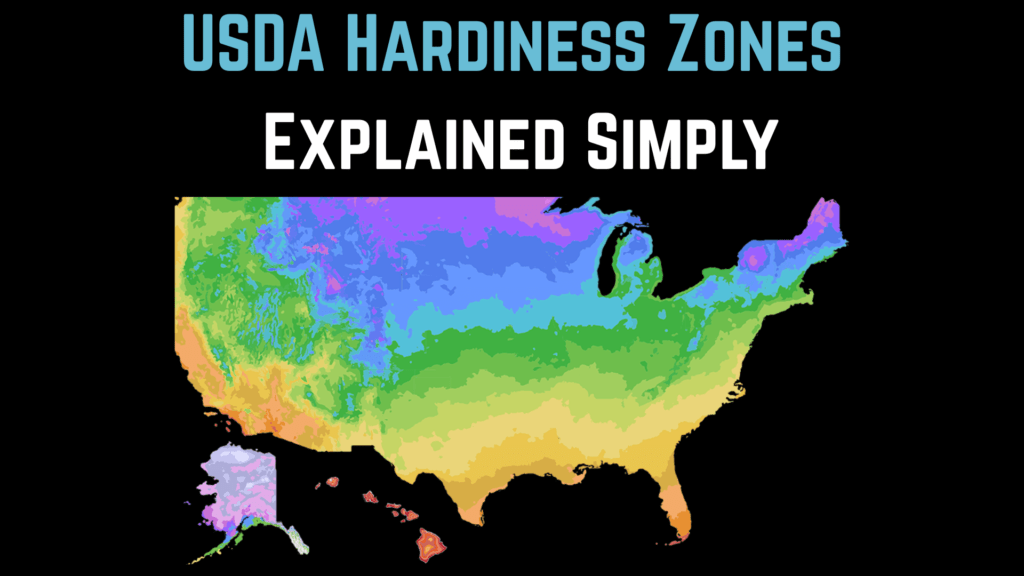
If you’ve ever bought a plant and wondered whether it will actually survive in your backyard, you’ve already brushed against one of the most important gardening tools in the United States — the USDA Hardiness Zone Map.
Even experienced gardeners check their zone before planting anything new. And if you’re new to gardening, understanding these zones can save you from wasted money, lost plants, and gardening heartbreak.
In this guide, I’m going to break down USDA hardiness zones in a simple, friendly way — the way a gardener would explain it over a cup of coffee. No confusing jargon. No robotic textbook-style paragraphs. Just real, helpful information that makes gardening easier and more enjoyable.
Let’s get started.
🌿 What Are USDA Hardiness Zones?
USDA Hardiness Zones are like a climate roadmap for gardeners. The U.S. Department of Agriculture created these zones to show the average annual minimum winter temperature of different areas across the country. In simpler words:
👉 Your hardiness zone tells you how cold it gets where you live — and what plants can survive that cold.
The map divides the U.S. into 13 zones, from Zone 1 (the coldest) to Zone 13 (the warmest). Each zone is broken into “a” and “b” sub-zones, showing even finer temperature differences.
For example:
- Zone 5a gets colder than Zone 5b.
- A plant labeled “Hardy to Zone 5” can safely grow in Zones 5, 6, 7, 8, 9, etc.
- But that same plant will not survive in Zones 4 or colder.
🌡️ Why Your Hardiness Zone Matters (More Than Most People Realize)
Hardiness zones aren’t just fun gardening trivia. They actually guide almost every decision you make as a gardener.
✔ 1. Selecting Plants That Won’t Die in Winter
If you’ve ever planted a tropical hibiscus in a cold state like Michigan, you probably learned the hard way.
Plants have limits. Cold-sensitive plants can literally freeze to death.
✔ 2. Planning Your Garden Layout
Some plants need shelter from harsh winter winds. Others tolerate cold like champions. Knowing your zone helps you decide where to place different plants.
✔ 3. Timing Planting and Harvesting
Zone 10 in Florida and Zone 4 in Minnesota have completely different planting schedules. Your zone helps determine:
- When to start seeds
- How long your growing season lasts
- When frost begins and ends
✔ 4. Avoiding Costly Garden Mistakes
Plants aren’t cheap! Choosing ones suited to your climate saves time, effort, and money.
🌍 Breakdown of USDA Hardiness Zones (Made Easy)
Let’s simplify the temperature ranges for each major zone:
| Zone | Temperature Range (°F) |
| Zone 1 | -60 to -50 |
| Zone 2 | -50 to -40 |
| Zone 3 | -40 to -30 |
| Zone 4 | -30 to -20 |
| Zone 5 | -20 to -10 |
| Zone 6 | -10 to 0 |
| Zone 7 | 0 to 10 |
| Zone 8 | 10 to 20 |
| Zone 9 | 20 to 30 |
| Zone 10 | 30 to 40 |
| Zone 11 | 40 to 50 |
| Zone 12 | 50 to 60 |
| Zone 13 | 60 to 70 |
Zones 12 and 13 are extremely warm and mostly include tropical regions — areas where frost is extremely rare.

🌱 Cold Hardiness vs. Heat Tolerance — Both Matter
A mistake many gardeners make is thinking the hardiness zone tells the full story.
It doesn’t.
Hardiness zones measure cold tolerance, NOT heat tolerance.
A plant may survive cold winters but struggle in scorching summers. That’s why gardeners also use:
🌞 AHS Heat Zones
These show how many “heat days” your area gets — days above 86°F (30°C), when many plants start feeling stressed.
🌵 Why You Need Both
Think of a lavender plant:
- It loves heat.
- It tolerates cold.
- But it hates humidity.
That’s where knowing your zone + your microclimate helps you avoid disappointments.
🏡 Microclimates: The Small Details That Change Everything
Even though the USDA map is incredibly detailed, your yard may behave differently from the broader zone.
You may live in Zone 7, but your garden may have pockets behaving like Zone 6 or Zone 8 because of:
- Brick walls that absorb heat
- Shade from tall trees
- Valleys that trap cold air
- Slopes that warm faster in spring
- Nearby water bodies that moderate temperature
This is why one side of your yard may support a plant that the other side kills off!
Some gardeners even intentionally create microclimates to grow plants that normally wouldn’t survive.
🌻 Choosing the Right Plants for Your Hardiness Zone
Now that you know what hardiness zones mean, the next step is choosing plants that thrive in your zone. Here’s a simple rule:
👉 Always choose plants hardy to your zone or colder.
If you live in:
- Zone 6 → plants hardy to Zones 6, 5, 4, 3, etc.
- Zone 9 → plants hardy to Zones 9, 8, 7, 6, etc.
Examples
✔ Cold Climate Zones (Zones 3–5)
Think Minnesota, Wisconsin, Montana
- Peonies
- Hostas
- Daylilies
- Spruce trees
- Hardy roses
✔ Moderate Zones (Zones 6–8)
Think Midwest, Mid-Atlantic, parts of the South
- Hydrangeas
- Coneflowers
- Lavender
- Ornamental grasses
- Maple trees
✔ Warm Zones (Zones 9–11)
Think Florida, Southern California, Texas coast
- Bougainvillea
- Hibiscus
- Citrus trees
- Bird of paradise
- Palms
🌾 How Climate Change Is Affecting Hardiness Zones
One important thing to understand is that the USDA updates its map as weather patterns shift. Many regions have warmed slightly over the past decades, meaning some areas have moved half a zone or even a full zone higher.
This doesn’t mean you should start planting tropical trees in Michigan — but it does explain why your grandmother remembers harsher winters than you do.
Gardeners today need to stay flexible and adapt to shifting climate patterns.
🌼 Tips to Garden More Successfully Using Hardiness Zones
Here’s how experienced gardeners use the zone map to their advantage:
✔ 1. Look for the “Hardy to Zone X” Label
Most plant tags list a zone rating — always check it before buying.
✔ 2. Protect Borderline Plants
If a plant is “just barely” hardy in your zone, use:
- Mulch
- Frost cloth
- Windbreaks
- South-facing walls
✔ 3. Avoid Impulse Buys
Those tropical plants look tempting, but if your zone is too cold, you’ll be replacing them every year.
✔ 4. Remember: Heat tolerance matters too
A plant that survives cold winters may still fail in extremely hot summers.
❓ FAQs: USDA Hardiness Zones
1. Are USDA hardiness zones enough for choosing plants?
Not always. They only describe cold tolerance. Heat tolerance, humidity, rainfall, and soil type also matter.
2. How do I find my exact hardiness zone?
Enter your ZIP code on the USDA Plant Hardiness Zone Map. It provides an updated, accurate zone for your location.
3. Can I grow plants outside my zone?
Yes — with effort. Tender plants can be grown:
- As annuals
- Indoors
- In containers you bring inside during winter
4. Why do some plants die even if they are hardy to my zone?
Other factors may be responsible:
- Poor drainage
- Soil type mismatch
- Heat stress
- Unexpected cold snaps
- Microclimate issues
5. Do zones change over time?
Yes. As climate patterns shift, updated maps reflect those changes.
🌟 Final Thoughts
Understanding your USDA Hardiness Zone is like having a cheat sheet for successful gardening. It tells you what will thrive, what might struggle, and what you should avoid planting altogether. Whether you’re a beginner or a seasoned gardener, knowing your zone saves you time, money, and frustration.
Gardening becomes far more rewarding when you work with your climate instead of fighting against it. And the best part? Once you know your zone, you’re already ahead of half the gardeners out there.