
Last Updated on August 14, 2026 by Sam Wood Worker
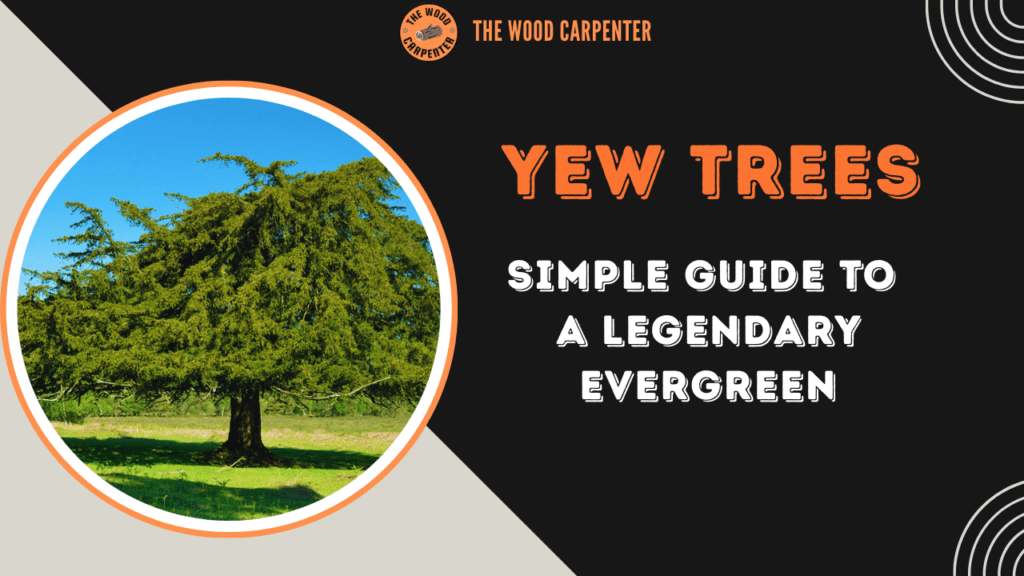
Have you ever seen a dark green bush or tree growing happily even in the deep shade of a garden? That is probably a yew tree. Yew trees belong to the Taxus family. People have been planting them and talking about them for thousands of years.
They grow slowly, stay green all year, and can make perfect hedges, privacy walls, or fancy shapes. Some parts of the yew tree are also used in important medicines. But you must be careful—yew trees are extremely poisonous to people, pets, and livestock.
Even though they come from many parts of the world, yews grow best in the USA in USDA Zones 4–7. They handle cold winters, shade, and city pollution well. Whether you plant one in Ohio, Virginia, or New England, a yew can be a strong and easy tree if you plant it correctly and prune it the right way.
This simple guide explains the history of yews, the types you can grow in America, how to plant and care for them, and common problems you may face.
A Simple Look at the Long History of Yew Trees
Yew trees are very old—so old that they were already growing during the Early Cretaceous period. They survived ice ages and many changes in nature. In Europe, the famous European yew (Taxus baccata) was once used to make longbows.
The English longbow used in the Battle of Agincourt in 1415 was made from this tree. In old villages, people often planted yews in churchyards. Some of these trees are more than 2,000 years old, like the Fortingall Yew, which may be around 2,500 years old.
Yews also appear in legends. Celts and Norse people believed they were sacred and connected to life, death, and the afterlife. Stories even claim Pontius Pilate was born under a yew tree. Today, American gardeners keep a small part of this old history when they plant yew hedges or use the tree in landscaping.
Yews in North America
- Canada yew (Taxus canadensis) grows naturally in the northern USA and Canada.
- Pacific yew (Taxus brevifolia) grows in forests near the Pacific Coast.
- Japanese yew (Taxus cuspidata) and hybrid yews were brought to the USA in the 1800s and are now very common in nurseries.
A very important medicine called paclitaxel (Taxol) comes from the bark of the Pacific yew. This medicine is used in cancer treatment. In the 1990s, too many trees were cut for this purpose, so scientists later found safer ways by using leaves instead of bark.
Best Types of Yew Trees for American Gardens
Many kinds of yews grow well in American soils and climates. Here are the main ones:
1. Taxus x media (Anglo-Japanese Yew)
- Good for zones 4–7
- Popular kinds: ‘Hicksii’ (tall and narrow), ‘Densiformis’ (low and wide)
- Great for hedges and screens
- Handles pollution well in cities
2. Taxus canadensis (Canada Yew)
- Grows in zones 3–7
- Low and spreading, good for shady slopes
- Helpful for wildlife and erosion control
3. Taxus cuspidata (Japanese Yew)
- Grows in zones 4–7
- Can reach up to 30 ft
- Very cold hardy (down to –30°F)
4. Taxus baccata (English Yew)
- Grows in zones 6–8
- Classic tall, narrow shape
- ‘Irish yew’ and golden types add garden style
Avoid rare types like the Florida yew, which should not be taken from the wild. Always buy from trusted nurseries.
Best Places to Plant Yew Trees in the USA
Yews can grow in sun or shade, but they like partial shade the most, especially in hot states. The most important thing is good drainage. Yews hate wet soil. Wet soil leads to deadly root rot.
Soil Tips
- Soil should be loose and drain water well
- Add compost before planting
- pH between 6.0 and 7.5 is best
Planting Tips
- Plant in spring or fall
- Space plants 3–10 feet apart for hedges
- Add mulch, but keep it away from the trunk
- Good for cities and even some coastal areas
The Ultimate Guide to Woodworking: Types of Wood
Yew Trees in the UK: Old Evergreen Trees in Churchyards and Gardens
Yew trees (Taxus baccata) are famous evergreen trees in the UK. You can see them in churchyards, hills, and natural forests. People know them because they live for thousands of years. They grow well in many parts of Europe, including Britain. Yews like places with limestone and gentle slopes.
They can grow as large trees up to 20 meters tall, or as thick, bushy plants. They have dark green needles and bright red berry-like fruits called arils. These arils look pretty, but the seeds inside are very poisonous.
Yew trees grow well in RHS hardiness zones H5–H7 (down to –20°C). They can handle shade, strong wind, dry weather, and even dirty city air. This is why they are used for hedges from Cornwall to Scotland.
But they are dangerous for animals and people because all parts of the tree (except the red aril flesh) are toxic. Only birds can eat the arils safely and help spread the seeds.
Long History: From Ancient Religions to Medieval Bows
Yew trees were in Britain long before Christianity. Fossils show they have been here for around 170 million years. Ancient people planted them on holy sites. Many believe the Celts saw yews as symbols of death and new life because old branches can touch the ground and grow again.
Some historians say King Edward I ordered yews to be planted in churchyards in 1307. This may have been to block strong winds or to grow wood for longbows (like the ones used in the Battle of Agincourt in 1415). However, many longbows were actually made from Spanish yew.
Churchyards protected yew trees from animals that would eat them. This helped the trees survive for centuries. Some trees also have stories in old legends, including Norse myths about the world tree Yggdrasil and tales about Pontius Pilate. Before churches were built, people often met under yew trees for worship.
The Oldest Yew Trees in the UK
The UK has more than 250 ancient yews that are older than the churches standing beside them. Here are some of the oldest:
Fortingall Yew (Perthshire): 2,000–5,000 years old. One of the oldest trees in Europe.
Ashbrittle Yew (Somerset): About 3,000 years old, with a trunk almost 12 meters around.
Llangernyw Yew (Wales): 1,500–5,000 years old, growing in a village churchyard.
Ankerwycke Yew (Surrey): Around 2,500 years old. It may have been alive when the Magna Carta was signed.
Yews can’t be aged by counting rings because the center often rots away. So experts measure the width of the trunk instead.
How to Grow Yew Trees in the UK
Yews grow in almost any soil as long as it drains well. They like full shade, part shade, or full sun. Chalky soil is great for them, but they also grow in towns and cities. They do not like waterlogged soil. In heavy clay, many people plant them on small raised mounds to help drainage.
Tips for different UK regions:
| UK Region | Best Spots | Challenges |
| South/Southeast | Churchyards, downs | Decline syndrome (multi-factorial: soil/microbiome issues) |
| Wales/Scotland | Woodland edges, coasts | Wind exposure |
| Southwest | Hedgerows, mild winters | Phytophthora in wet |
Plant yews in spring or autumn. For hedges, plant them 30–45 cm apart. Water young trees well. Add mulch, but keep it away from the trunk.
Simple Care Guide: Watering, Feeding, and Pruning
Water
- Keep soil moist during the first year
- After that, yews are mostly drought tolerant
- Water deeply during long dry periods
Feeding
- Use a slow-release evergreen fertilizer in spring
- Do not overfeed—too much fertilizer can turn needles yellow
Pruning
- Best time: late winter, early spring, or mid-summer
- Yews grow back even if cut to old wood
- For hedges, make the bottom wider than the top
- For fancy shapes (topiary), trim lightly and regularly
Propagation
- Easy from cuttings taken in fall
- Seeds are slow and hard to grow—can take more than 18 months
Pests, Diseases, and Safety Warnings
Toxicity Warning (Very Important)
Yew trees are extremely poisonous.
- Leaves, bark, and seeds can kill humans, dogs, cats, horses, and cows
- Only the soft red fruit (aril) is not poisonous, but the seed inside is deadly
Keep yews away from pets, livestock, and children.
Common Pests
- Scale
- Mealybugs
- Weevils
Use horticultural oil or insecticidal soap.
Common Problems
- Root rot (from bad drainage)
- Needle blight (fungal disease)
- Winter burn (too much sun + cold wind)
Simple Landscaping Ideas for Yews
Yews are great for:
- Hedges
- Privacy screens
- Topiary shapes
- Foundation plants
- Dark green backdrops
- Groundcovers like ‘Repandens’ for slopes
They grow for many years, even hundreds or thousands of years, so they stay part of your home landscape for generations.
Buying Tips
You can buy yews at:
- The Tree Center
- PlantingTree
- Nature Hills
- Local nurseries in zones 4–7
Most 3–6 ft plants cost $30–$100.
FAQ: Simple Answers About Yew Trees
1. Are yew trees safe for kids and pets?
No. Yews are very poisonous. Do not plant them near play areas.
2. What zones are best for yew trees?
Most grow best in zones 4–7. Some types can grow in 3 or up to zone 8.
3. How do I prune a yew hedge correctly?
Cut in late winter or summer. Always leave some green because the tree grows back from it.
4. Why are my yew needles turning brown or yellow?
Usually because of:
- Root rot
- Winter burn
- Pests
- Poor drainage
5. Where can I buy good yew trees in the USA?
Check online nurseries like Nature Hills or PlantingTree, or your local garden centers.