The summer my garden went from lush and growing to empty stems and heartbreak in a few days is the one I’ll never forget. I had tomatoes, marigolds, basil and even some tender young sunflowers I was unreasonably proud of. But one hot afternoon, I stepped outside with my watering can and stopped in mid-step.
My basil looked shredded.
My marigolds? Almost gone.
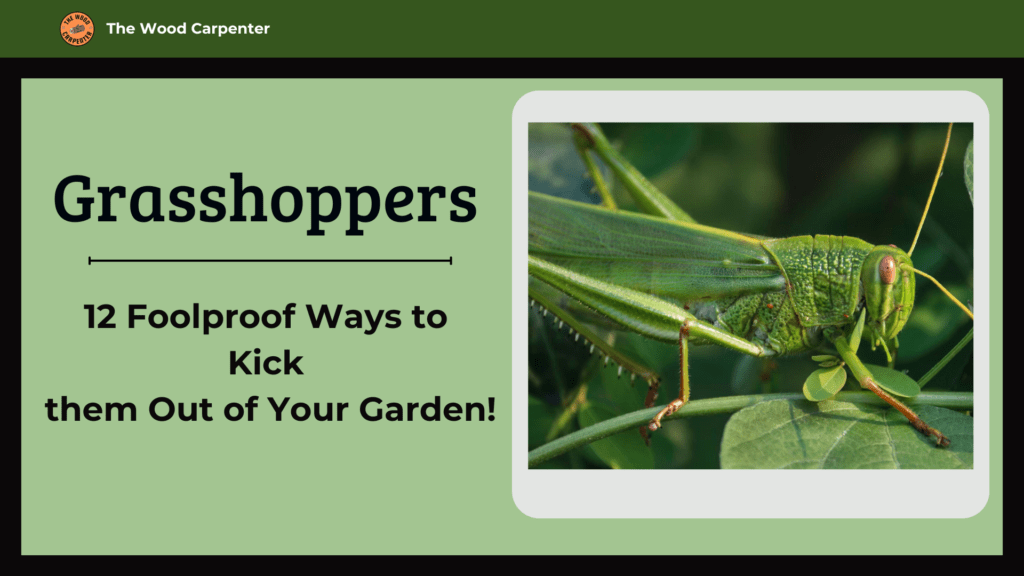
And as I drew closer, I saw the culprits — grasshoppers. Dozens of them, leaping away like little green acrobats who had just finished a buffet.
If that sounds like you, you’re far from alone. No other pest seems to be able to devastate a garden quicker than grasshoppers, mainly because as soon as they stop eating in one spot, they’re off like a bolt. Once they set in, it can feel like a losing battle.
But good news: you absolutely can eliminate grasshoppers, and you can do so without causing harm to your plants, your pets or the environment.
Let’s get to know what really works — no flimsy guesswork, no naive daydreams, just tried-and-true tricks.
🌿 Understanding Grasshoppers: Why They’re Such a Problem
Grasshoppers may look harmless, but they are surprisingly destructive.
Here’s what makes them difficult:
- They eat a LOT—up to half their body weight in a day
- They love hot, dry weather
- They’re fast and jumpy, so they’re hard to catch
- They lay eggs in soil, which hatch in large numbers
- They feed on more than 300 plant species
If you’ve noticed chewed leaves that look ragged or torn—not neatly cut—it’s almost definitely grasshoppers or their cousins (locusts).
⭐ How to Get Rid of Grasshoppers: The Most Effective Methods
Below are the methods farmers, gardeners, and pest experts rely on. Mix and match depending on how serious the infestation is.
1. Garlic Spray (Grasshoppers Absolutely Hate the Smell)
This is one of the simplest and safest home remedies.
How to make it:
- Blend 2–3 garlic bulbs with 4 cups water
- Add a teaspoon of dish soap
- Strain and pour into a spray bottle
Spray on leaves, especially new growth.
The strong scent repels grasshoppers and makes your plants taste “bad” to them.
2. Use Neem Oil (A Natural, Plant-Safe Insect Repellent)
Neem oil disrupts grasshopper feeding and reproduction. It’s safe for plants, people, and pets.
How to use:
- Mix 1–2 teaspoons neem oil with 1 quart warm water
- Add a few drops of dish soap
- Spray directly on leaves and stems
It doesn’t kill instantly, but it makes your yard unattractive to grasshoppers in just a few days.
3. Create a Flour Dust Barrier
This one sounds odd, but it works shockingly well.
Dust leaves lightly with all-purpose flour.
When grasshoppers eat the flour-covered leaves, the flour gums up their mouths and digestive system, making them stop feeding.
It’s safe, inexpensive, and surprisingly effective.
4. Introduce Natural Predators (Nature’s Pest Control)
Grasshoppers have several enemies in the wild, and you can encourage them to stick around your yard.
Invite these helpful hunters:
- Chickens
- Guinea fowl
- Ducks
- Birds like sparrows and swallows
- Spiders (yes, really)
If you’ve ever seen a chicken hunt grasshoppers, it’s like watching a feathery MMA fighter. They don’t mess around.
5. Use Nolo Bait (A Long-Term Biological Control)
If you want something professional-grade that won’t harm your garden, Nolo Bait is one of the best tools.
It contains a microbe that infects grasshoppers, reducing the population over time.
It works especially well if you apply it:
- Early in the season
- On young grasshoppers
- Before the population explodes
It’s commonly used by organic farmers across the U.S.
6. Diatomaceous Earth (Safe, Natural, and Deadly to Grasshoppers)
Diatomaceous Earth (DE) is a powder made from fossilized algae. To insects, it’s like crawling over broken glass.
Sprinkle DE:
- Around plants
- At the base of stems
- Near garden borders
When grasshoppers walk over it, their exoskeleton gets damaged and they dehydrate.
Just remember:
Reapply DE after rain or watering.
7. Aluminum Foil Mulch (Grasshoppers Hate Light Reflection)
This is a clever trick gardeners swear by.
Place strips of aluminum foil around the base of plants or use reflective mulch rolls.
The bright reflections confuse grasshoppers and deter them from landing.
Bonus: the foil also helps repel aphids and whiteflies.
8. Keep Grass Short (Tall Grass = Grasshopper Magnet)
Grasshoppers lay eggs and hide in tall weeds and overgrown grass.
Good habits:
- Mow regularly
- Remove weeds
- Clear dead brush
- Avoid letting grass pile up
The fewer hiding spots they have, the fewer grasshoppers you’ll see.
9. Floating Row Covers (Perfect for Vegetable Gardens)
If you’re dealing with a heavy infestation, row covers can save your harvest.
They:
- Create a physical barrier
- Allow sunlight and water through
- Keep grasshoppers and other pests out
Use them especially for:
- Lettuce
- Spinach
- Herbs
- Seedlings
Young plants are the first to get destroyed.
10. Plant “Trap Crops” to Lure Grasshoppers Away
Sometimes it’s easier to distract grasshoppers than fight them.
Plant something they love far away from your main garden.
Good trap crops include:
- Rye
- Clover
- Tall grasses
- Weeds (kept in a designated area)
Once the grasshoppers gather on these plants, you can control them more easily.
11. Use a Strong Stream of Water
On early mornings when grasshoppers move slowly, use a hose to knock them off plants.
They dislike water, and many won’t return.
This works best on:
- Beans
- Basil
- Tomatoes
- Flowers like zinnias
(Not recommended for fragile seedlings.)
12. Set Up Simple DIY Grasshopper Traps
Here’s a surprisingly effective homemade trap:
You’ll need:
- A yellow bowl
- Water
- A few drops of dish soap
Place it near plants. Grasshoppers are drawn to yellow and jump in.
It’s not pretty—but it works, especially for nymphs.
⭐ Long-Term Prevention: Keeping Grasshoppers Away for Good
Once you get rid of them, here’s how to make sure they don’t return.
✔ Till the soil in fall and early spring
This destroys buried eggs.
✔ Keep your garden well-watered
Grasshoppers prefer dry environments.
✔ Encourage predator birds
Add a birdbath or bird feeders.
✔ Choose resistant plants
Grasshoppers avoid:
- Sage
- Jasmine
- Lilac
- Crepe myrtle
- Moss roses
✔ Remove debris piles
Grasshoppers hide and lay eggs in sheltered areas.
✔ Mix up your plants
Monoculture attracts pests. Variety confuses them.
Garden Pests: Spot, Prevent & Control Naturally
🌼 Personal Story: The Day I Finally Won My Battle With Grasshoppers
One evening during the worst of my infestation, I stood in the garden watching grasshoppers jump off my poor basil like they had installed a trampoline.
I had tried spraying, hand-picking, waving my arms like a wild person… nothing helped.
Then I combined three methods:
- Garlic spray
- Diatomaceous earth
- Shorter grass around the garden
Within a week, I noticed fewer grasshoppers. By the end of week two, only one or two remained, and by the end of the month, they were completely gone.
Now, I repeat my prevention steps every spring, and—bonus—my garden looks better every year.
Frequently Asked Questions (FAQ)
1. What attracts grasshoppers in the first place?
Warm, dry conditions and tall grass. Gardens with lots of leafy greens are irresistible to them.
2. Do grasshoppers bite?
They can, but it’s extremely rare. They usually only nibble when handled.
3. Will grasshoppers come back every year?
They lay eggs annually. If you don’t break the cycle (by tilling soil and using repellents), they can return.
4. Are grasshoppers harmful to humans or pets?
No—they’re just plant destroyers.
5. What plants repel grasshoppers naturally?
They dislike:
✔ Cilantro
✔ Rosemary
✔ Sage
✔ Lavender
✔ Lilac
6. Does neem oil kill grasshoppers?
It doesn’t kill immediately but disrupts their feeding and reproduction.
7. What’s the fastest solution?
Garlic spray + DE + mowing tall grass.
This combination gives quick results and long-lasting control.
🌱 Final Thoughts
Grasshoppers can look cute sitting on a fence post, but when they start snacking on your plants their charm wears thin. The good news is, with the proper blend of nature-borne repellants, protectant barricades and basic preventive habits – you can take back your garden and let it thrive.
Get a handle on their habits and stop them from breeding, and grasshoppers won’t get the chance to turn your garden into an all-you-can-eat salad bar.