Last Updated on December 9, 2025 by Sam Wood Worker
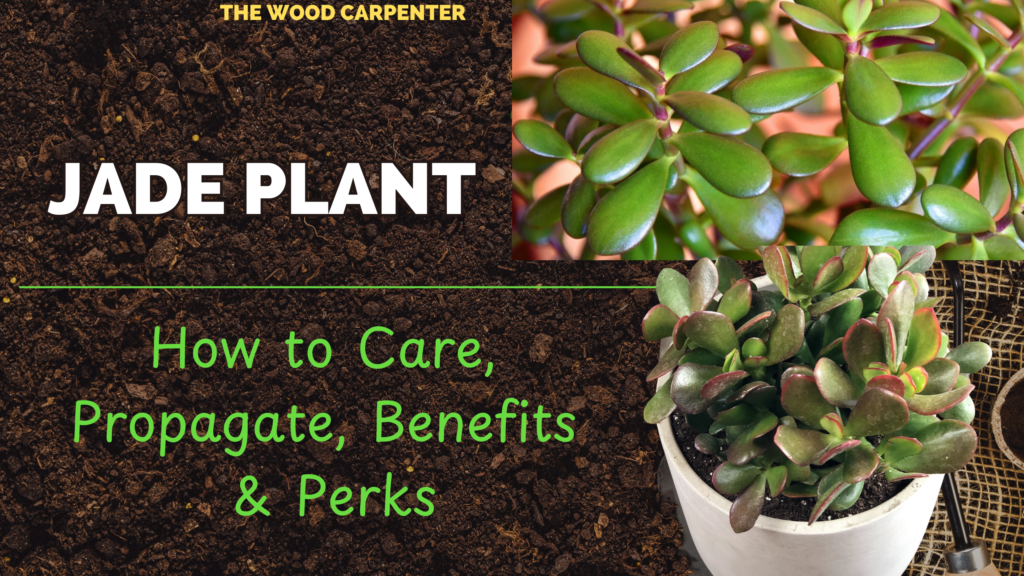
When it comes to indoor plants that offer mystique in terms of luck, long life and beauty with little effort, the jade plant (Crassula ovata) is a simple addition. Its thick, shiny leaves are like smooth green plastic, and its long association with prosperity has seen it become a favourite the world over.
On top of all that, the jade plant is admired for its calming appearance, air-purifying tendencies and remarkable hardiness — with some living for decades under the right care.
Jade Plant Scientific Name
The botanical name of the jade plant is Crassula ovata, and it comes under crassulaceae family. It is native to South Africa and Mozambique, where it grows wild in sunny rock outcroppings. This history is part of the reason why the plant can be so hardy, and able to store plenty of water in its plump leaves.
The leaves are typically round and bright green, and they may develop reddish edges when exposed to enough sunlight. Mature jade plants sometimes produce tiny pink or white star-shaped flowers, adding even more beauty to their bonsai-like structure.
It’s extremely long-lived, which is why many cultures call it the “money plant,” or “friendship tree,” gifting it and passing it from generation to generation.
Why Is the Jade Plant So Popular ?
The jade plant is also beloved for its charms. There are many reasons behind its hype:
• Low maintenance: It thrives with minimal attention or watering.
• Symbolic value: Often associated with wealth, harmony and positive energy in Feng Shui.
• Versatile beauty: Resistant trunk, glossy leaves are suitable for pot or desktop growing, and respond well to bonsai styling.
• Longevity: A well-tended jade plant can live for decades and sometimes nearly a century.
• Easy propagation: You can start new plants from a leaf or a small stem with minimal effort.
Jade Plant Benefits
Besides looking attractive, jade plants offer several practical and emotional benefits:
- Air purification: Helps remove harmful indoor pollutants while releasing fresh oxygen.
- Good luck and prosperity: Feng Shui considers its coin shaped leaves to be symbols of wealth and success.
- Stress reduction: Adding plants inside can help relax the mind and even decrease fatigue.
- Low maintenance lifestyle: Great for busy lifestyles or new gardeners.
- Symbol of longevity: Great for gifts to show your strong friendship or love bond.
Ideal Growing Conditions for Jade Plants
To help your jade plant thrive, try to recreate the warm, bright, and dry conditions of its natural habitat.
1. Light
Sunlight is essential. Position your jade plant near a sunny southern- or western-facing window, where it receives 4-6 hours of sunlight per day. Without adequate light, the plant will stretch and become less compact — a condition called leggy growth.
Tip: If your home lacks natural light, consider using a grow light.
2. Temperature
Jade plants prefers an ideal daytime temperatures range of between 18–24C (65–75F) and cooler evenings around 10-15C (50-59F). It does not tolerate frost so avoid cold drafts and open windows in winter.
In warmer months, placing your plant outside for extra sunlight can boost growth, but introduce it gradually to avoid sunburn.
3. Soil
Jade plants require well-draining soil. Cactus or succulent mix is just fine. Alternatively, you can make your own blend with:
• 2 parts regular potting soil
• 1 part perlite or coarse sand
• 1 part compost or coco peat
Avoid dense, heavy soil that holds too much water.
4. Watering
The most dangerous enemy to jade plants is over-watering. Always let the top layer of soil dry fully before watering again.
General guideline:
• Summer: Every 2–3 weeks
• Winter: About once a month
When watering, soak the soil thoroughly and allow all excess water to drain. Never let the pot sit in water.
5. Humidity
Jade plants prefer normal indoor humidity. They don’t need misting or more moisture, since they grow naturally in dry climates.
6. Fertilizing
Feed your plant every 3–4 months with a diluted succulent fertilizer during spring and summer. Avoid fertilizing in winter when its growth slows down.
How to Get Rid of Leaf Miners Naturally – Complete Guide
How to Identify Pest Damage on Leaves: A Friendly Guide
Common Jade Plant Problems and Solutions
Jade plants are pretty durable but they can have problems if something is amiss.
Overwatering and Root Rot
Signs: Signs of infection are yellowing leaves and mushy texture and blackened roots.
Fix: Stop watering, take it out of its pot, trim damaged roots and repot in dry, well-draining soil.
Leaf Drop
Cause: Wide change in temperatures, poor light or too much water.
Fix: Maintain the plant in a consistent environment and moderate watering and light.
Wrinkled Leaves
Cause: Underwatering or compacted soil.
Fix: Water slowly and loosen the soil if needed.
Pest Infestation
Mealybugs and scales may appear as white cottony patches or sticky residue.
Fix: Wipe them off with neem-oil–soaked cotton or mild insecticidal soap.
Pruning and Shaping a Jade Plant
Pruning helps maintain shape and encourages more branching.
• Use clean, sharp tools.
• Cut just above a leaf node.
• Remove long, stretched stems for a fuller look.
• To create a bonsai style, trim lower leaves to reveal the trunk.
Jade Plant Propagation
Growing new jade plants is easy and rewarding.
Stem Cutting Method
- Cut a healthy 3–4 inch stem with at least two leaf pairs.
- Let it dry for 2–3 days until the cut ends heal.
- Plant it in dry succulent soil.
- Water lightly after a week and keep it in bright indirect light.
Leaf Cutting Method
- Gently twist a healthy leaf from the stem.
- Allow it to dry for 3–4 days.
- Place it on top of dry soil.
- In a few weeks, tiny roots and new leaves will appear.
Both methods work well even for beginners.
Jade Plant Bonsai
Due to its woody trunk and natural dwarf growing habit, jade is an ideal species for bonsai. With steady pruning and gentle wiring, you can shape it into a miniature tree that lasts for decades.
Tips for Jade Plant Bonsai:
• Plant in a shallow pot with good drainage.
• Prune annually so it keeps its shape.
• Encourage a thick main trunk by trimming side shoots.
• Water lightly and don’t overfeed.
Jade bonsai stand for strength, balance and never ending prosperity.
Jade Plant Flower
With the proper care, mature jade plants flower with charming white or light pink starry flowers. They will appear in winter when the plant cools down and gets a little rest.
To encourage blooming:
• Reduce watering in autumn.
• Keep the plant in bright, cool conditions.
• Avoid repotting before the blooming season.
Flowering is a sign that your jade plant is truly happy and established.
Jade Plant in Feng Shui and Cultural Beliefs
In Feng Shui, jade plants are powerful symbols of wealth, renewal, and success. Their rounded leaves resemble coins and are thought to attract financial abundance.
According to Feng Shui principles:
• Place your jade plant in the southeast corner (the Money Corner).
• Keep one near the entrance or your work desk for positive energy.
• Avoid placing it in bathrooms or bedrooms.
Many people gift jade plants during housewarmings to wish luck, growth, and prosperity.
Where to Place Jade Plant in Home
To support good growth and positive energy:
Best Locations:
• Sunny south- or east-facing windows
• Living rooms or entryways
• Home offices or study desks
Avoid:
• Near AC vents, heaters, or cold drafts
• Bathrooms or overly humid rooms
Feng Shui Tip: A healthy jade plant in your entryway or southeast window is believed to encourage wealth and personal growth.
Jade Plant Benefits Recap
| Benefit | Description |
| Air purifier | Helps clean indoor air and adds oxygen. |
| Brings prosperity | Considered a symbol of success and wealth. |
| Minimal maintenance | Easy to care for and grow. |
| Stress relief | Calming greenery for indoor spaces. |
| Long lifespan | Known to live for decades. |
Common Mistakes to Avoid
Even the most experienced plant lovers can make mistakes. Avoid these common issues:
- Using dense soil that doesn’t drain well.
- Overwatering, which causes root rot quickly.
- Not giving enough sunlight.
- Placing the plant near heaters or AC units.
- Using pots without drainage holes.
Remember: jade plants prefer sunlight and light neglect rather than constant attention.
Jade Plant Care Summary Table
| Care Aspect | Ideal Condition | Common Issue | Solution |
| Light | 4–6 hours of bright sun | Leggy growth | Move to brighter light |
| Water | Water only when soil dries | Yellow leaves | Reduce watering |
| Soil | Succulent/cactus mix | Root rot | Improve drainage |
| Temperature | 18–24°C | Leaf drop | Avoid cold drafts |
| Fertilizer | Diluted every 3–4 months | Burned leaf tips | Use mild fertilizer |
FAQs About Jade Plants
- What is the scientific name of the jade plant?
Crassula ovata, belonging to the Crussulaceae family.
- How often should I water my jade plant?
Water only when the soil is completely dry — roughly every 2–3 weeks in summer and once a month in winter.
- Why are my jade plant’s leaves dropping?
Usually from overwatering, not enough light, or a too-sudden change in temperature.
- Does the jade plant flower?
Yes, older jade plants are capable of producing pink or white star-shaped flowers, usually in the winter.
- Can the jade plant grow as a bonsai?
Absolutely. Its strong stems and compact shape make it ideal.
- Where should I place my jade plant at home?
Near a bright southeast-facing window or at entry points for prosperity.
- What are the main jade plant benefits?
Air purification, stress reduction, good luck, ease of care and long life.
- Is the jade plant poisonous to pets?
Slightly it can lead to a light upset stomach in cats or dogs.
Final Thoughts
More than a pretty succulent, the jade plant is a symbol of balance, growth and good fortune. Expose it to bright light, water occasionally and prune lightly; it will reward you with decades of beauty.
Whether you keep the jade plant as a bonsai, give her to someone remarkable or have it stand at your home entrance, this ancient symbol is always around for some positivity and eternal peace.