
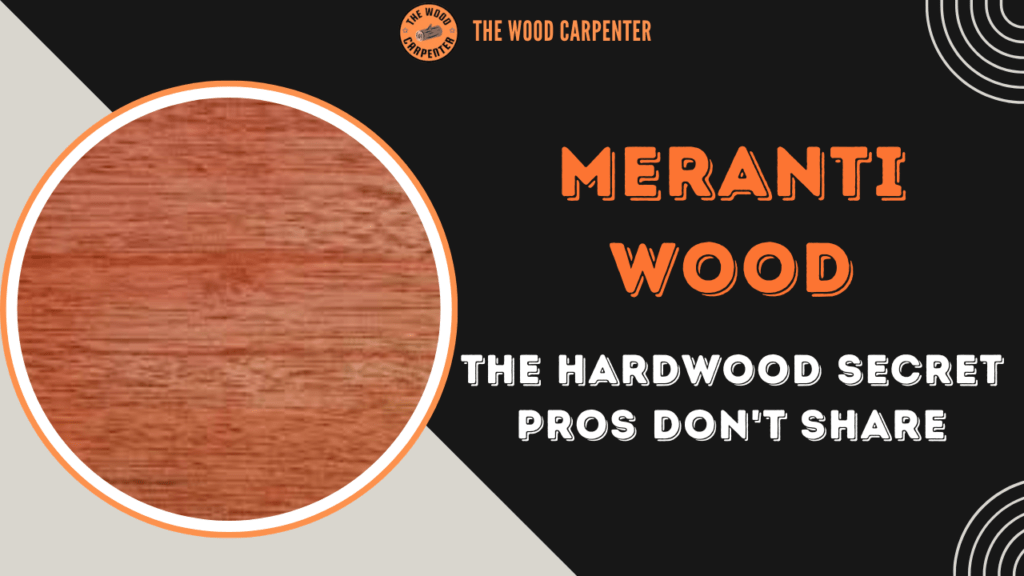
If you have ever seen wooden doors, furniture or window frames and wondered what kind of wood it is chances are at some point in time you’ve had your hands (or eyes) on Meranti. This wood is all around us, yet many people don’t really know what it is or why builders choose it so often.
Meranti wood is native to Southeast Asia and is being used in homes, construction, and furniture making all around the world. It is neither showy, like teak, nor has it the profile of oak, but it quietly gets on with doing its job. This guide surrounds what Meranti wood is, so you can see if it’s best for your next project.
What Is Meranti Wood, Really?
Meranti is not a single tree. It is a commercial name used for several hardwood species from the Shorea genus. These trees are native to countries such as Malaysia, Indonesia and Philippines and they grow tall there, really tall — more than 150 feet in many cases.
Since many species of Shorea have similar appearances and qualities, members of the timber industry groups them together under the name “Meranti.” That makes buying and selling simpler, but it can confuse homeowners who believe Meranti is just one exact wood type.
Meranti is also referred to as Philippine Mahogany. This is a brand name, it isn’t actually mahogany. True mahogany is from the Swietenia genus whereas Meranti is not. But it looks close enough, and it’s much cheaper, so that is what people began using.
This wood is usually sold in color-based groups:
- Light Red
- Dark Red
- White
- Yellow
Among these, Dark Red Meranti is the most widely used because it offers the best balance of strength, durability, and appearance.
Appearance and Feel
It has a warm, natural look that fits well in both modern and traditional homes. The color ranges from pale pink and light brown to deep reddish-brown, depending on the type.
The heartwood is usually darker than the outer sapwood, giving the wood natural variation.
The grain is mostly straight, though some boards have slightly interlocked grain. The texture feels medium to coarse, which gives it a solid, “real wood” feel rather than a soft or cheap look.
This natural appearance is one reason Meranti is used so often for doors, frames, and furniture that need to look good without being overly decorative.
Strength, Density, and Technical Properties (Simplified)
Meranti is considered a medium-density hardwood. It is strong enough for daily use but not so heavy that it becomes hard to work with.
On average:
- Weight when dry: about 34–42 lbs per cubic foot
- Janka hardness: roughly 550–850 lbf depending on the variety
This means this wood is:
Dark Red Meranti is the strongest among the common types and is often chosen for doors, frames, and furniture that see regular use.
It shrinks and expands in a predictable way when dried properly, which helps reduce warping and cracking. However, like all wood, it still reacts to moisture and needs proper finishing.
Some Meranti types contain silica, which can dull tools faster. This is not a big issue for professionals but is worth knowing for DIY users.
Durability and Resistance
It has moderate natural durability. It is not highly rot-resistant like teak, but it performs well indoors and reasonably well outdoors if treated correctly.
Dark Red Meranti lasts longer than Light Red or White Meranti, especially in humid conditions. Without treatment, lighter Meranti types can attract insects and decay faster when exposed to moisture.
For indoor use, durability is rarely a concern. For outdoor use, protection is essential.
Why Builders and Woodworkers Like it
This wood is popular not because it is perfect, but because it is practical.
It cuts, drills, and shapes easily with standard tools. Nails and screws hold well when pre-drilled, and glue bonds are strong. This makes it friendly for both professionals and home projects.
Finishing this wood is also easy. It accepts paint, stain, and clear finishes very well. With the right sealer, you can highlight its natural color or paint it smoothly without heavy grain showing through.
Another big reason is price. Meranti is usually much cheaper than genuine mahogany, teak, or walnut, while still offering a similar look for many uses.
Common Uses
They can be found in numerous places throughout a home, typically without people even knowing.
Indoors, where it’s commonly used for doors, window frames, door and window trim, moldings, cabinets and furniture framing. Meranti is commonly used in many wardrobes, tables and shelves.
In construction, it finds application for beams, plywood, formwork. Veneer grade It is also relatively well distributed as plywood and decorative paneling.
Outside, this wood is suitable for decking, cladding, garden furniture and pergolas—if it’s been treated and looked after in the right way. The Thermo-treated Meranti does very well outside compared to untreated wood.
Meranti vs Other Popular Woods
Here is a clear comparison to help you decide:
| Feature | Meranti (Dark Red) | Genuine Mahogany | Teak | Red Oak |
| Janka Hardness | ~800 lbf | ~900 lbf | ~1070 lbf | ~910 lbf |
| Durability | Moderate | High | Very High | High |
| Rot Resistance | Low–Moderate | High | Excellent | Moderate |
| Workability | Good (watch grain) | Excellent | Good | Fair |
| Cost | Affordable | Expensive | Very Expensive | Moderate |
| Best Use | Furniture, doors, joinery | Premium furniture | Outdoor use | Flooring |
Meranti clearly wins on value and ease of use, especially for indoor projects.
Sustainability and Responsible Buying
Sustainability matters. Some Shorea species are overharvested, which has caused population decline in certain regions. That does not mean Meranti is a bad choice—but sourcing is important.
Always look for:
- FSC or PEFC certification
- Clear origin information
- Chain-of-custody labels
Plantation-grown and responsibly managed Meranti is far better for the environment than illegal or uncontrolled logging. Certified wood may cost a little more, but it supports long-term forest health.
Finishing, Care, and Maintenance
Meranti looks great when finished, but preparation is key. It has open pores, so it is recommended to use a sanding sealer or wood conditioner in order for the stain to be absorbed evenly.
For indoor use, simple cleaning and occasional refinishing is enough. Dust regularly and avoid standing water.
For outdoor use, check the wood annually. Reapply your sealant or oil every 2-3 years. Moisture can make its way through fairly quickly once the finish fails, so maintenance should not be delayed.
This wood does not bend well with steam and it can split with the grain so it’s not great for curved designs.
Advantages and Limitations (Quick Overview)
Meranti offers good value, easy workability, and a pleasant appearance. It holds its shape when properly dried and is suitable for doors, furniture and joinery.
However, it needs protection outdoors, can dull tools due to silica, and varies in quality depending on the type. Sustainability depends heavily on responsible sourcing.
Frequently Asked Questions
Is Meranti wood good for outdoor use?
Yes but not if you don’t treat and maintain them. Dark Red and thermo-treated Meranti are the best exterior species. It will not survive in wet if it is unprotected.
How is Meranti different from mahogany?
It looks similar but is less durable and much cheaper. Mahogany lasts longer outdoors, but Meranti is a great indoor alternative.
Can Meranti be painted or stained?
Yes. It takes paint and stain really well. Conditioner helps to prevent blotches.
Is Meranti wood hard enough for furniture?
Yes. Dark Red Meranti is strong enough for everyday furniture, cabinets, and doors.
Is Meranti environmentally friendly?
It can be, if certified. To prevent supporting the destruction of forests at all times go for FSC or PEFC-certified Meranti.
Final Thoughts
Meranti isn’t a luxury hardwood, and it doesn’t have to be.
Its strength lies in being reliable, affordable, and easy to work with. When used in the right places and sourced responsibly, it delivers excellent value for homes, furniture, and construction projects.
For a wood that sits well, is easy to work, and doesn’t break the bank, Meranti is a clever choice.