
Last Updated on July 7, 2026 by Sam Wood Worker
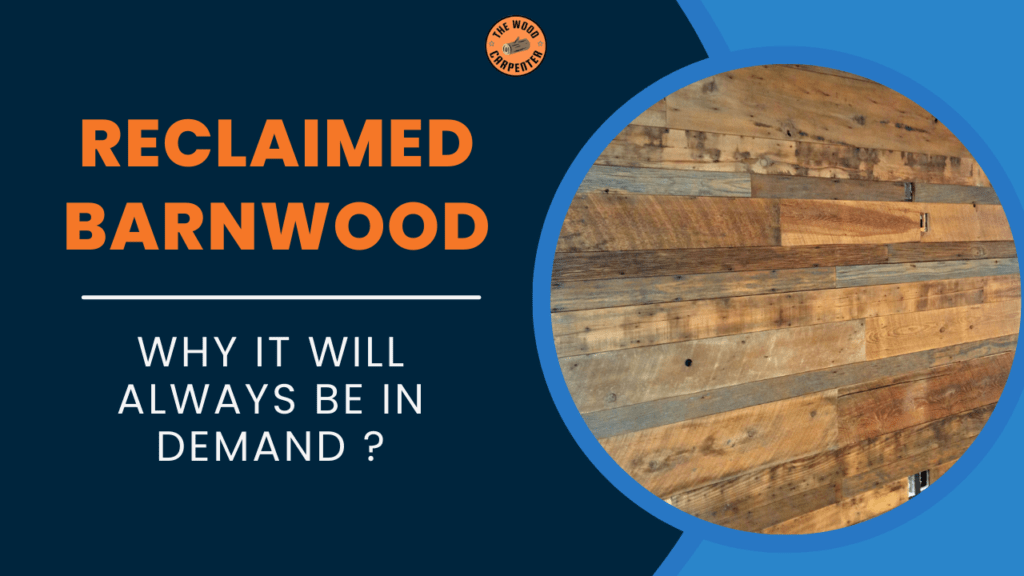
It was really my first time dealing with genuine reclaimed barnwood. A client brought in some rough, weathered boards from a barn that was more than 150 years old. They desired a plain dining table. As soon as I laid my hand on the wood, I could see why this reclaimed barnwood is so cool. The surface wasn’t smooth. The color wasn’t perfect. But it had depth, warmth and history —which new lumber just doesn’t have.
That table was not only pretty. It felt meaningful.
Through the years, I’ve watched reclaimed barnwood go from something a few people were interested in to something designers, builders and homeowners seek out . And this isn’t a short-lived trend. There are plenty of good reasons why reclaimed barnwood has always been popular — and always will be.
Old-Growth Wood Is Simply Better
The most obvious reason that reclaimed barnwood retains its value is quality.
Most barnwood is made from old-growth trees. These trees grew slowly, frequently taking hundreds of years, in forests that no longer inhabit the earth. Because they grew so slowly, the wood had very tight grain.
If you cut into reclaimed oak, pine or chestnut salvaged from an old barn, you’ll often come across many growth rings packed closely together.
Modern trees grow fast. Faster growing means wider rings and softer wood. That difference matters.
Old growth wood is more dense, stronger and stabler. It expands and contracts less with shifts in temperature and humidity. It resists warping and twisting. Screws and joints hold better.
Reclaimed barnwood furniture and structures also have a reputation for remaining solid as alder, well beyond a decade but instead, for generations.
And the fact is, we can’t create this kind of wood. Even if we planted trees today, it would take hundreds of years to achieve the same effect. That makes reclaimed barnwood a finite commodity — and limited commodities, of course, always remain in high demand.
Real Character Can’t Be Faked
Many companies try to copy the look of old barnwood. They sand new boards, beat them up, stain them, or use chemicals to make them look aged. Some of these products look decent from a distance, but they never feel the same.
Real reclaimed barnwood has true character.
You see nail holes from hand-forged nails. You see saw marks from old mills. You see uneven edges shaped by hand tools. The color changes naturally from decades of sun, rain, and air. The surface tells a story.
I’ve worked with boards that still showed paint shadows where a window once sat. I’ve seen beams with old joinery marks that show how the barn was built long before power tools existed. These details can’t be manufactured in a factory.
When people touch reclaimed barnwood, they’re touching history. That emotional connection is a huge part of why people value it so highly.
One of the Most Sustainable Materials Available
Sustainability is no longer a bonus—it’s a priority. Reclaimed barnwood fits perfectly into that mindset.
This wood is already cut, formed, and utilized. When it is reclaimed, no new trees are cut. It also means less waste into landfills. Many old barns would often be demolished and thrown away otherwise, winding up with thousands of board feet of usable wood.
Because barnwood has been air-drying for decades, it doesn’t require the heavy energy use that modern lumber needs for kiln drying. The environmental footprint is much smaller.
Clients frequently use reclaimed barnwood because they want to construct in a responsible manner. They want durable materials that are conscientious of the environment. With the increased environmental consciousness, reclaimed materials are only going to become more popular.
Scarcity Keeps Demand Strong
There is only so much real reclaimed barnwood left.
Every year, old barns collapse or are torn down without proper salvage. Once that happens, the wood is gone forever. We’re not building new historic barns, so the supply will never increase.
As supply shrinks and awareness grows, prices rise. That’s already happening. High-quality reclaimed barnwood costs more today than it did 10 or 20 years ago, and buyers are still lining up.
People aren’t turned away by the price. In many cases, the higher cost reinforces the value. Buyers know they’re getting something rare, authentic, and durable.
Works With Almost Any Design Style
Another reason that reclaimed barnwood remains such a popular option is its flexibility.
It fits naturally into rustic and farmhouse spaces, where its history feels right at home. But it also works beautifully in modern and minimalist designs. The contrast between old wood and clean, modern lines creates a strong visual impact.
They use reclaimed barnwood for floors, walls, ceilings, beams, tables, mantels, stair parts and on and on. It can be bold or subtle. It can be the focus of a room or a quiet accent.
Because it adapts so easily, reclaimed barnwood isn’t tied to one trend. With new fashions, the material keeps discovering fresh uses.
People Want the Story, Not Just the Product
One thing I’ve noticed again and again is this: people want to know where their wood came from.
When a client buys something made from reclaimed barnwood, they often ask about the barn, the location, and the age. They care about the story behind it. Some feel a connection to farming history. Others appreciate owning something that existed long before modern life.
In a world filled with mass-produced items, reclaimed barnwood feels real. That emotional value doesn’t fade with time.
Commercial Spaces Drive Ongoing Demand
Reclaimed barnwood isn’t only for homes.
Restaurants, breweries, hotels and shops employ it to warm up memory-making spots. Reclaimed wood gives places an authentic and inviting spirit. Businesses understand that atmosphere matters and reclaimed barnwood helps make it.
Commercial projects typically require an enormous quantity of building material, ensuring robust demand year over year.
Why Proper Salvage Matters
Not all reclaimed barnwood is equal. How it’s salvaged makes a huge difference.
Poor dismantling can crack beams, damage boards, or leave hidden metal inside the wood. That ruins material that survived for over a century.
This is why experienced reclaimers matter. Companies like Antique Building Solutions specialize in carefully dismantling historic barns, reclaiming the wood properly, and milling it for reuse. Their work helps protect both the quality of the material and the history behind it.
When reclaimed wood is handled the right way, it stays strong, usable, and valuable for its next life.
A Material That Holds Its Value
Reclaimed barnwood isn’t just beautiful—it’s a smart investment.
Quality material tends to increase in value over time. Custom furniture and architectural pieces made from reclaimed barnwood often hold or even gain value, unlike mass-produced items that lose value quickly.
That long-term value keeps buyers confident and demand steady.
Some Woods Can Only Come From Reclaimed Sources
Certain wood species are no longer available as new lumber.
American chestnut is a perfect example. A disease wiped out most chestnut trees in the early 1900s. Today, reclaimed barns are one of the only sources for this wood. The same is true for old-growth heart pine.
Because these woods cannot be replaced, reclaimed sources will always be sought after.
Looking Ahead
Reclaimed barnwood isn’t popular by accident. Its demand is built on real qualities: strength, beauty, sustainability, history, and scarcity.
As modern lumber becomes more uniform and less durable, people continue to look backward for better materials. Reclaimed barnwood answers that need.
As long as people value quality and authenticity, reclaimed barnwood will remain in demand. Our responsibility is to use it wisely, salvage it carefully, and honor the history it carries.
These barns served generations before us. The wood deserves to keep serving generations to come.