
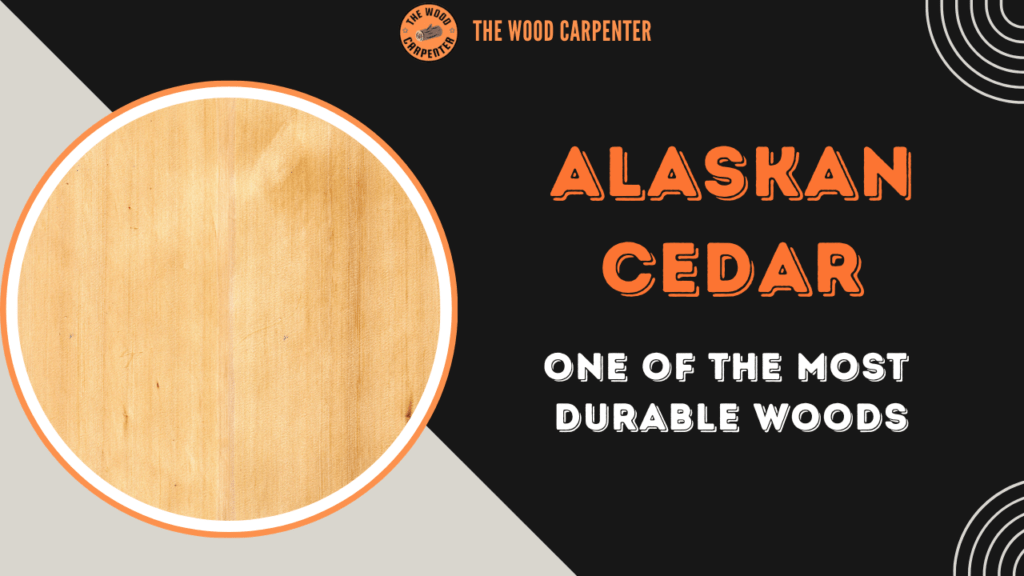
Alaskan cedar is a unique type of wood known for its attractive appearance, strength, and longer lifespans.
Many people love it because it looks elegant, smells unique, and lasts for decades without much care. Whether you observe it growing in a garden or employed in furniture, boats or homes, Alaskan cedar leaves an impression.
This article will show you what the Alaskan cedar is, where it grows, why we need it and how it is typically used.
What Is Alaskan Cedar ?
Alaskan cedar is an evergreen tree and remains green throughout the year. Its scientific name is Cupressus nootkatensis, but most people know it by common names like like Nootka cypress, yellow cedar, or Alaska cypress.
Though it’s called Alaskan cedar, most of these trees actually come from British Columbia in Canada. It’s named for the place where it became most popular, not where it is most plentiful.
An interesting fact is that Alaskan cedar is not actually a cedar. It’s a member of the cypress family, but it has many properties that tend to make us think of cedar wood — for example, resistance to rot and insects.
Where Does Alaskan Cedar Grow ?
Alaskan cedar naturally grows along the northwest coast of North America, starting from southern Alaska, passing through British Columbia, and reaching down to Oregon.
In the wild, they often flourish in the cool, mountainous regions. They grow slowly — because conditions are tough! But that slow growth is what makes the wood strong and durable.
Wild trees have been known to reach great heights — from 100 to as tall as 120 feet. In gardens and landscapes, they tend to remain much smaller — between 30 and 40 feet tall — so are more easily managed.
Climate and Growing Conditions
Alaskan cedar prefers cool weather and does best in areas with mild summers. It grows well in places with good airflow and regular moisture.
The tree likes:
- Well-drained soil
- Consistent moisture (but not standing water)
- Full sun or light shade
In hot areas, the tree needs some protection from strong afternoon sun and extra watering during dry periods.
What Does Alaskan Cedar Wood Look Like?
Alaskan cedar wood has a light yellow color that feels warm and natural. Over time, especially outdoors, it slowly turns into a soft silver-gray shade, which many people find attractive.
The grain is generally straight, and easy to work with. Sometimes the grain is very mildely wavy, which gives the finished item more personality.
One unusual feature is its distinct smell, often compared to raw potatoes. And this smell of the wood allows experts to rapidly determine its identity.
Why Is Alaskan Cedar So Durable ?
Alaskan cedar is long cherished for natural resistance to rot, moisture and insects. This also allows it to be used outside without applying any chemicals.
And so it lasts longer than a lot of woods, even in damp or cold places. That is one reason why it has been used for centuries.
Common Uses of Alaskan Cedar
Alaskan cedar is valued in many industries because it is strong, long-lasting, and easy to work with.
Outdoor Uses
It is often used for:
- Boat building
- Decking
- Outdoor furniture
- Siding and shingles
The wood holds up well against rain and humidity, making it perfect for outdoor projects.
Indoor Uses
Inside homes, Alaskan cedar is used for:
- Flooring
- Wall panels
- Storage boxes and chests
- Decorative items
It also works well with paint, stain, and polish.
Special Uses
Musical instrument makers use Alaskan cedar for flutes and guitar soundboards because it produces clear, warm sound. Wood carvers also love it because it is smooth and easy to shape.
The Weeping Alaska Cedar Tree
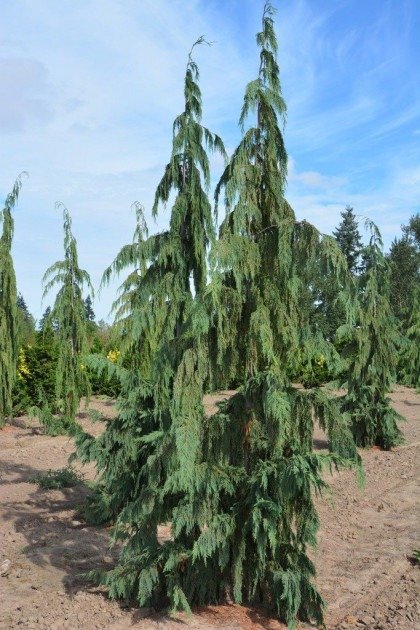
One of the most commonly grown garden varieties is that again known as weeping Alaska cedar. This tree has long, drooping branches that fall downward like a waterfall, giving it a graceful and a dramatic look.
In gardens, it typically grows 20 to 30 feet high. Its branches frequently touch the ground, creating a natural “skirt” around its base.
Because of its unique shape, it is often planted as a centerpiece tree in landscapes.
Caring for Alaskan Cedar Trees
Once established, Alaskan cedar trees need very little care.
- Young trees need regular watering
- Mature trees can handle short dry periods
- Pruning is rarely needed
- Some inner needles turning brown is normal and not a problem
These trees are generally healthy and resistant to most pests and diseases.
Sustainability and Availability
Alaskan cedar is not endangered, and it is rated by conservation organizations as “Least Concern.” But it takes its time to grow, so the supply of high-quality wood can be limited.
For this reason, Alaskan Cedar tends to be more expensive than other woods like pine or fir.
The higher price reflects its quality, durability, and slow growth.
Why Choose Alaskan Cedar ?
Alaskan cedar is a great choice if you want:
- Wood that lasts for decades
- Natural resistance to rot and insects
- A beautiful, clean appearance
- Low maintenance trees for landscaping
Whether used in construction, furniture, musical instruments, or gardens, this wood delivers both beauty and performance.
Final Thoughts
Alaskan cedar is a wonderful natural harmonious blending of structure and beauty. From the golden-yellow wood to the elegant weeping trees, there’s something special for builders, artists and gardeners alike.
Whether you’re seeking a premium wood or an impressive evergreen tree, Alaskan cedar is sort of an investment that pays for itself year after year.