
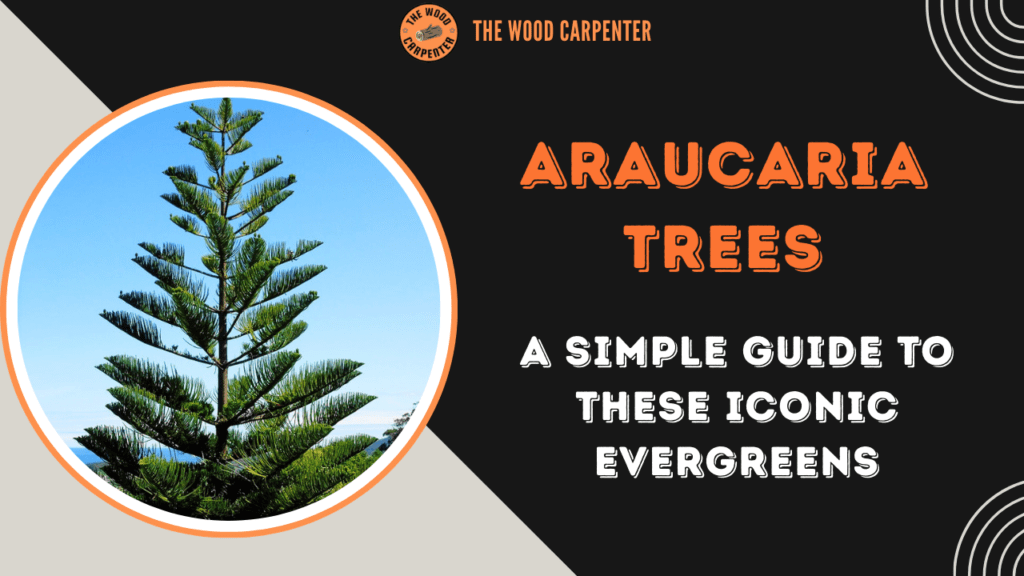
Have you ever wandered through a garden and spotted a tree that appears as though it’s from dinosaur times? That is the Araucaria tree. It’s like a “living fossil” because it has been on Earth since the time of the dinosaurs.
These evergreen trees have circle-like (whorled) branches and strong, sharp, needle-type leaves that make them look very neat and symmetrical. They thrive principally in the Southern Hemisphere, but nowadays more Americans are installing them on their properties, workspaces and tables — even decorating them for holidays.
What makes Araucaria different? Unlike real pine trees, these trees are old and tall in appearance. In the wild they can reach up to 80 meters in height.
In warm zones, they perform brilliantly in American gardens, lending year-round green color and intriguing shapes that are arresting enough to make people want to stop and look.
Whatever plant you prefer — from a Monkey Puzzle tree for your California yard to a Norfolk Island pine as an indoor evergreen in the Midwest — this simple guide will tell you where it’s from and how to care for it in United States territories.
Origins and Fascinating History of Araucaria Trees
Araucaria trees are extremely old. They have been on the planet for more than 200 million years, since the time of the Jurassic period. They once ranged across both hemispheres before the continents drifted.
Their abundance is easy to grasp from the fossils, in Patagonia and even farther south in Antarctica. They managed to survive the Cretaceous extinction, but since then their range has been reduced from “all over” where we have fossils, into places like Chile, Australia, New Guinea and New Caledonia.
The name “Araucaria” comes from the Araucanian (Mapuche) people of Chile, who respect the Monkey Puzzle tree (Araucaria araucana). They have used the seeds as food for many generations.
Explorers such as John Oxley in 1823 admired Australian Araucaria trees like the Hoop Pine (Araucaria cunninghamii) for strong wood used in ships. That started a big interest in their timber. Today, 20 species of Araucaria exist, and New Caledonia has 14 unique types that grow in tough soils.
In the USA, people first planted these trees in the 1800s as rare and interesting plants in botanical gardens from California to Florida. Their “living fossil’’ look made them very popular. The Monkey Puzzle tree even got its funny name because people said, “Even a monkey would get confused climbing these spiky branches!”
Popular Araucaria Species for American Gardens
Not every type of Araucaria is right for every American yard, but some are very good choices. Here are the most popular ones:
1. Araucaria araucana (Monkey Puzzle Tree)
- Hardiest species
- Grows 30–50 meters tall
- Has a pyramid or umbrella shape
- Thick, spiky, triangle-shaped leaves that stay for about 15 years
- Female cones hold around 200 seeds
- USDA Zones 7–10
- Needs full sun and well-drained soil
- Bark is fire-resistant, great for West Coast areas
2. Araucaria heterophylla (Norfolk Island Pine)
- Often used as a Christmas tree
- Can reach 70 meters in the wild
- Has soft, needle-like leaves
- Grows well outdoors in Zones 9–11
- Indoors anywhere in the USA with bright light
- Native to Norfolk Island
- Very popular as a holiday plant
3. Araucaria cunninghamii (Hoop Pine)
- Fast-growing
- Reaches about 60 meters
- Known for bark rings that look like hoops
- Good for timber and screens in warm states like Hawaii and Florida
- Seeds feed wildlife
Some New Caledonia species like A. columnaris (Cook Pine) are also grown, but they are harder because they need special soil.
Growing Araucaria Trees in the USA: Site and Soil Essentials
Choosing the right location is the most important step. Most Araucaria trees need:
- Full sun (6–8 hours daily)
- Or partial shade for young plants
They are not very picky about soil. They can grow in sandy, loamy, or volcanic soil as long as the soil drains well to stop root rot.
USDA Zones Guide
| Species | Zones | Cold Tolerance | Best US Regions |
| Monkey Puzzle (A. araucana) | 7–10 | Down to 10°F | Pacific Northwest, Southeast |
| Norfolk Pine (A. heterophylla) | 9–11 | Above 35°F | Florida, California coasts |
| Hoop Pine (A. cunninghamii) | 9–11 | Frost-sensitive | Hawaii, South Florida |
Planting Tips:
- Plant in spring or fall
- Dig a hole twice the root ball’s width
- Add organic matter
- Mulch to keep moisture
- Space trees 20–30 feet apart because they grow wide
- They tolerate salty coastal air
- In inland areas, protect from strong winds
Step-by-Step Care Guide for Araucaria Trees
- Water young trees deeply once a week
- When older, they become drought-tolerant
- Keep soil moist but not soggy
- Let the top inch of soil dry before watering again
Fertilizing:
Use a balanced liquid fertilizer every 4–6 weeks during spring and summer.
Pruning:
Only prune dead branches. Cutting too much can stress the tree.
Indoor Care:
- Add humidity (misting, pebble trays)
- Dry air makes needles yellow
- Rotate the pot so the tree grows evenly
Propagation:
- Plant fresh seeds in spring (they must be planted quickly)
- Cuttings work with young plants
- US nurseries like Burnt Ridge sell seeds and small trees online
Pros of Araucaria Trees
- They look beautiful and unique, with a prehistoric style that stands out in gardens, especially in warmer areas (Zones 7–11).
- They are strong and easy to care for once they grow. Some types handle drought, fire, and salty coastal air well.
- They can be used in many ways: indoor Christmas-style trees (like Norfolk Pine), food seeds, timber, wildlife support, and storing carbon.
- They live a very long time (over 1,000 years) and grow slowly, so they do not need much pruning.
Cons of Araucaria Trees
- Some have very sharp needles (like the Monkey Puzzle tree) that can hurt people, pets, or children.
- They grow slowly at first and can become very large (50–100+ ft), so they need lots of space. Their seed cones can also make a mess.
- They can get pests like spider mites and scale. Poor soil drainage can cause root rot. Indoor types don’t like dry air or low light.
- They are sensitive to cold and only grow well outside in Zones 9–11. Their seeds don’t last long and can be hard to grow for beginners.
The Ultimate Guide to Woodworking: Types of Wood
Common Pests, Diseases, and Solutions
Araucarias are strong trees, but watch out for:
Use neem oil or insecticidal soap early.
Diseases:
- Phytophthora root rot in wet soil → fix drainage
- Powdery mildew indoors → increase air flow
Other Problems:
- Brown needles = dry air, underwatering, or poor light
- Old trees dropping lower branches is normal
- Young outdoor trees may need stakes to survive storms
- Lightning sometimes hits tall trees
Landscaping Ideas in American Yards
A Monkey Puzzle tree makes a great centerpiece in a garden. Its open branches also let smaller plants grow under it. Norfolk Island Pines make great living Christmas trees or look nice near pools in warm states. Plant Hoop Pines together for windbreaks.
Some Araucaria species like A. araucana and A. bidwillii produce large seeds that taste like pine nuts and are rich in protein and carbohydrates. Timber types make good furniture, and all Araucaria trees help store carbon, which is great for eco-friendly gardening.
Just remember: their leaves are sharp, so plant them away from children and pets.
Also, wild Araucaria trees are decreasing due to logging and mining, so planting them in the USA helps support the species. Some trees can live more than 1,000 years.
FAQ: Araucaria Tree
Can Araucaria trees grow indoors in the USA?
Yes. The Norfolk Island Pine grows well indoors with bright, indirect light and high humidity. Do not expose it to cold below 35°F.
How fast do Araucaria trees grow?
They grow slowly to moderately. Monkey Puzzle trees grow about 1–2 feet each year and take decades to mature.
Are Araucaria trees toxic?
They are not very toxic, but their sharp leaves can irritate skin and eyes. The seeds are edible for people, but do not let pets chew the tree.
Why is my Araucaria turning brown?
Usually because of:
- Low humidity
- Overwatering
- Not enough light
Check the soil, mist the tree, and move it to a brighter spot.
Where can I buy Araucaria trees in the USA?
Nurseries like Burnt Ridge and some online sellers offer seeds and saplings. Local nurseries in Zones 7 and above may also have them.