
What’s behind the walls, most people never consider. Insulation has a lot to do, though, with how warm your home feels in the winter and how cool it stays in the summer — and also with how much money you spend on energy and and even how healthy the air inside your home is.
For decades, fiberglass and mineral wool comprise the dominant choices for insulation. They work, but they have issues. Fiberglass can be itchy; both trap moisture, both take a huge amount of energy to make; and neither is particularly environmentally friendly. This is where hemp insulation comes into play.
Hemp insulation is on the rise in the US and the UK, because it’s a cleaner, greener way to keep structure comfortable. It retains warmth and coolness in the house and regulates moisture naturally, while being kinder to the environment and to those who live in the home.
Let’s explain it in a simple way.
What Hemp Insulation Actually Is
Hemp insulation is a product derived from an agricultural hemp, a fast-growing plant cultivated for building materials, textiles and for a good source of food. Industrial hemp has 0.3% THC or less and does not produce any drug effects.
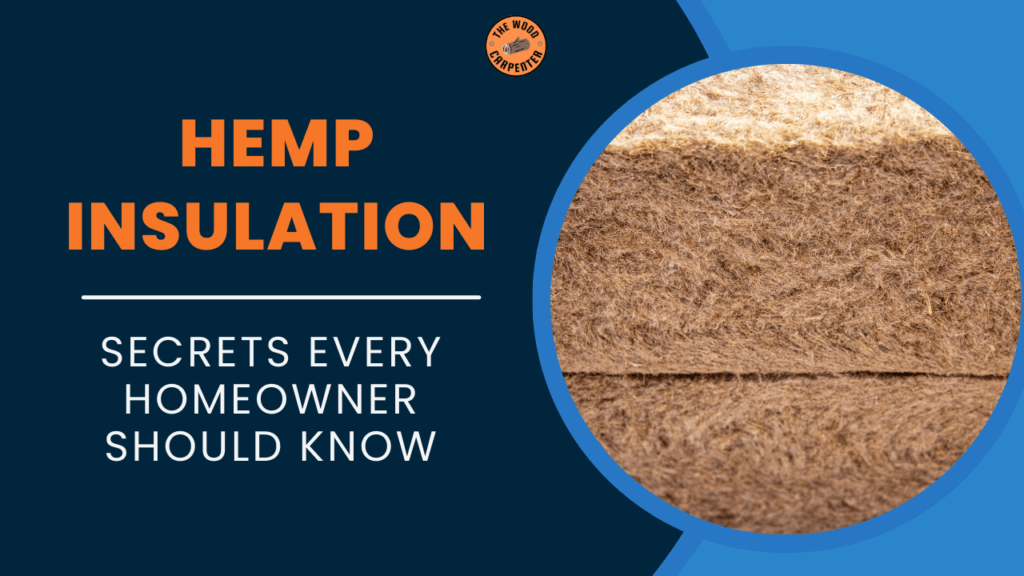
The insulation is made from the inner woody part of the hemp plant, called hurd or shiv. After harvesting, the fibers are cleaned and lightly bonded using natural binders or small amounts of polyester. The final product comes as rolls or boards, similar to fiberglass or mineral wool, but it feels more like thick wool or cotton.
Hemp grows like crazy; Generally it will be fully grown in around three months. It uses very little water, doesn’t require heavy pesticides and it actually enhances the soil. When it grows, hemp takes in a significant level of carbon dioxide. That carbon remains locked inside the insulation for decades after it is installed in a home.
This alone separates hemp insulation from most traditional insulating materials.
How Hemp Insulation Performs in Real Homes
Many people think “eco-friendly” means weaker performance. With hemp insulation, that is not true.
Hemp insulation has an R-value of about 3.5 to 4.3 per inch. This is similar to fiberglass and mineral wool. In simple terms, it keeps your home just as warm as standard insulation.
Where hemp really shines is temperature control. Its dense fibers hold and release heat slowly. This reduces sudden temperature changes and keeps rooms feeling more comfortable all day and night. Homes stay cooler longer in summer and warmer longer in winter.
Hemp insulation is also excellent at blocking sound. It absorbs noise very well, helping reduce sound between rooms, floors, and from outside. Many homeowners notice their home feels quieter soon after installation.
Moisture Control: One of Hemp’s Biggest Strengths
Moisture is a serious problem in many homes. It can cause mold, rot, and insulation damage. Many traditional insulation materials struggle with this.
Hemp insulation is breathable and naturally absorbs moisture from the air when humidity is high. When the air becomes drier, it releases that moisture back out. It can hold moisture without losing its insulating power or growing mold.
Instead of trapping water inside walls, hemp helps balance indoor humidity. This reduces condensation, especially in older homes or buildings with different materials.
Because of this, hemp insulation is much more resistant to mold and mildew than fiberglass. This makes it a great choice for humid areas or places with big temperature changes, which are common in both the UK and many parts of the US.
Environmental Benefits That Go Beyond Marketing
Hemp insulation is frequently referred to being “carbon negative,” which is true. Hemp plants absorb more carbon dioxide than most crops. And the carbon that goes into walls as insulation stays locked there for the life of a building.
Making hemp insulation also uses much less energy than producing fiberglass or mineral wool. Traditional insulation requires mining and very high temperatures. Hemp fibers are processed mainly using mechanical methods, which saves energy.
When hemp insulation reaches the end of its life, it does not become long-lasting waste. It can be recycled, composted, or safely returned to the soil. This is very different from synthetic insulation that ends up in landfills for many years.
If you’re an environmentally conscious homeowner, hemp insulation is one of the few building materials that actually gives to the planet.
Hemp Insulation vs Traditional Insulation
| Feature | Hemp Insulation | Fiberglass | Mineral Wool |
| R-Value (per inch) | 3.5–4.3 | 2.9–3.8 | 3.0–4.0 |
| Moisture Handling | Breathable, mold-resistant | Traps moisture | Better than fiberglass |
| Health & Safety | No itch, non-toxic | Skin & lung irritation | Itchy, dusty |
| Environmental Impact | Carbon-negative | High energy use | Heavy mining |
| Sound Absorption | Excellent | Good | Excellent |
| Fire Resistance | Good (naturally treated) | Good | Excellent |
| Cost (USD/sq ft) | $1.40–3.10 | $0.30–1.50 | $0.80–2.00 |
Hemp insulation stands out for health, sustainability, and moisture control. Mineral wool is slightly better for fire resistance, while fiberglass remains the cheapest upfront option.
Installation: Easier Than Most People Expect
Hemp insulation is installed just like fiberglass, but much more comfortable.
The material is soft, flexible and cuttable with a knife or good scissors.
It fits snugly between wall studs without staples, allowing the walls to breathe. Special safety gear isn’t required as it doesn’t irritate skin or lungs.
Many DIY homeowners prefer hemp insulation because it is cleaner and easier to handle. For roofs, lofts, or blown-in uses, professional installation is usually recommended, especially in the UK where building rules are strict.
Installation is comparable to other insulation varieties and there are no maintenance requirements once in place for hemp insulation.
Remove Paint from Hardwood Floors: Easy, Safe Guide
Vinyl Siding: A Complete, Easy Guide for Homeowners in 2026
Cost, Savings, and Long-Term Value
Hemp insulation is more expensive upfront. In the US, you’ll pay between $1.40 and $3.10 per square foot. In the UK, prices typically range from £10 to £20 per square meter.
Energy savings are comparable to conventional insulation, so the major benefit is comfort, longevity and fewer moisture issues as opposed to mere energy cost reductions.
You know, hemp insulation will last a long time. It does not slouch, compact or disintegrate with use. Most manufacturers estimate that it can last 50 years or more. When you factor in longevity, health advantages and environmental costs, the higher price is more justifiable.
Health and Indoor Air Quality Benefits
One of the most important advantages of hemp insulation is that it helps to create a healthier indoor environment.
It contains no toxic chemicals, no formaldehyde, and does not release harmful gases. It also does not shed fibers into the air like fiberglass. This also makes it suitable for families, people with asthma or those sensitive to chemicals.
Hemp insulation is also insect and pest resistant without use of chemicals, promoting cleaner, healthier indoor air.
Frequently Asked Questions
Is hemp insulation legal in the US and UK?
Yes. Industrial hemp insulation is fully legal and approved for building use.
Does hemp insulation attract rodents?
No more than other insulation types. It naturally resists pests better than many materials.
Can hemp insulation be used everywhere?
It works well in walls, roofs, and floors. Very damp basements may need special design.
Is hemp insulation worth the higher price?
For people who value comfort, moisture control, clean air, and sustainability, many feel it is worth it.
Final Thoughts: Is Hemp Insulation Right for Your Home?
Hemp insulation isn’t new, or experimental. It’s a time-tested and dependable building material that provides comfort, long life and energy saving; that few insulation materials can compare.
It is not the cheapest option, and it may not replace all insulation types right away. But for homeowners and builders seeking a healthier home and a smaller environmental footprint, hemp insulation is a strong choice.
Quieter rooms, consistent temperatures, cleaner air and walls that breathe are the results you feel every day. And feeling good about knowing your house is sequestering carbon, rather than emitting it, is a long-term beneficial factor that really makes a difference.