
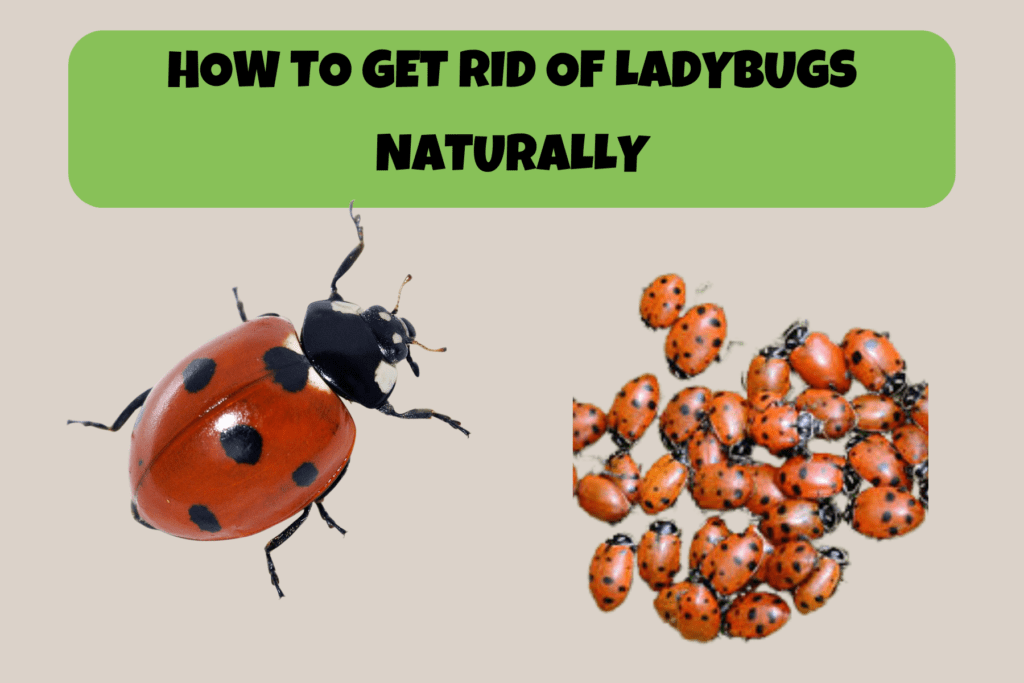
If you’ve ever walked into a sunlit room on a cool afternoon and noticed small red or orange beetles crawling on your windowsill, then you’re already familiar with the strange combination of charm and nuisance that ladybugs bring.
And in the beginning, they seem so adorable: Living decorations. But that warm embrace of nostalgia dissipates quickly when you see a bunch of them marching across the wall like it’s their home, not yours.
One winter, I recall pulling open my bedroom curtains and encountering what appeared to be a ladybug sleepover in the corner of the window frame. They were all huddled together, as if they were having a story-swap.
I wasn’t quite so excited — particularly when some of them began hovering around my lamp like tiny orange helicopters.
That’s when I learned:
Ladybugs aren’t always lucky.
Other times, they are stubborn houseguests who refuse to leave.
Let’s dig in to who they are, if they’re harmful, why you have them and and how to get rid of them naturally & effectively, without turning your home into a bug battlefield.
What Exactly Is a Ladybug? And Are They Poisonous ?
Here’s something many people don’t know:
Ladybugs aren’t truly “bugs.” They’re beetles.
Are they poisonous?
Not to humans.
They don’t have venom, and they can’t seriously harm you.
But they do release a yellow, smelly fluid when stressed — called “reflex blood.” It’s not deadly, but it can stain fabrics and irritate sensitive skin or trigger allergies.
Pets usually stay safe too, though dogs or cats that eat many ladybugs may experience mild stomach upset.
So no — ladybugs aren’t poisonous, but they’re definitely unpleasant if crushed.
Why Are They Even Called “Ladybugs”?
The name “ladybug” goes all the way back to European farmers in the Middle Ages.
According to old stories, crops were being destroyed by pests. Farmers prayed to the Virgin Mary for help — and soon, these small red beetles appeared and began eating the plant-destroying insects. People started calling them “Our Lady’s Beetles.”
Over time, that evolved into:
- lady beetle
- ladybird
- ladybug
Different countries still use different names.
What Do Ladybugs Eat?
This is the part that makes gardeners love them.
Ladybugs eat:
- aphids (their favorite food!)
- mites
- whiteflies
- scale insects
- small soft-bodied pests
One ladybug can eat up to 5,000 aphids in its lifetime.
That’s why they’re considered natural pest control helpers.
But here’s the twist:
The ladybugs that invade homes are often not the same ones protecting your garden.
Which brings us to…
Ladybug vs. Lady Beetle: What’s the Difference?
You’ve probably heard both terms. Sometimes even scientists switch between them.
Here’s the simple version:
Ladybug
- Common name used mainly in the US
- Refers to harmless, beneficial beetles
- Usually native species
Lady Beetle
- More accurate scientific name
- Includes all beetles from the Coccinellidae family
- Covers both native and invasive species
The ones causing home infestations are usually Asian lady beetles, not true ladybugs.
Ladybird vs. Ladybug: Are They Different?
No — it’s just a regional difference.
- Ladybird is used in the UK and many parts of Europe.
- Ladybug is used mostly in the US.
They mean the exact same thing.
Meet the Trouble-Maker: Asian Lady Beetles
The beetles that gather inside your home in winter are almost always Asian lady beetles (Harmonia axyridis). They were introduced to help farmers but became invasive.
They behave differently from native ladybugs:
- They gather in large groups
- They enter homes to overwinter
- They release a strong odor
- They can bite lightly
Native ladybugs rarely do any of that.
Asian Beetle vs Ladybug: Who’s Who? Spot the Difference
Why Ladybugs Invade Homes
Ladybugs — especially Asian lady beetles — look for warm, sheltered places to survive winter. And your home, with its heated rooms and sunny walls, feels perfect to them.
They sneak in through:
- window cracks
- attic vents
- siding gaps
- roof edges
- small openings in walls
They’re not looking for food — just a cozy spot to nap until spring.
Are Ladybugs Dangerous in the House?
They don’t destroy wood.
They don’t eat your food.
They don’t chew wires or damage furniture.
BUT they can:
- leave yellow stains
- trigger allergies
- cause mild bites
- produce bad smells when crushed
- create large, persistent clusters
So while they won’t ruin your home, they can ruin your peace.
How to Get Rid of Ladybugs without harsh chemicals
Below are simple methods that actually work — no harsh chemicals needed.
1. Vacuum Them Gently (Best for Large Clusters)
Use:
- a shop vac, or
- a regular vacuum with a bag
Place a thin sock inside the hose to collect them gently.
Then release them outside, far from the house.
This prevents bad smells and stains.
2. Make a Citrus Repellent Spray
Ladybugs dislike citrus scents.
Mix:
- 2 cups water
- 10–15 drops citrus oil
- 1 tsp white vinegar
Spray it around doors, windows, and corners.
3. Use Diatomaceous Earth (For Stubborn Areas)
Sprinkle lightly around entry points.
It’s natural and works by drying out beetles that crawl through it.
4. Set Up Light Traps
Ladybugs are drawn to bright light.
A simple LED bug trap works wonderfully at night.
5. Seal All Entry Points (Long-Term Prevention)
This is the real solution.
Seal:
- cracks
- door gaps
- loose screens
- attic openings
It’s a one-time fix that stops seasonal invasions.
Types of Ladybugs (Most Common Worldwide)
There are over 5,000 species of ladybugs. Here are the ones you’re most likely to see:
1. Seven-Spotted Ladybug
Bright red with seven bold black spots.
Common in Europe and North America.
2. Asian Lady Beetle
Orange, red, or yellow with many spot variations.
Often invades homes.
3. Two-Spotted Ladybug
Red with two large black spots.
4. California Ladybug
Bright red, famous for its rounded shape.
5. Fourteen-Spotted Ladybug
Yellow or black with square-like spots.
6. Pink Spotted Ladybug
Soft pink color with black spots — very unique.
7. Orange Ladybug
Often mistaken for Asian beetles.
Each species behaves slightly differently, but the ones entering homes are nearly always Asian lady beetles.
10 Fun and Surprising Facts About Ladybugs
- Ladybugs can eat their weight in aphids every day.
- Their bright colors warn predators: “Don’t eat me — I taste bad!”
- Ladybugs can play dead when scared.
- They can lay up to 1,000 eggs in their lifetime.
- Some ladybugs don’t have spots at all.
- They beat their wings 85 times per second while flying.
- They live about 1–2 years.
- They smell through their feet.
- They are considered symbols of luck in many cultures.
- Asian lady beetles come in more colors than native species — red, orange, yellow, and even tan.
Ladybugs Outdoors: Friends of the Garden
In the garden, ladybugs are tiny superheroes.
Their appetite for plant pests makes them natural pest controllers.
So the goal isn’t to destroy them — just to keep them outside, where they’re helpful.
Garden Pests: Spot, Prevent & Control Naturally
FAQs About Ladybugs
1. Why do ladybugs gather inside homes?
They’re looking for warm places to spend winter.
2. Are ladybugs poisonous?
No, but they release a yellow fluid that can irritate skin and stain surfaces.
3. Do ladybugs bite?
Native ones rarely do.
Asian lady beetles can give a mild pinch.
4. Are they harmful to pets?
Only if eaten in large numbers — usually just mild stomach upset.
5. How do I stop them permanently?
Seal cracks, close gaps, and use natural repellents in autumn.
Final Thoughts
Ladybugs are beautiful outdoors and surprisingly bothersome indoors.
But with a little understanding — and a few practical tricks — you can keep your home ladybug-free without harming them.
They’re helpful creatures, just not great housemates.