
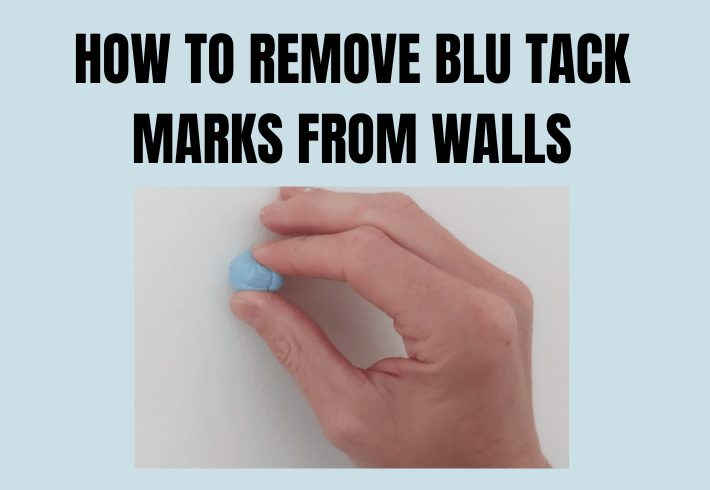
There is a ridiculous feeling of relief when you have Blu Tack. No nails, no drills, no damage — or so it appears. You can stick posters, photos, kids’ art or knickknacks up and everything looks great. And then one day you take it away … and there she is. One greasy, yellowish spot taunting you from the wall it’s mocking your effort.
If you have ever lived in a rented home, decorated the room of a kid or two (or maybe just like to constantly update your wall decor), then you’ve probably encountered this dilemma. Here’s the good news: most Blu Tack marks can be removed with ease if you know what to use (and also what not to) in order to make things better.
This guide features practical real-life fixes that you can actually do.
Why Blu Tack Leaves Greasy Marks on Walls
Blu Tack is soft and sticky because it contains oils and resins. These oils slowly seep into the wall surface, especially if the wall paint is porous. At first, the mark may be invisible, but over time it turns into a yellow or brown patch.
Paint type matters a lot.
Flat or matte paint absorbs oil easily, which is why Blu Tack stains show up fastest there. Eggshell paint does slightly better. Satin and semi-gloss paints resist stains much more because they’re smoother and less porous.
Heat also plays a role. Warm rooms, sunlight, or walls near heaters make Blu Tack softer, allowing oils to spread faster. That’s why marks are worse in summer or sunny rooms.
Fresh paint is another risk. Paint needs time to fully cure. If Blu Tack is applied too soon, the oil sinks in deeper and stains faster.
First Thing to Try: Use Fresh Blu Tack
This sounds strange, but it works surprisingly well.
Take a fresh piece of Blu Tack, roll it into a soft ball, and gently dab or roll it over the stain. The fresh tack sticks to the old oily residue and lifts it right off the wall.
You’ll actually see the clean Blu Tack turn dirty—that’s how you know it’s working.
This method works best on:
- Light stains
- Recent marks
- Smooth walls
It’s always the best first step because it doesn’t involve liquids or chemicals.
Dish Soap and Water: The Safest Everyday Fix
If the mark is still visible, move on to dish soap.
Mix a few drops of grease-cutting dish soap into warm water. Use a soft cloth, dip it in the solution, and wring it out well. The cloth should be damp, not dripping.
Gently dab the stain, don’t scrub. Let the soap sit for about 30 seconds so it can break down the oil. Then blot with a dry paper towel.
Repeat if needed. Many Blu Tack stains disappear completely with just soap and patience.
This works especially well if you catch the stain early.
Cornstarch Trick for Oily Marks
If the stain looks greasy or shiny, cornstarch can help.
Sprinkle a little cornstarch directly on the mark and leave it for about 30 minutes. The powder absorbs oil from the paint surface. Brush it off gently, then clean the area with soap and water.
This trick is great for walls where you don’t want to use strong liquids.
Vinegar or Citrus for Tougher Stains
When soap alone isn’t enough, mild acids can help cut through grease.
Mix white vinegar and water in equal parts. Dab it onto the stain with a cloth and let it sit for a few minutes. Blot gently, then rinse with clean water and dry.
Lemon juice works the same way.
Always try this first in an hidden spot, especially on glossy paint or wallpaper.
Strong Solutions for Old, Stubborn Marks
Some Blu Tack stains are old and deeply set. These need stronger help, but caution is important.
Products like chewing gum remover or Blu Tack-specific cleaners work well because they’re made to dissolve sticky residue. Apply a small amount to a cloth, dab the stain, then wipe clean.
Rubbing alcohol also works, but it can damage paint if overused. Use it only as a last option and always test first.
Cleaner Comparison Table
| Cleaner Type | Best For | Risk Level | Test First? |
| Soap & Water | Light marks | Low | No |
| Vinegar / Citrus | Medium grease | Medium | Yes |
| Gum Remover | Old stubborn stains | Medium | Yes |
| Rubbing Alcohol | Last resort | High | Yes |
Using Heat to Loosen Blu Tack Residue
Oily residue can be loosened with heat, and may come off more easily.
Use a hairdryer on low heat, holding it about 6–10 inches away. Warm the area for a minute, then roll fresh Blu Tack over it or dab with a cloth.
For surfaces that are on the very flat side, you can also try putting parchment paper over the spot and running an iron over it swiftly on medium heat (no steam). Caution: Paint can be ruined by excessive heat.
What If Your Wall Is Wallpaper or Delicate Paint?
Wallpaper needs extra care. Avoid water if possible.
Start with dry methods like fresh Blu Tack or talcum powder. Use a dry microfiber cloth to dab gently. Liquids can cause ink bleed or peeling, especially on thin wallpaper.
Silk or textured wallpaper is very delicate—testing first is essential.
When Cleaning Leaves Shiny Patches
Sometimes the stain goes away, but the cleaned area looks shiny or dull compared to the rest of the wall.
If that happens:
Lightly sand the spot with 220-grit sandpaper, apply a stain-blocking primer like Zinsser Gardz, and repaint with thin coats.
Painting without primer won’t work—the oil will bleed through again.
Tools You’ll Actually Need
You don’t need fancy supplies. Most people already have everything.
A few soft cloths, dish soap, paper towels, cornstarch, a plastic card, and a hairdryer are usually enough. The whole setup costs less than a takeaway meal.
Avoid harsh scrubbers and strong solvents unless absolutely necessary.
How to Prevent Blu Tack Marks in the Future
Warm the Blu Tack in your hands before using it.
Use smaller amounts—more isn’t better.
Avoid leaving it up for months at a time.
Keep it away from heat and sunlight.
For long-term hanging, Command strips or hooks are much safer. White or low-oil tack versions also stain less than the classic blue ones.
Step-by-Step Master Method (Fastest Results)
- Roll fresh Blu Tack to lift residue.
- Apply cornstarch for oily marks and wait 30 minutes.
- Dab gently with soap and water.
- Use vinegar only if needed.
- Apply heat for stubborn spots.
- Prime and repaint only if shine appears.
Most walls can be fixed in under 20 minutes.
Sanded Veneer by Mistake? Simple Repair Guide
Bonus: Blu Tack on Carpet?
Freeze it with an ice pack for 10 minutes.
Scrape gently.
Blot with soapy water.
Vinegar helps remove remaining grease.
Frequently Asked Questions
Does rubbing make Blu Tack stains worse?
Yes. Rubbing spreads oil deeper into the paint. Always dab and blot gently.
Is vinegar safe on all walls?
It’s safe on most, but glossy or fresh paint can react. Always test first.
Can I paint over Blu Tack stains?
Not without primer. Oil will bleed through. Use a stain blocker first.
Does fresh Blu Tack really remove old marks?
Surprisingly, yes. It’s often the easiest and safest first step.
Are Magic Erasers safe?
They work but are abrasive. Use lightly and only if other methods fail.
Final Thoughts
Blu Tack stains look scary, but they’re usually fixable with patience and the right approach. Start gently, avoid scrubbing, and work step by step. Most walls don’t need repainting—just a little know-how.
Once you’ve dealt with it once, you’ll never panic over Blu Tack marks again.