
Radiata pine is one of those woods that you’ve probably used without even knowing it. It’s in the houses, furniture, fences, shelves and even paper products. If you’ve ever worked with wood, the odds are that radiata pine has passed through your hands.
The thing about this wood isn’t luxury or scarcity. It’s usefulness. Radiata pine is cheap, friendly to work with and in abundant supply, which is why builders and woodworkers use tons of it.
This guide will introduce you to radiata pine —what it is, what it looks like, where it works best, and when you should (and shouldn’t) use it.
What Is Radiata Pine?
Radiata pine, also called Monterey pine, comes from the tree Pinus radiata. It originally grew along a small stretch of California’s coastline, but today it’s grown in large plantations across the world.
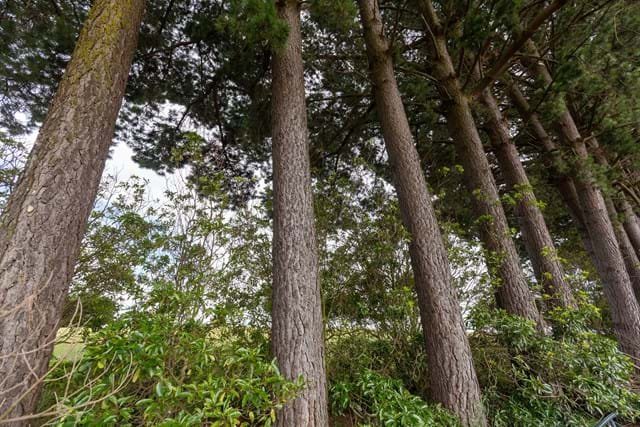
In particular, New Zealand, Australia, Chile and South Africa produce this wood in huge quantities. Here’s the simple reason: It grows quickly and straight, and it’s ready to harvest in about 25 to 30 years.
Radiata pine is a much faster and easier producer than the other hardwood trees that take 60 to 100 years to mature.
Why Radiata Pine Is Grown Everywhere
It adapts very well to plantation farming. It likes mild weather, handles wet winters, and grows quickly in managed forests.
Because of this, entire construction and timber industries depend on it. In some countries, radiata pine makes up the majority of all building timber used in homes.
Another big advantage is consistency. Plantation-grown trees produce wood that is predictable in size, strength, and quality, which builders prefer.
How Radiata Pine Looks
It is a clean looking wood that compliments most styles.
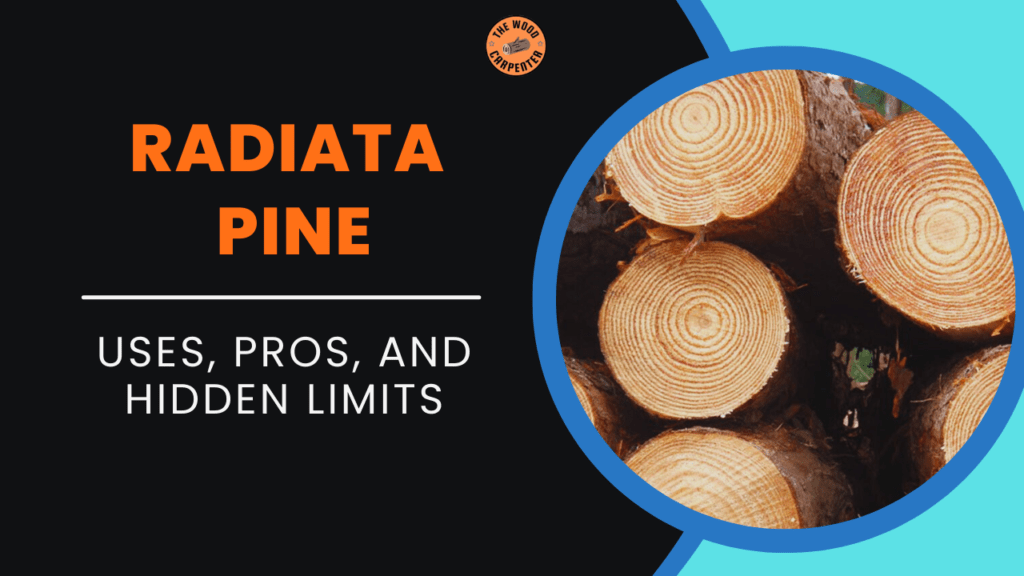
The color is usually light—ranging from pale cream to soft yellow or light brown. In most plantation-grown wood, the heartwood and sapwood look very similar, which gives it an even tone.
The grain is primarily straight to slightly porous, with clearly visible annual growth rings. Since the tree is a fast growing species, these rings are frequently broad. You might also notice some tiny dark lines or dots on the top.
These are natural resin canals and are normal for pine.
Altogether it is not a particularly dramatic wood, but neat, bright and simple to finish.
Strength, Weight, and Stability
It is considered a light to medium-weight softwood. You can lift and handle it easily, which makes it popular on job sites and in home workshops.
It’s not as hard as oak or teak, but it’s strong enough for:
- House framing
- Furniture frames
- Shelving
- Cabinets
Radiata pine can move slightly with moisture changes, especially if it’s not dried properly. Kiln-dried boards are more stable and should always be used for indoor projects.
Durability: What You Must Know
This is important: radiata pine is not naturally durable.
If you were to put untreated radiata pine outside, directly in contact with rain or the soil, it would rot quite fast. Insects can also damage it.
The good news is that it takes treatment chemicals very well. After being pressure-treated it is fit for outdoor use, like decks, fences and garden structures.
Indoors, in dry conditions, untreated radiata pine performs perfectly fine for decades.
Different Types of Radiata Pine
Radiata pine is sold in different qualities depending on how the trees were grown and processed.
Standard radiata pine is the most common and is used for construction and general woodworking.
Pruned radiata pine is higher quality. Branches are removed early in the tree’s life, resulting in wood with few or no knots. This type is preferred for furniture and interior finishes.
Structural grades are strength-rated and used for framing, beams, and load-bearing parts of buildings.
How It Performs in the Workshop
It is one of the best woods to start with, even for beginners.
It cuts smoothly, planes well, and sands without much effort. Screws and nails hold well, especially if you drill small pilot holes near edges.
Glue holds very well if you have it clamped right.
One small issue is resin. A few boards may ooze gummy sap, especially around knots. It is easy to close that up before doing the finish work.
Radiata Pine: Pros and Cons
Advantages
Low Cost
Radiata pine is much cheaper than most hardwoods. This makes it a good choice for big projects and tight budgets.
Fast Growing Tree
It grows fast and is ready in about 25 to 30 years. Because of this, it is more eco-friendly than slow-growing trees.
Easy to Work With
The wood is soft, so it is easy to cut, shape, nail, and screw. It does not split easily. This makes it great for DIY work and construction.
Takes Treatment Very Well
Radiata pine absorbs paint, stain, and chemical treatment easily. This helps improve its life and appearance.
Easy to Find
It is grown in many countries, especially New Zealand, Australia, and Chile. So, supply is steady and reliable.
Light in Weight
Because it is lightweight, it is easy to carry, move, and install. This also helps reduce labor effort.
Environment Friendly
It is grown in plantations and replanted after cutting. This makes it a sustainable wood choice.
Good for Building Work
It is strong enough for framing, roof supports, and general construction when used correctly.
Disadvantages
Not Very Durable Naturally
Radiata pine does not resist insects, rot, or moisture on its own. It must be treated before outdoor use.
Can Warp Easily
Changes in moisture can cause the wood to bend, twist, or curve if it is not dried or stored properly.
Soft Wood Problems
Because it is soft, it dents and scratches easily. It is not good for heavy-use floors or hard furniture.
Many Knots
Lower-grade boards often have large knots. These can weaken the wood and affect how it looks.
Simple Appearance
The grain and color are plain. It does not look rich like oak, walnut, or mahogany.
Sticky Resin
Some boards release sticky sap. This can cause problems during finishing if not sealed.
Poor Outdoor Performance Without Treatment
If left untreated outside, it will break down quickly.
Less Strong Than Hardwoods
It is not as strong as hardwoods, so it is not suitable for heavy-duty use.
Common Uses of Radiata Pine
It is used almost everywhere.
In construction, it’s used for wall studs, roof trusses, floor joists, and beams.
In furniture, it’s used for tables, beds, wardrobes, cabinets, and shelves.
When treated, it’s used outdoors for decks, fences, pergolas, and garden beds.
It’s also a major raw material for plywood, engineered wood, packaging, and paper products.
Not Recommended For
Avoid radiata pine for:
- Outdoor furniture without treatment
- High-traffic flooring
- Premium furniture and cabinets
- Jobs that need very strong, long-lasting wood
- Marine or coastal use without heavy treatment
Finishing Radiata Pine
Radiata pine takes finishes very well.
Paint looks smooth and clean on it, especially after priming. This makes it a favorite for painted furniture and trim.
Staining also works, but using a pre-stain conditioner helps avoid patchy color. Clear finishes like oil or varnish bring out a warm, natural tone.
Knots should always be sealed first to stop resin from bleeding through paint or polish.
Sustainability and Environmental Impact
The Radiata pine variety is also known to be one of the sustainable types of wood on the market today.
It’s also grown in controlled plantations, not wild forests. The trees are fast growing, quick to absorb carbon and replanted after being cut down.
To use responsibly sourced woods, check for FSC or PEFC certification, which ensures ethical forestry standards.
Radiata Pine Compared to Other Woods
Radiata pine is easier to work with than many other pines and usually cheaper than Douglas fir or hardwoods.
It may not be the strongest or most durable wood by nature, but its balance of price, availability, and usability makes it extremely practical.
Frequently Asked Questions
Is radiata pine good quality wood?
Yes. It is dependable, inexpensive and works well under the right condition.
Is radiata pine good for furniture?
Yes, particularly for indoor furniture and painted items.
Does radiata pine need treatment?
Only for outdoor or damp environments.
Why is radiata pine so popular?
Because it’s fast-growing, sustainable, easy to use, and widely available.
Final Thoughts
Radiata pine is not a luxury wood, and it doesn’t try to be. Its strength lies in practicality. It’s easy to work with, cost-effective and can be easily integrated into a variety of projects.
If you select the correct grade and section you’ll get excellent results with radiata pine. It’s the reason builders, carpenters and homeowners around the world are coming back to it, time and again.
If you’re looking for a wood that fulfills its purpose without breaking the bank or complicating things, then radiata pine makes for tough competition.