
Last Updated on August 14, 2026 by Sam Wood Worker
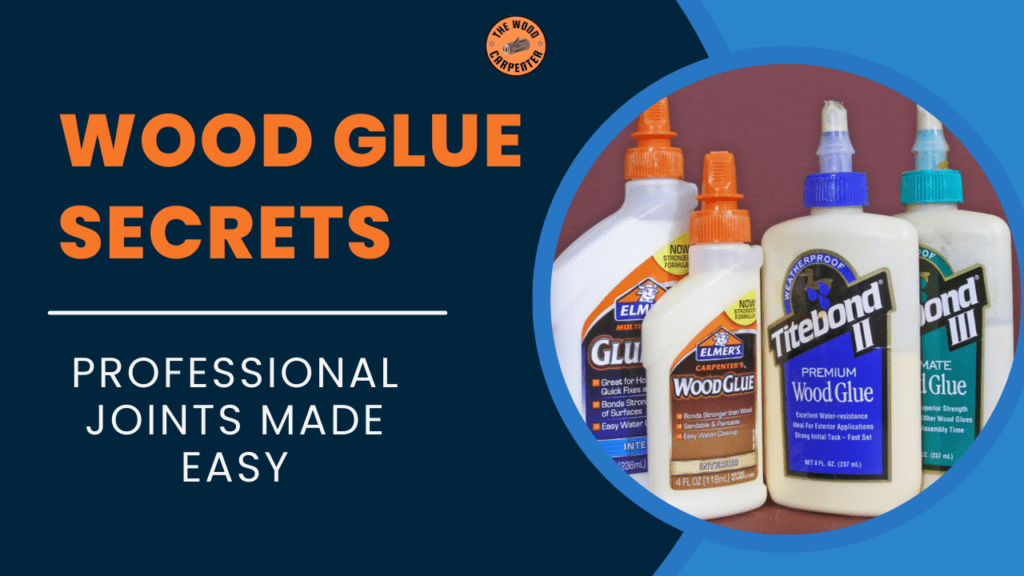
Wood glue is to woodworking as water is to life. It transforms pieces of free wood into sturdy furniture, doors, carvings and repairs that can last for decades. When properly applied, wood glue can create joints that are stronger than screws or nails.
You’d think glue is just glue, but the choice of wood glue and how you apply it can make a world of difference.
This guide explains everything, so anyone can understand how wood glue works and how to use it with confidence.
What Makes Wood Glue Different?
Wood glue is specially made for wood. Unlike most general-purpose glue that stays on the surface, wood glue penetrates the fibers of your workpiece and creates a durable bond. Wood has tiny pores, and the glue flows into them like water into a sponge.
As the glue sets, it solidifies in these pores and interlocks the wood fibers with one another. This provides mechanical retention as well as a chemical bond. Because of this deep connection, wood usually breaks before the glue joint does.
Modern wood glues are much cleaner and easier to use than old traditional glues made from animal hides or milk proteins. Thanks to today’s formulas, they dry faster, hold steadier and are safer to touch.
How Wood Glue Bonds Wood
When you apply wood glue, it slightly wets and swells the wood fibers. This helps the pieces press tightly together. As the water in the glue slowly evaporates, the glue hardens and forms strong links with the wood’s natural structure.
Clamping is important because it pushes the wood surfaces close together and squeezes out extra glue. A properly glued joint has very little glue left in the middle—just enough to lock the fibers together.
Most wood glue reaches good holding strength within an hour, but full strength usually takes about 24 hours.
Types of Wood Glue and Their Best Uses
PVA Wood Glue (Yellow Glue)
PVA wood glue is the woodworking glue of choice. It’s powerful, convenient to use and ideal for indoor woodworking projects such as furniture, cabinets as well as any other types of general woodwork.
It usually dries clear or slightly yellow, starts to set in about 30 minutes, and reaches full strength after 24 hours.
This glue is forgiving meaning you have a little bit of time to fiddle with pieces before things set. It also cleans up easily with water while still wet. When used correctly, the glued joint can be even stronger than the wood.
Polyurethane Glue
Polyurethane glue expands as it dries, which helps it fill small gaps between wood pieces. It creates very strong bonds and is highly resistant to water. This glue also works on materials other than wood.
It is a good choice for outdoor furniture, cutting boards, and projects exposed to moisture. However, it can be messy because of its expansion, and once it dries on your hands or tools, it is hard to remove.
Hide Glue
Hide glue is an animal-based traditional glue that has been in use for centuries. It remains in vogue for old furniture and musical instruments.
One special feature of hide glue is that it can be softened again with heat and moisture, allowing future repairs without damaging the wood.
While it requires more prep work and has a shorter working time, it’s great for valuable or antique pieces which may require restoration later.
Epoxy
Epoxy is not what most people would consider a wood glue, but it’s powerful and can be useful. It’s capable of bridging large gaps, is fully waterproof and can adhere wood to metal, plastic or other surfaces.
Epoxy is commonly employed for outdoor construction and repairs, and in the manufacture of boats, aircraft, golf clubs and other sporting equipment. It’s comprised of two parts that have to be mixed before applying. That’s more effort but the good and long results are worth it.
Different wood glues are made for different situations. Knowing which one to use saves time and prevents failures.
| Type | Best Use | Water Resistance | Clamp Time | Cleanup |
| PVA (Titebond I, II, III) | Furniture, cabinets, shelves | Type I: Low, Type III: High | 30–60 minutes | Water |
| Polyurethane (Gorilla) | Outdoor work, uneven joints | Excellent | 1–2 hours | Damp cloth |
| Hide Glue | Antiques, instruments | Low | Heat activated | Warm water |
| CA (Super Glue) | Quick small fixes | Moderate | Seconds | Acetone |
| Epoxy | Wood with metal or plastic | Superior (waterproof) | 4–24 hours | Solvent |
For most indoor woodworking, PVA wood glue is the best and easiest choice.
Best Projects for Wood Glue
Wood glue is used in almost every woodworking project. It works well for edge joints on tabletops, frame corners, chair joints, cabinet boxes, and shelves.
Outdoor furniture and garden projects need waterproof wood glue, such as Type II or Type III PVA. These glues resist rain, humidity, and temperature changes.
Wood glue is also popular because it allows clean builds without visible screws or nails. Many professional woodworkers rely on glue alone for strong, long-lasting joints.
Wood Glue vs Epoxy vs Super Glue
Each adhesive has its place, but they work very differently.
| Aspect | Wood Glue (PVA) | Epoxy | Super Glue |
| Strength | Stronger than wood | Very strong, gap-filling | Fast but brittle |
| Working Time | 5–15 minutes | Minutes to hours | Seconds |
| Best Use | Wood-to-wood | Mixed materials | Small smooth parts |
| Cost | Affordable | Higher | Cheap |
| Cleanup | Easy with water | Messy | Difficult |
Wood glue is best for tight wood joints. Epoxy is better when gaps exist or when bonding wood to metal or plastic. Super glue is only good for quick, small repairs.
How to Apply Wood Glue Correctly
Start by dry-fitting the pieces to make sure everything lines up. Sand lightly so the surfaces are clean and smooth, but not polished.
Apply an even layer of glue. Too much glue makes a mess and weakens joints. Too little glue leaves dry spots. The goal is full coverage, not thickness.
Clamp the joint firmly, but do not over-tighten. You should see a thin line of glue squeeze out. Wipe away excess glue while it is still wet.
Keep the clamps in place for a minimum of 30–60 minutes and do not subject the joint to stress until the next day.
Safety and Storage Tips
Most wood glues are safe to use, but basic care is still important. Avoid skin and eye contact. Wash hands after use.
Polyurethane glues need ventilation because their fumes can irritate lungs. When sanding dried glue, wear a mask to avoid breathing dust.
Store wood glue in a cool, dry place. Freezing ruins most PVA glues. Properly stored, unopened wood glue lasts about 1–2 years.
Common Wood Glue Mistakes to Avoid
Using too little glue causes weak joints. Not clamping properly leaves gaps. Rushing the curing time often leads to failure later.
Cold temperatures slow drying and weaken bonds. Dirty or oily wood surfaces prevent glue from soaking in properly.
If a joint fails, the best fix is to clean it, re-sand, and glue again correctly.
Strengths and Weaknesses of Wood Glue
Wood glue is easy to use, affordable, strong, and finish-friendly. Waterproof types handle kitchens and outdoor use well.
Its limitations are exposed only when you try to bond non-wood materials or fill larger gaps. It requires clamping and sufficient time to cure as well.
Frequently Asked Questions
Is wood glue stronger than screws?
Yes. In tight wood joints, glue often holds better than screws and leaves no visible holes.
How long should wood glue dry?
It holds in 1 hour, but full strength requires 24 hours.
Is all wood glue waterproof?
No. Only Type II and Type III wood glues are water-resistant or waterproof.
Can wood glue be painted or stained?
Yes. After it cures, you can sand it smooth and paint/stain it.
How long does opened wood glue last?
Typically 1-2 years if kept sealed and stored properly.
Final Thoughts
Wood glue might seem ordinary, but it is one of the most powerful and dependable methods you can use to attach wood. When you select the proper type and use it properly your projects are made stronger, cleaner and longer lasting.
For most projects, you’re fine with a good PVA wood glue. Add waterproof or specialty glues only when the job demands it. You’ll be amazed at how much better your woodworking results will look with a bit of glue and patience.