
Last Updated on June 8, 2026 by Sam Wood Worker
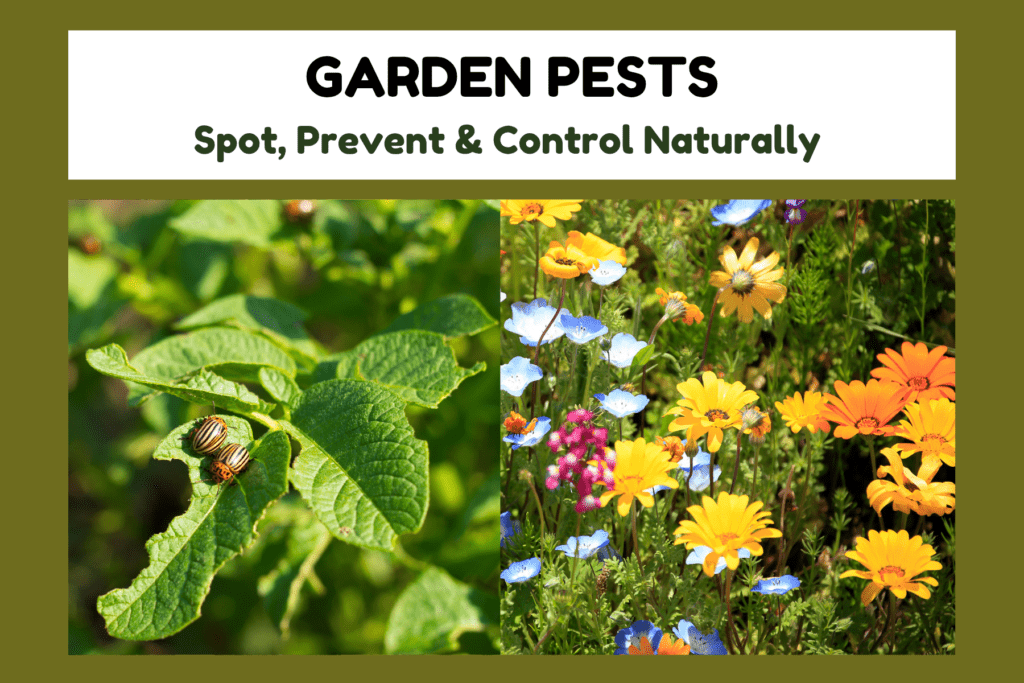
The Hidden Battle in Every Garden
When we look at a garden, we usually see the pretty things—bright flowers, green leaves, butterflies flying around. But behind this beauty, there is always a silent battle going on. Plants, pests, and helpful insects are all interacting with each other every single day. Under the soil, tiny organisms are working, and above the ground, different insects are busy doing their jobs.
Understanding this hidden world is the key to growing a healthy garden without depending on strong chemicals.
Why Pests Are a Natural Part of Gardening
Most of us think pests are the “bad guys.” But the truth is, pests are simply part of nature. Wherever plants grow, insects will follow. They feed on leaves, stems, roots, and fruits because that’s their place in the food chain.
So having some pests in your garden actually shows that your garden is alive and balanced.
Problems start only when pests become too many. And this usually happens when:
- We use too many chemical sprays
- There is not enough variety of plants
- The garden loses its natural predators like ladybugs or spiders
Chemical pesticides kill everything—both harmful pests and beneficial insects. Harmful insects multiply faster and come back quickly, but their natural predators take longer to return. This creates an unhealthy cycle.
A truly healthy garden welcomes all forms of life. Your goal is not to wipe pests out completely, but to keep their numbers under control using natural methods.
Also read:
No Chemicals Pesticides: 7 Natural Pest Hacks that Works
Harmful Pests vs. Beneficial Insects: Knowing the Difference
Not all insects want to destroy your plants. Many are hardworking helpers that keep your garden alive and productive.
Harmful Pests
These insects damage plants by sucking sap, chewing leaves, or spreading diseases. Common examples include:
- Aphids
- Caterpillars
- Mealybugs
- Whiteflies
They grow fast and can weaken plants, reduce growth, and invite more problems.
Beneficial Insects
These are the “good guys” you want in your garden. They help with:
- Pollination
- Eating harmful pests
- Keeping the soil healthy
Examples include:
- Ladybugs (aphid eaters)
- Lacewings
- Hoverflies
- Parasitic wasps
- Bees and butterflies
- Ground beetles
- Predatory spiders
When you recognize which insects help your garden, you stop reaching for harsh chemicals. Instead, you might plant flowers that attract ladybugs or keep some mulch for beetles to hide in.
Knowing your garden’s insects is the first step toward natural, chemical-free gardening.
Ultimate Guide to Home Gardening: Everything You must know
Asian Lady Beetles Problem? Try These 8 Proven Fixes!
How Understanding Insects Helps You Protect Your Garden Naturally
When you start observing insects closely, pest control becomes easier—and more natural. You begin to notice which plants attract pests, which pests appear during certain seasons, and which helpful insects visit your garden.
Life cycles matter
Many pests have certain stages where they are easier to control. For example:
- Beetle or moth larvae can be managed in the soil
- Aphids can be controlled early before they form colonies
Using natural predators or organic solutions at the right time can break the pest cycle without harming the ecosystem.
Plant diversity protects your garden
A mixed garden—vegetables, flowers, herbs—creates stronger protection. Pests find it harder to spread through a diverse garden.
For example:
- Marigolds help repel soil pests
- Basil can keep away flies and mosquitoes
- Flowering herbs attract beneficial insects
When plants support each other, your whole garden becomes healthier, stronger, and more balanced.
What This Guide Will Help You Learn
This guide will turn you into a more aware, eco-friendly gardener. You will learn how to work with nature instead of fighting against it.
1. Identification
You’ll learn how to spot both harmful pests and helpful insects. You’ll recognize signs on leaves, stems, and soil that tell you what’s happening.
2. Prevention
You’ll understand simple habits—like crop rotation, good soil care, and companion planting—that make your garden naturally resistant to pests.
3. Organic Control
You’ll explore safe options such as:
- Neem oil
- Homemade insecticidal soaps
- Biological controls like predator insects
These methods protect your plants without harming the environment.
4. Building Ecosystem Balance
Finally, you’ll learn how to create a biodiverse garden that supports wildlife, keeps pest numbers low, and grows naturally with minimal chemicals.
In the end, when you understand the small creatures living in your garden, you stop seeing them as enemies. Instead, you learn how they all play a role in keeping the garden alive.
With the right knowledge, the hidden battle inside your garden becomes less of a fight and more of a peaceful balance. Nature does most of the work—your job is simply to guide it in the right direction.
What Are Garden Pests and Why They Matter
Garden pests are tiny living creatures that weaken or damage plants, and knowing how they behave is one of the most important skills a gardener can have. They may be small and hard to notice at first, but the harm they cause can be big.
They can slow down plant growth, reduce your harvest, make leaves look unhealthy, and disturb the natural balance of your garden. Understanding what pests are, how they hurt plants, and how to spot the early warning signs will help you protect your garden before the damage becomes serious.
What Are Garden Pests?
Garden pests can be insects, mites, nematodes, or even small animals that feed on plants in a way that harms them. We call them “pests” not because they exist, but because their feeding habits cause stress, damage, or diseases in plants.
Some well-known garden pests include aphids, whiteflies, spider mites, caterpillars, beetles, mealybugs, scale insects, thrips, slugs, and snails.
Each type hurts plants differently. Caterpillars and beetles bite and chew, leaving holes behind. Sap-sucking pests like aphids drink the nutrients from the plant. Slugs and snails often feed at night and can wipe out young seedlings in a single evening.
Even a pest that seems harmless at first can become a serious problem when its population grows too quickly.
It’s also important to remember that not every insect in your garden is a pest. Many insects are actually helpful or completely harmless. A pest is defined by the damage it causes, not by its presence.
How Pests Harm Plants
Pests damage plants in several different ways, and sometimes a plant may suffer from multiple types of harm at the same time.
One common type of damage happens when pests chew the leaves, stems, or flowers. Caterpillars, beetles, and grasshoppers are known for this. They leave behind holes, uneven edges, or in severe cases, strip the plant of leaves entirely.
When a plant loses too many leaves, it cannot make enough food through photosynthesis. As a result, it may grow slowly or even die if the damage is extreme.
Another way pests harm plants is by sucking out their sap. Aphids, whiteflies, spider mites, and leafhoppers feed in this way. When large numbers suck sap from a plant, the leaves start to curl, yellow, or become distorted. Because the sap contains important nutrients, the plant becomes weak and struggles to grow properly.
Some pests attack the roots, which is even more dangerous. Root-feeding insects or nematodes chew on or infect the roots below the soil. Since roots absorb water and nutrients, any damage causes the plant to wilt or look nutrient-deficient, even if the soil is moist and fertile.
Root problems are harder to detect because they happen underground and are often noticed only after the plant becomes weak.
Many pests also spread diseases as they move from plant to plant. Aphids, thrips, whiteflies, and leafhoppers often carry viruses or bacteria.
A plant might survive feeding damage, but if it catches a virus from these pests, it may decline quickly. This makes some pests especially dangerous because they harm plants directly and also introduce diseases.
Common Signs of Pest Damage
Since garden pests are usually small and good at hiding, the first sign of trouble is often the damage they leave behind. Recognizing these early signs can help you act before the problem becomes too big.
Chewed leaves are one of the most obvious clues. When you see small holes, jagged edges, or missing chunks, it often means caterpillars or beetles have been feeding. If entire seedlings disappear overnight, slugs or snails may be the cause.
Yellowing patterns on leaves can also point to pest activity. Tiny yellow speckles usually mean spider mites or thrips are feeding by sucking sap. Larger yellow patches or yellowing between leaf veins often show prolonged sap loss.
A plant that wilts even when the soil is perfectly moist could be suffering from root damage. Damaged roots cannot absorb water properly, so the plant looks thirsty even though it isn’t. Slow growth, small leaves, and weak stems are also signs that pests may be feeding on roots or young shoots.
Sticky leaves are another big warning sign. When pests like aphids or whiteflies feed, they release a sugary liquid called honeydew. Leaves may look shiny or sticky, and ants often gather around to feed on this honeydew. Black, soot-like mold may also grow on the sticky surface, blocking sunlight and weakening the plant further.
Other clues include thin webs on the underside of leaves from spider mites, small bumps or shells stuck to stems from scale insects, tiny droppings near chewed holes, or tunnels inside leaves caused by leaf miners.
10 Common Garden Pests and How to Stop Them Naturally
Carpet Beetles: 9 Proven Ways to Get Rid of them Fast
Why It’s Important to Catch Pests Early
Spotting pests early can save your garden from major damage. Many pests multiply very fast. A few aphids can become hundreds in just a few days. If you miss the first signs, the infestation can grow quickly, leaving you with a bigger mess to fix.
When pests are caught early, simple actions are often enough to stop them. Removing a few affected leaves, spraying pests off with water, or hand-picking caterpillars can fix the issue without stronger treatments. This early action keeps the plant healthier, reduces stress, and allows it to recover before the damage becomes severe.
Acting early also helps protect beneficial insects—the helpful ones that naturally control pests. When you treat only the affected areas instead of the whole garden, you allow ladybugs, lacewings, and pollinators to continue doing their job.
Early detection also prevents pests from spreading. Once a pest moves from plant to plant, the problem becomes much harder to control. Regularly checking the underside of leaves, observing new growth, and inspecting wilting plants can help you stay one step ahead.
Types of Garden Pests
Garden pests come in many forms and can be categorized broadly based on how they feed on plants or where they cause damage. Understanding these categories helps gardeners identify and manage pests effectively. Here’s a detailed overview of the major types of garden pests with examples and explanations:
A. Chewing Pests (Eat Leaves and Stems)
Chewing pests physically bite off parts of the plant, often leaving visible holes or ragged edges on the leaves, stems, or fruits. Their feeding can defoliate plants and stunt growth.
- Caterpillars: Larval stage of moths and butterflies, caterpillars voraciously consume leaves and can strip entire plants if unchecked. Examples include tomato hornworms and cabbage worms, which are common vegetable garden pests.
- Beetles: Many beetles feed on foliage or fruit. For instance, Japanese beetles skeletonize leaves, leaving only veins behind.
- Grasshoppers: These pests chew irregular holes in leaves and can decimate crops during outbreaks.
- Weevils: These beetles often eat leaves or bore into stems and roots; their larvae develop inside plant tissues, causing internal damage.
B. Sucking Pests (Drain Plant Sap)
Sucking pests have specialized mouthparts that pierce plant tissue and draw out sap. This weakens plants, causes distorted growth, and can transmit diseases.
- Aphids: Small, soft-bodied insects often found clustered on stems or leaf undersides. They produce sticky honeydew which encourages mold growth.
- Whiteflies: Tiny white-winged insects that feed on the undersides of leaves, causing yellowing and weakening.
- Mealybugs: Covered with a white, waxy secretion, these pests suck sap and excrete honeydew, often infesting older plants.
- Spider Mites: Minute arachnids that create fine webbing. They puncture leaf cells, causing speckled discoloration and premature leaf drop.
C. Soil and Root Pests
These pests attack the underground portions of plants, damaging roots, bulbs, or tubers, which impairs water and nutrient absorption.
- Grubs: Larvae of beetles such as chafer or Japanese beetles, grubs feed on plant roots causing wilting and poor growth.
- Nematodes: Microscopic worms that invade root tissues, causing swelling, lesions, and reduced vigor.
- Cutworms: Caterpillar-like larvae that cut through young stems near the soil surface at night.
- Slugs and Snails: Mollusks that crawl on the soil surface and chew holes in tender seedlings and low leaves, often leaving a slimy trail behind.
D. Flying Pests
Flying pests can cause damage by feeding, laying eggs on plants, or spreading disease.
- Fruit Flies: Often attracted to ripening or decaying fruit, they lay eggs that develop into larvae feeding within the fruit.
- Leaf Miners: Larvae that burrow between leaf surfaces, creating winding tunnels visible as trails on leaves.
- Moths: Adult moths can lay eggs that hatch into caterpillar pests; some moth species also feed on plants as adults.
How to Get Rid of Leaf Miners Naturally – Complete Guide
Identifying Pest Damage: What Your Plants Are Telling
Plants communicate distress through many visible signs, and these signs often reveal that garden pests are present. Being able to notice these early warnings is one of the most important skills for any gardener.
When you understand what these signs mean, you can act quickly and protect your plants before the damage becomes severe. Below is a clear explanation of the most common signs of pest damage and what they usually tell you about the problem.
Also read:
How to Identify Pest Damage on Leaves: A Friendly Guide
Holes in Leaves: Likely Caterpillars or Beetles
Holes in leaves or missing pieces are one of the easiest signs to notice. This usually happens when chewing pests like caterpillars, beetles, grasshoppers, or weevils are eating the plant. Caterpillars, which are the young stage of butterflies and moths, can eat a surprising amount of leaves in a short time.
Some beetles, such as Japanese beetles, eat the soft leaf tissue and leave only the veins behind, making the leaf look like lace. Grasshoppers also make uneven holes and can chew both leaves and stems. Paying attention to the shape of the holes and the time of day the damage appears can help you figure out which pest is causing the problem.
Sticky Residue: Aphids or Whiteflies
When the leaves or stems of your plants feel sticky or shiny, it usually means sap-sucking insects such as aphids or whiteflies are feeding on the plant. These pests have tiny needle-like mouths that pierce the plant and drink its juices. As they feed, they release a sugary liquid called honeydew, which sticks to the plant.
This honeydew can attract a black fungus known as sooty mold, which blocks sunlight and makes it harder for the plant to grow. If you see sticky leaves, you can usually find small clusters of soft-bodied insects hiding on the undersides of the leaves or around new growth. This is a strong sign that the pest problem needs attention right away.
Wilting Despite Watering: Root Pests or Nematodes
Sometimes a plant wilts even when it gets enough water. This often means the problem is underground. Pests such as grubs and cutworms feed on the roots, making it difficult for the plant to absorb water and nutrients.
Nematodes, which are tiny worms that live in the soil, also attack the roots and cause swelling or damage that weakens the plant. When the roots are harmed, the plant may droop, turn yellow, or stop growing properly, even though the soil is moist.
Checking the soil around the base of the plant and gently examining the roots can help you confirm whether pests are responsible.
Discolored or Curled Leaves: Mites or Nutrient Issues
Leaves that turn yellow, develop spots, or curl strangely can be reacting to pests or nutrient problems. Spider mites, which are very small and hard to see, suck the juices from plant cells and create tiny light-colored spots on the leaves. If the infestation grows, the leaves may curl, dry out, or fall off.
Fine webbing on the plant is often a sign of spider mites as well. However, similar symptoms can also appear when the plant lacks essential nutrients or gets too much fertilizer.
To tell the difference, you need to carefully look for signs of pests, webbing, or eggs, and also think about whether the soil needs more nutrients or fertilizer adjustments.
Preventing Pests Before They Appear
Preventing pests before they appear is one of the best ways to keep your garden healthy and full of life. When you take simple steps early, you don’t need too many chemical pesticides, and your garden becomes a natural, balanced place where plants grow strong.
Let’s see about different prevention methods like improving soil health, rotating crops, giving plants enough space, keeping the garden clean, using protective covers, and choosing pest-resistant plants. Each method helps reduce pests in a natural, safe way.
How Healthy Soil Naturally Repels Pests
Healthy soil is the base of a strong garden. When the soil has plenty of organic matter, it becomes home to good insects and tiny organisms—like earthworms, fungi, and helpful microbes. These tiny workers improve the soil, help plants grow stronger, and naturally fight pests.
Plants growing in rich, balanced soil develop strong roots and are less likely to get sick or attacked by insects. Some beneficial soil organisms even eat harmful pests like nematodes and root-feeding insects.
To keep your soil healthy, you can:
- Add compost regularly
- Avoid over-tilling, because it disturbs helpful life in the soil
- Test your soil and add nutrients if needed
Healthy soil creates healthy plants—and healthy plants are naturally resistant to pests.
Crop Rotation Basics
Crop rotation means changing what you plant in each spot every season or each year. This simple method breaks the life cycle of many pests and diseases.
For example, if pests that love tomato roots stay in the soil, they will disappear if you plant something different the next year. They simply won’t find food and will die.
Rotating crops also improves soil health because different plants need different nutrients. Some plants have deep roots, some have shallow roots, and switching them keeps the soil balanced and fertile.
Proper Plant Spacing and Air Circulation
When plants are too close together, they create a humid, crowded environment. This is perfect for pests and fungal diseases. Insects like aphids, spider mites, and whiteflies multiply quickly in such conditions.
By giving your plants enough space, you allow fresh air to move around the leaves. This reduces moisture and makes it harder for pests to survive.
Proper spacing also makes it easier for you to check plants regularly and catch pest problems early.
Cleaning up Dead Leaves and Debris
Keeping the garden clean is a very effective way to prevent pests. Dead leaves, fallen branches, and old plant materials offer hiding places and breeding spots for insects like slugs, aphids, and other pests.
Many pests spend winter inside this debris and come out in spring to attack fresh plants.
To prevent this:
- Remove dead or decaying plant material
- Pull out weeds
- Clean garden beds regularly
If leaves or plants are infected, do not put them in regular compost. Dispose of them safely so pests and diseases don’t return.
Using Row Covers and Netting
Physical barriers like row covers and netting protect plants naturally by keeping insects away. They allow sunlight, water, and air to pass through, but pests cannot reach the plants.
Row covers help protect plants from:
- Aphids
- Whiteflies
- Moths (that lay eggs on leaves)
Netting is also useful to keep birds and larger pests away from fruits and vegetables.
These barriers work best when used early in the growing season before pests arrive.
Choosing Pest-Resistant Plant Varieties
Some plants are naturally resistant or specially bred to fight off certain pests. These plants may have strong leaves, natural chemicals that repel insects, or growth patterns that pests do not like.
You can find pest-resistant varieties in seed catalogs or gardening guides, especially for popular vegetables like:
- Tomatoes
- Beans
- Squash
Growing resistant varieties along with other prevention methods gives you a healthier garden with fewer pest problems.
Natural and Organic Pest Control Methods
Avoiding harsh chemical pesticides is crucial for sustainable gardening because these chemicals harm beneficial insects, disrupt soil health, and lead to long-term ecological imbalances.
In contrast, natural control methods like companion planting, homemade sprays, encouraging beneficial insects, and physical pest control provide safer, effective alternatives that gardeners love for promoting healthy gardens.
7 Companion Plants That Kick Pests Out — Naturally!
Why Avoid Harsh Chemical Pesticides
Chemical pesticides, although effective at killing pests, often have severe unintended consequences. They frequently harm non-target organisms like pollinators (bees and butterflies), natural pest predators (ladybugs, lacewings), and vital soil microorganisms that maintain soil fertility and plant health.
Multiple studies show pesticides contaminate soil, water, and vegetation, causing declines in beneficial insects and soil invertebrates such as earthworms, ants, and beetles, which are essential to nutrient cycling and soil structure.
Overuse can reduce biodiversity, harm wildlife, and cause pesticide resistance in pests, making problem control harder over time. Furthermore, these chemicals may leave harmful residues in foods and environments, raising health concerns for gardeners and consumers alike.
Natural Control Methods Gardeners Love
Gardeners increasingly prefer natural pest control methods that work with ecosystems and preserve biodiversity. These include:
A. Companion Planting
Certain plants naturally repel pests or attract beneficial insects, making them excellent partners in the garden.
- Marigolds release chemicals that repel nematodes and aphids, reducing soil-borne and foliar pest populations.
- Basil is known to deter flies and mosquitoes, keeping outdoor biting pests at bay.
- Garlic produces sulfur compounds that deter aphids, spider mites, and other sap-sucking insects.
- Mint confuses ants and beetles with its strong aroma, reducing pest infestations.
Companion planting enhances garden diversity, confuses pests, and boosts natural pest control without synthetic chemicals, while also often attracting pollinators.
B. Homemade Sprays
Several effective homemade sprays deter or kill pests safely, using ingredients commonly found at home.
- Neem oil spray is a botanical insecticide disrupting insect hormones and feeding, effective against aphids, mites, and whiteflies.
- Garlic and chili spray repels a broad spectrum of insect pests due to its pungent sulfur and capsaicin compounds.
- Soap water solution breaks down insect cell membranes, removing soft-bodied pests like aphids and mealybugs.
- Vinegar mix can deter ants and other crawling insects through acidity, when diluted properly to avoid harming plants.
These sprays are biodegradable, non-toxic to humans and pets when used correctly, and can be applied as needed for targeted pest control.
C. Beneficial Insects
Encouraging or introducing beneficial insects provides natural pest regulation and supports pollination.
- Ladybugs are voracious predators of aphids and other soft-bodied pests.
- Lacewings feed on spider mites, thrips, and whiteflies, often introduced as larvae for pest control.
- Praying mantises are generalist predators feeding on a wide variety of herbivorous insects.
- Bees and butterflies are invaluable pollinators that help increase fruiting and flowering in the garden, supporting healthy plant reproduction.
Maintaining habitat diversity with flowering plants and avoiding pesticides supports healthy populations of these allies, enhancing long-term pest control naturally.
D. Physical Control
Physical interventions remain among the most direct and chemical-free ways to reduce pests.
- Handpicking pests: Regularly inspecting plants and removing caterpillars, beetles, and slugs by hand prevents infestations from escalating.
- Traps: Beer traps attract and drown slugs, while sticky traps capture flying pests like whiteflies and fungus gnats.
- Garden netting and row covers prevent insect access to plants, blocking egg-laying or feeding by common pests without impacting pollinators if managed timing-wise.
Physical methods can be used alone or combined with other natural approaches for integrated pest management.
Chemical vs Organic Pest Control: What You Should Know
Chemical and organic pest control methods each have unique characteristics, advantages, and drawbacks that gardeners should understand to make informed decisions. This portion explains the pros and cons of chemical pesticides, when their use might be necessary, safer eco-friendly alternatives, and how to apply pesticides responsibly to protect both plants and the environment.
Pros and Cons of Chemical Pesticides
Chemical pesticides are substances designed to kill or deter pests, including insects, weeds, and fungi. They have been widely used in agriculture and home gardening due to their effectiveness.
Pros:
- Immediate and effective action: Chemical pesticides can quickly reduce or eliminate pest populations, saving plants from damage during severe infestations.
- Wide availability: They are readily available at garden centers and come in formulations targeting specific pests.
- Cost-efficiency for large-scale use: When used properly, they enable large farms to protect crops and maintain high yields, helping secure food supplies.
Cons:
- Harm to beneficial insects and wildlife: Chemical pesticides often kill non-target organisms, including pollinators like bees and natural pest predators such as ladybugs and lacewings. This disrupts ecological balance and can worsen pest problems by removing natural enemies.
- Damage to soil health: Repeated pesticide use harms beneficial soil microorganisms essential for nutrient cycling and plant health, leading to degraded, less fertile soil.
- Resistance development: Pests can develop resistance, requiring increasingly higher doses or newer chemicals, creating a pesticide treadmill.
- Environmental contamination: Runoff contaminates water supplies and soil, impacting aquatic life and accumulating in ecosystems.
- Human health risks: Exposure can cause acute poisoning and pose long-term risks including hormone disruption, reproductive issues, and cancer.
Due to these risks, chemical pesticides should be used sparingly and as a last resort, favoring more sustainable practices whenever possible.
When Chemicals Might Be Necessary
In some situations, especially severe infestations or disease outbreaks that threaten entire crops or valuable plants, chemical control might be necessary to prevent catastrophic losses.
For example, invasive pests or fast-spreading fungal diseases may require targeted chemical treatment to protect ecosystem or food security. When using chemicals, choosing the least toxic, most specific product and applying it precisely reduces collateral damage.
Some situations calling for chemical use could include:
- Emergency control of invasive pests with no natural predators present.
- Protecting high-value crops or heritage plant collections where economic loss is considerable.
- When organic methods have been tried and proven insufficient.
Even then, integrated pest management principles recommend combining chemical use with cultural, biological, and physical methods for sustainable control.
Safer, Eco-Friendly Pesticide Alternatives
Organic and natural pesticides derived from plants or microbes offer safer options that minimize harm. Examples include:
- Neem oil: Disrupts insect hormone systems, effective on soft-bodied pests.
- Insecticidal soap: Kills pests by dissolving their outer membranes without harming soil life.
- Diatomaceous earth: A physical abrasive causing insect desiccation.
- Biological controls: Beneficial fungi, bacteria, or predatory insects introduced to reduce pest populations naturally.
These alternatives degrade faster, have lower toxicity to non-target organisms, and support healthy garden ecosystems.
How to Apply Pesticides Safely
Applying any pesticide safely protects humans, pets, beneficial organisms, and the environment:
- Read labels carefully and choose pesticides approved for your specific use.
- Wear appropriate personal protective equipment (gloves, masks, eyewear).
- Apply during calm weather to reduce drift and prevent contamination of neighboring areas.
- Target application precisely to affected plants or areas to minimize overuse.
- Avoid spraying flowering plants when pollinators are active.
- Store pesticides securely away from children and pets.
- Follow local regulations for disposal of unused pesticides and containers.
Safe, informed use of pesticides even when needed helps balance pest control effectiveness with ecological responsibility.
Managing Specific Pests (Practical How-To Section)
Managing common garden pests effectively requires practical and targeted strategies tailored to the specific pest and its behavior. Below are small sub-guides for five of the most frequent garden pests, detailing their symptoms and proven control methods to keep your garden thriving.
Aphids
Symptoms: Aphids often cause sticky residue (honeydew) on leaves and distorted, curled or stunted new growth. Leaves may yellow and drop prematurely due to sap extraction.
Control Methods:
- Neem oil: Spray neem oil on affected leaves to disrupt aphid feeding and reproduction without harming beneficial insects.
- Ladybugs: Release or encourage ladybugs in the garden as natural predators that consume large numbers of aphids daily.
- Strong water spray: Physically knock aphids off plants with a forceful jet of water, reducing their numbers quickly and flushing leaves clean after treatment.
Regular inspections focusing on leaf undersides help detect aphid colonies early, making treatment more effective.
Slugs and Snails
Symptoms: Noticeable irregular holes in leaves and fruits, often accompanied by shiny, slimy trails along plants or garden paths. Damage is usually more severe in damp, shady areas and at night.
Control Methods:
- Beer traps: Bury shallow containers filled with beer near plants to attract and drown slugs and snails.
- Eggshell barriers: Crushed eggshells spread around plants create sharp-edged borders that slugs avoid crossing.
- Night collection: Handpick slugs and snails at dusk or early morning when they are active, disposing of them away from the garden.
Maintaining dry garden conditions and removing hiding spots like heavy mulch also reduces slug habitat.
Caterpillars
Symptoms: Large, irregular holes in leaves and sometimes stripped plants indicate caterpillar feeding. Some plants may become defoliated rapidly if infestations grow.
Control Methods:
- Hand removal: Inspect plants regularly and pick caterpillars off by hand, especially before they pupate.
- Neem oil: Use neem oil sprays to hinder caterpillar growth and deter feeding.
- Bacillus thuringiensis (Bt) spray: Bt is a natural bacterial insecticide that targets caterpillar larvae specifically without harming beneficial insects or mammals.
Using row covers early in the season prevents moths and butterflies from laying eggs on plants.
Spider Mites
Symptoms: Tiny yellow or white dots appear on leaves, giving them a speckled or dusty look. Fine webbing may be visible on the undersides of leaves or in leaf axils. Infested leaves may dry out and drop.
Control Methods:
- Misting: Spider mites thrive in dry conditions; regularly misting plants increases humidity and discourages mite proliferation.
- Insecticidal soap: Spray insecticidal soap to suffocate spider mites, ensuring coverage on leaf undersides.
- Neem oil: Neem oil acts as a repellent and disrupts the mite life cycle, reducing populations over time.
Avoid dusty conditions and keep plants well-watered to help prevent infestations.
Ants
Symptoms: Ants create small piles of soil or nests near plant roots. They often “farm” aphids by protecting them from predators and moving them to different plants for honeydew.
Control Methods:
- Diatomaceous earth: Sprinkle food-grade diatomaceous earth around plants to damage ants’ exoskeletons, causing dehydration.
- Natural bait traps: Use non-toxic bait traps placed near nests to reduce ant colonies.
- Managing aphids: Controlling aphid populations weakens ant colonies that rely on aphid honeydew.
Sealing cracks and removing debris around garden beds also helps limit ant nesting.
Integrated Approach
Combining these pest-specific methods with preventative measures such as encouraging beneficial insects, practicing crop rotation, appropriate plant spacing, and maintaining garden cleanliness provides effective, eco-friendly garden pest management. Regular monitoring and early intervention will help keep your garden healthy and reduce the need for chemical controls.
8 Common Garden Mistakes That Actually Attract Pests
Beneficial Insects Every Gardener Should Welcome
Beneficial insects are indispensable allies in every garden, naturally controlling pests and supporting healthy plant growth.
Welcoming these helpful creatures into your garden ecosystem reduces the need for chemical interventions and promotes biodiversity. Here’s an overview of essential beneficial insects every gardener should know and appreciate:
Ladybugs
Ladybugs, also called lady beetles, are one of the garden’s best pest controllers. Both adults and larvae consume vast numbers of aphids, mites, mealybugs, and whiteflies—common garden pests that suck plant sap and spread diseases.
Their voracious appetite can dramatically reduce pest populations quickly. Ladybugs are easily attracted by planting flowers such as yarrow, marigolds, dill, fennel, and cosmos, which provide nectar and pollen for adults.
Bees
Bees are vital pollinators that facilitate the reproduction of flowers, fruits, and vegetables by transferring pollen. Without bees, fruit yields and plant diversity would decline significantly.
This group includes honeybees, bumblebees, mason bees, and various native bees. Offering a range of flowering plants that bloom throughout the growing season supports healthy bee populations, improving garden productivity.
Lacewings
Green lacewings are delicate-looking insects with lacy wings whose larvae are formidable predators of aphids, thrips, whiteflies, and other pests. Their larvae can consume thousands of pest eggs and larvae during development, making them invaluable biological controls.
Adult lacewings feed on nectar and pollen, so planting dill, fennel, yarrow, and poppies attracts and sustains them.
Hoverflies
Hoverflies, also called syrphid flies, are beneficial both as larvae and adults. Larvae voraciously feed on aphids and small insect pests, while adults pollinate flowers.
They are often seen hovering over plants and are drawn to early spring blooms such as alyssum and late-season flowers like asters, providing year-round garden benefits.
Earthworms
Though not insects, earthworms are essential soil helpers that improve soil aeration and fertility. Their burrowing activities enhance soil structure, allowing roots to access oxygen and nutrients more effectively.
They aid decomposition of organic matter, recycling nutrients vital for plant health, making the garden ecosystem more resilient to pests and diseases.
Spiders
Spiders act as natural pest controllers by catching and consuming a variety of flying and crawling insects including aphids, flies, and mites. Though not insects themselves, their predatory actions help reduce pest populations. Most garden spiders are harmless to humans and establish webs in shrubs, perennials, and vegetable plants, serving as a continuous pest barrier.
Inviting and Supporting Beneficial Insects in Your Garden
To encourage these natural allies to thrive:
- Plant a diverse mix of flowering plants, including native species, herbs, and companion plants.
- Provide habitat with leaf litter, mulches, and undisturbed soil for insect eggs and larvae.
- Avoid chemical pesticides that harm beneficial insects.
- Offer water sources such as shallow dishes with pebbles or birdbaths.
By fostering beneficial insect populations, gardeners create a balanced ecosystem where pests are naturally controlled and plant health flourishes sustainably.
Pest Control by Season
Pest control strategies are most effective when aligned with the pest activity rhythms of each season. Understanding which pests are common during spring, summer, fall, and winter allows gardeners to anticipate problems and prepare accordingly for timely intervention.
Spring: Aphids, Whiteflies, Caterpillars
Spring brings new growth and warming temperatures, which attract early-season pests.
- Aphids emerge in large numbers on fresh shoots, sucking sap and deforming new leaves. Early detection is key to prevent colonies from exploding.
- Whiteflies appear on the undersides of young leaves, feeding on plant sap and excreting honeydew that promotes mold.
- Caterpillars hatch from eggs laid by moths and butterflies, voraciously chewing young leaves and stems.
Preparation Tips:
- Monitor plants frequently for sticky honeydew and leaf damage.
- Encourage beneficial insects, like ladybugs and lacewings, to keep aphid and whitefly populations in check.
- Use row covers early to block caterpillars from laying eggs.
- Start neem oil or insecticidal soap applications at the first signs of infestation.
Summer: Mites, Beetles, Fruit Flies
Warmer weather intensifies pest pressure, with a new set of problematic insects.
- Mites, especially spider mites, thrive in hot, dry conditions causing speckled yellowing and webbing on leaves.
- Beetles such as Japanese beetles feed on foliage and flowers, creating skeletonized leaves.
- Fruit flies infest ripening fruits, laying eggs that hatch into larvae feeding inside the fruit.
Preparation Tips:
- Increase humidity by misting plants to deter spider mites.
- Use organic repellents or traps for beetles and fruit flies.
- Harvest fruits promptly to minimize fruit fly attraction.
- Keep garden debris cleaned up to reduce beetle hiding spots.
Fall: Slugs, Snails, Root Pests
Cooling temperatures and increased moisture create favorable conditions for soil and surface feeders.
- Slugs and snails become active, particularly at night, feeding on leaves and seedlings.
- Root pests such as grubs and nematodes damage plant roots, leading to wilting despite adequate watering.
Preparation Tips:
- Set beer traps and use natural barriers like crushed eggshells for slug control.
- Inspect soil and treat nematode problems with organic soil amendments.
- Reduce mulch thickness to lessen slug habitats.
Winter: Indoor Pests, Fungus Gnats
While outdoor pest activity declines, indoor gardens and protected environments face their own challenges.
- Indoor pests like spider mites and whiteflies can proliferate in heated indoor spaces on houseplants.
- Fungus gnats breed in moist potting soils and can damage young roots and seedlings.
Preparation Tips:
- Inspect indoor plants regularly for signs of pests.
- Avoid overwatering indoor plants to prevent fungus gnat larvae development.
- Use sticky traps and insecticidal soaps targeted for indoor use.
Seasonal Pest Control Summary
Seasonal awareness of pest lifecycles enables gardeners to implement proactive monitoring and control methods tailored to each pest group’s behavior and preferred conditions. These timely actions reduce infestations, minimize plant damage, and encourage a healthy, balanced garden through the year.
Eco-Friendly Pest Management Systems
Eco-friendly pest management focuses on controlling garden pests in a sustainable way that protects beneficial insects, soil health, and overall biodiversity.
Integrated Pest Management (IPM) is a widely recommended system that combines multiple strategies to monitor, manage, and maintain a balanced ecosystem. Here’s a simple explanation and practical guide to IPM for gardeners.
Integrated Pest Management (IPM) Explained Simply
IPM is a holistic approach to pest control emphasizing prevention, observation, and targeted intervention. Instead of defaulting to chemical pesticides, IPM relies first on understanding the pest life cycle and ecological interactions within the garden. It combines cultural, biological, physical, and chemical tools in a coordinated way to minimize pest damage while safeguarding environmental and human health.
The core principles of IPM are:
- Prevention: Healthy plants and soil, crop rotation, proper spacing, and clean gardening reduce pest pressure.
- Monitoring: Regular scouting for pests and their damage informs the need for controls.
- Thresholds: Actions are taken only when pest populations exceed levels likely to cause economic or aesthetic harm.
- Intervention: Use of least-toxic methods first—biological controls, physical barriers, organic sprays—and chemical pesticides only as a last resort.
- Evaluation: Continuous assessment of pest levels and control effectiveness guides adjustments.
How to Monitor, Control, and Maintain Balance
- Monitoring Pest Populations
- Inspect plants regularly for signs of pests or damage.
- Use tools like sticky traps or pheromone traps to gauge pest activity.
- Record observations to identify trends or outbreaks early.
- Control through Diverse Methods
- Introduce or attract beneficial insects such as ladybugs and lacewings.
- Employ companion planting and crop diversification to discourage pests.
- Use row covers, barriers, and traps to limit access to plants.
- Apply organic sprays like neem oil or insecticidal soap judiciously.
- Resort to chemical controls only when other measures fail and pest damage becomes unacceptable.
- Maintaining Garden Balance
- Enhance soil health through composting and minimizing disturbance.
- Encourage habitat diversity—plant flowers, leave some wild areas, provide water.
- Avoid broad-spectrum pesticides that kill beneficial insects.
- Practice crop rotation and sanitation to interrupt pest life cycles.
Encouraging Biodiversity for Long-Term Success
Biodiversity underpins resilient gardens where no single pest dominates unchecked. Diverse plantings support a wide range of predators, pollinators, and soil organisms that create natural checks and balances.
By maintaining flowering plants year-round, hedgerows, and habitat features such as birdhouses or insect hotels, gardeners build a strong ecological web. This diversity reduces the risk of severe pest outbreaks and creates a self-regulating environment where plants and beneficial insects thrive together.
By applying IPM principles, gardeners achieve effective pest management that protects their crops, preserves the environment, and promotes sustainable gardening success over the long term. This ecosystem-based approach reduces reliance on chemicals and encourages a thriving, balanced garden.
Conclusion: Build a Pest-Resistant Garden Naturally
Gardening doesn’t have to mean fighting bugs every day. When you understand your garden’s ecosystem and use natural methods, pests become manageable—even helpful. Healthy soil, diverse plants, and smart prevention are your best defense.
The more balance you create, the less you’ll need to worry about pests. Embrace nature’s rhythms and watch your garden flourish with less stress and more joy.
 Sam Wood Worker