
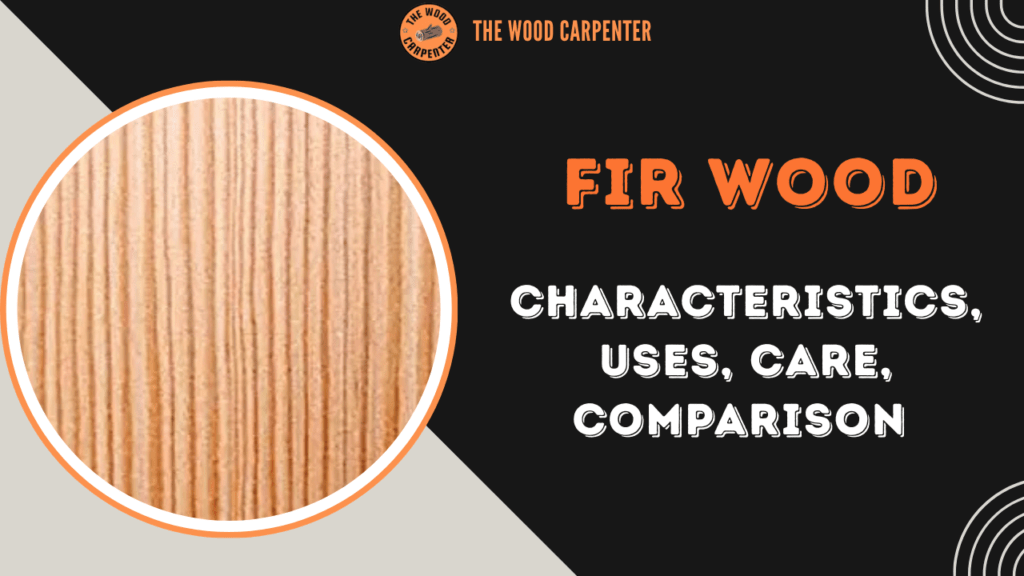
Fir wood looks very simple when you first see it — light in color, straight lines in the grain, and nothing fancy. But when you learn more about it, you realize it is actually very useful.
In this easy guide, I will explain what fir wood is, why many people like it, where it works best, where it is not so good, how to use it, and why it is becoming more popular in homes and buildings today. I used information from plant experts, the wood industry, and real-life uses so you get correct and helpful advice.
Quick snapshot (what you need to know)
- Botanical name: Most “true firs” belong to the genus Abies. (Note: Douglas-fir is a different genus, Pseudotsuga.)
- Look & feel: Light-colored (cream to pale amber), straight, generally knot-free or low-knot appearance, medium-to-fine grain.
- Weight & strength: A lightweight softwood — easy to cut and plane, reasonably strong for many uses but not as dense as hardwoods.
- Main advantages: Affordable, easy to work, consistent look, takes paint well.
- Main drawbacks: Limited natural resistance to moisture and decay; prone to splitting under nails/screws unless predrilled or reinforced.
What fir really is (short botanical context)
True firs (Abies spp.) are evergreen conifers common across temperate and mountainous regions of Europe, North America and Asia. They have single, flat needles and upright cones that disintegrate on the branch when mature — botanical traits that distinguish them from pine or spruce.
Different species (silver fir, balsam fir, white fir, etc.) vary in size and local use, which explains why “fir” can mean slightly different things depending on where you are.
Physical characteristics in everyday terms
If you pick up a fir board and inspect it, here’s what you’ll notice:
- Color & grain: Usually pale and uniform; heartwood and sapwood are not dramatically different, so large sections look consistent. Grain tends to be straight and even.
- Texture: Medium-fine; smooth after planing.
- Knots: Less knotty than some pines, though knots do occur. Clear grades of fir are available for visible finishes.
- Workability: Cuts, saws and planes easily. Sanding and gluing are straightforward. Drilling and screwing require care because fir can split — always predrill for fasteners.
- Finishing: Paints and varnishes adhere well to clean, well-prepared fir. Staining can be uneven unless you use proper conditioners and test first.
Where fir is commonly used — and why
Interiors & decorative work
Fir’s uniform look and smooth surface make it a favorite for interior trim, moldings, wall paneling, slats, and furniture frames. It’s an economical option when you want a neat, painted finish or a modern, pale timber look.
Furniture
Used extensively for budget to mid-range furniture. Fir is lightweight, which helps for movable pieces, and its straight grain suits minimal, Scandinavian-style designs. For structural furniture joints, use proper joinery or reinforcement (dowels, biscuits, glue blocks) to avoid fastener-related splits.
Structural uses
Some fir species, especially structural-grade varieties (and species like Douglas-fir, often marketed with “fir”), are used in framing, beams, and engineered wood (LVL, glulam). Their straight grain and dimensional stability make them suitable where strength and resistance to warping are important.
Musical instruments & specialty uses
Historically, some firs and closely related spruces were chosen for soundboards — their elastic fibers transmit sound well. That’s more of a niche use today, but it shows fir’s acoustic qualities.
Also read:
The Ultimate Guide to Woodworking: Types of Wood
Fir vs Pine — a practical comparison
- Appearance: Pine often shows more knots and color variation (good for rustic looks). Fir is more uniform and cleaner for painted or minimalist designs.
- Strength & structure: Fir (including Douglas-fir) tends to be better for structural uses. Pine is widely used too, but fir often resists warping better.
- Cost & availability: Both are affordable; choice often depends on finish preference and structural needs.
Douglas Fir vs Yellow Pine: Finding the Perfect One
Working with fir — tips that save time and mistakes
- Pre-drill for screws and nails. Fir splits more easily when fasteners are driven without pilot holes. For small pieces or edge work, always predrill.
- Use glue & reinforcement. When strength matters, rely on joinery + glue, not just screws.
- Condition before staining. If you must stain, use a wood conditioner or test on scrap to avoid blotchiness. Painting is generally easier and gives a consistent result.
- Seal for moisture protection. Fir is not highly decay-resistant. For bathrooms, kitchens or outdoor use, use appropriate treatment, sealers or choose heat-treated/thermally modified fir products.
- Choose the right grade. Clear grades (few knots) for visible furniture or panels; structural grades for framing.
Durability, treatment & outdoor use
Fir is not as naturally decay-resistant as cedar or some tropical hardwoods. Untreated fir will fare poorly in constant wet conditions. That said, modern treatments and finishes increase its lifespan:
- Pressure-treated fir – good for outdoor framing and exposed structure.
- Heat-treated / thermally modified fir – improves dimensional stability (less movement with humidity), which is why heat-treated fir slats are growing in popularity for interiors.
- Oil finishes and high-quality sealers – help for outdoor use, but periodic reapplication will be needed in harsh climates.
Trends: why fir slats and pale interiors are hot right now
Design trends favor light, natural interiors with clean lines. Fir slats (narrow vertical/horizontal strips) deliver a consistent pale texture that works for modern walls, ceilings, and furniture accents.
Heat-treated fir products (tongue-and-groove slats, panels) simplify installation and reduce the risk of warping — making fir an attractive, affordable alternative to more expensive species in contemporary design.
Fir in humid or tropical climates (practical notes)
If you’re in a warm/humid region, take these precautions:
- Avoid using plain fir for exposed outdoor elements. Choose pressure-treated or thermally modified fir, or use hardwood alternatives for long-term exterior durability.
- Ensure good detailing: flashing, drainage gaps and protective overhangs will prevent moisture pooling on fir surfaces.
- For indoor use, control indoor humidity (or choose finishes that limit moisture exchange) to reduce movement and discoloration over time.
Sustainability & sourcing
Many fir species grow in managed forests and plantations; when buying, look for responsibly sourced timber (FSC or equivalent certifications) if sustainability matters to you. Aside from ecological credentials, certified wood helps ensure consistent quality and traceability.
Quick care guide
- Interior painted fir: wipe with a damp cloth; avoid abrasive cleaners.
- Natural/unfinished fir: dust regularly; reseal or re-oil as recommended by the finish manufacturer.
- Outdoor fir: inspect annually for seal failures, reapply preservatives/paint as needed.
Final takeaways
Fir is a versatile, affordable timber that fits modern interiors and many structural uses when selected and treated correctly. It’s not a magic, indestructible wood — it needs mindful joinery, predrilling, and appropriate finishes — but in return you get a light, consistent look that’s easy to work with and current in contemporary design.
FAQ — common questions about fir wood
Q: Is fir the same as Douglas-fir?
A: No. “True firs” are genus Abies. Douglas-fir is Pseudotsuga menziesii, a different genus often marketed as “fir” in industry contexts. Douglas-fir tends to be stronger and is widely used in structural lumber.
Q: Can I use fir outdoors?
A: Yes — if it’s pressure-treated, painted, or thermally modified and detailed correctly to avoid standing water. Plain, untreated fir left outdoors will degrade faster than naturally durable woods.
Q: Is fir good for furniture?
A: Absolutely. It’s commonly used for budget and mid-range furniture. Use careful joinery and avoid relying purely on screws for strength.
Q: Does fir take stain well?
A: Staining can be uneven; use a pre-stain conditioner or pick a paint/opaque finish for an even look. Test on a scrap piece first.
Q: Are fir slats a good choice for modern interior design?
A: Yes — fir slats are trending for their pale uniform tone and straight grain. Heat-treated fir slats add stability and are easier to maintain.