
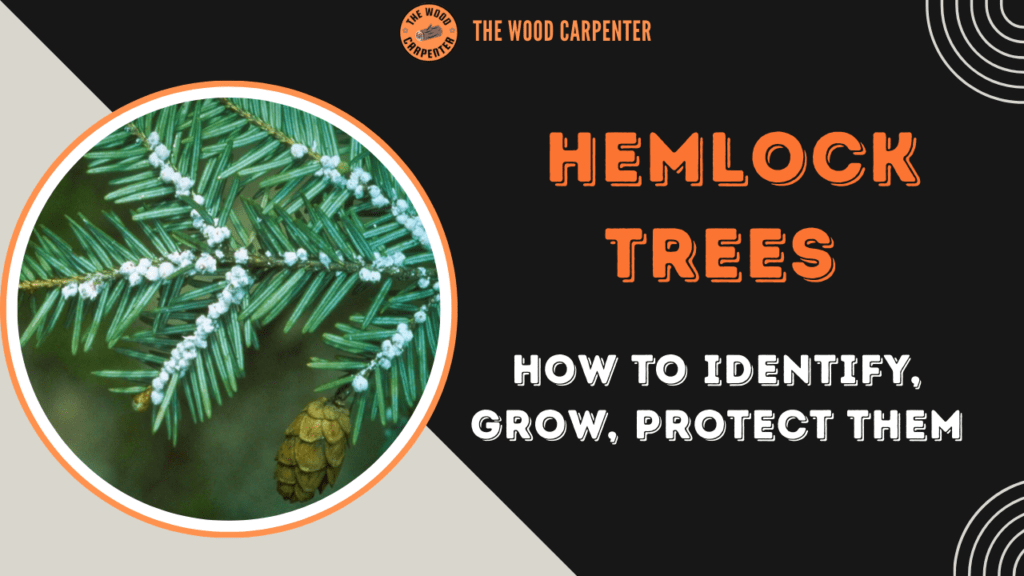
Hemlock trees are soft, gentle-looking evergreens that can be found in many of the forests of America. These trees, which belong to the Tsuga cenus, are distinctive in their silky needles, graceful form and preference for cool spaces where they’re relegated to shade.
So whether you need a living privacy screen for your backyard or just like to spend time walking among the trees, getting to know hemlocks is not only an enjoyable pastime, but one that helps you appreciate their true value in nature and the wildlife they feed.
Hemlocks are most comfortable in cool, moist surroundings. The two most common species are the Eastern Hemlock and the Western Hemlock. They usually grow 60–100 feet, but can exceed that when the conditions are ideal.
Their needles are short and lie flat, they feel very soft, and dark green is visible on top with two thin, bright stripes beneath. Collectively, these needles create an airy canopy that gently filters sunlight so smaller plants beneath will thrive.
This tree is often confused with the poisonous plant known as poison hemlock. They’re completely unrelated and the tree itself is not poisonous.
How to Recognize a Hemlock Tree
You can spot a hemlock by paying attention to these features:
- Bark: Starts off gray-brown, with a scaly texture and deep grooves. Older trunks may show reddish inner bark where the outer layer peels away.
- Needles: Short, flat and soft to touch. They don’t have the little sharp points of pine or spruce needles.
- Cones: Small and light, these little cones are egg-shaped. They start out purple and ripen to brown.
- Growth habit: Most hemlocks take on a tall, cone-shaped or pyramid-like form. The very top often droops gently, giving the tree a relaxed look.
Because they tolerate trimming well and grow at a steady but slow rate, hemlocks are a popular choice for natural hedges and screening.
Eastern Hemlocks dominate landscapes in the Appalachian region and the northeastern United States. Western Hemlocks, on the other hand, thrive in the rainy, temperate forests of the Pacific Northwest, where they can tower above 150 feet. Both types create deep, cool shade and help regulate temperatures in the forest, improving conditions for many species.
Types of Hemlock Trees Found in the U.S.
There are four main hemlock varieties native to the United States:
| Hemlock Type | Height | Native Range | Key Traits |
| Eastern Hemlock (Tsuga canadensis) | 60–100 ft | East Coast, Appalachians | Very shade-tolerant, soft flat needles |
| Western Hemlock (Tsuga heterophylla) | 100–150 ft | Pacific Northwest | Drooping branches, varied needle lengths |
| Mountain Hemlock (Tsuga mertensiana) | 50–100 ft | High West Coast mountains | Silvery needles arranged in whorls |
| Carolina Hemlock (Tsuga caroliniana) | 60–80 ft | Southern Appalachians | Similar to Eastern but far less common |
Gardeners often plant dwarf forms such as ‘Loowit’ or ‘Cole’s Prostrate’ when they want hemlock beauty in smaller yards. Eastern types are better suited for colder regions, while Western hemlocks prefer wetter coastal climates.
How to Grow and Care for Hemlock Trees
Hemlocks do best when planted in spring or fall. To help them grow well, focus on the following:
Soil Needs
- They prefer loose, acidic soil with plenty of organic material.
- Heavy clay and dry, sandy soil are not ideal.
Lighting Conditions
- Partial shade works best.
- They can handle sunlight only if the soil stays evenly moist.
Watering Routine
- Water deeply once a week during the first couple of years.
- After they are established, water when long dry spells occur.
- A layer of mulch helps keep the ground cool and moist.
Fertilizing Tips
- Use a gentle, acid-supporting fertilizer in spring if needed.
- Too much fertilizer can attract harmful insects.
Pruning
- Light trimming helps shape the tree.
- Avoid cutting too heavily, since hemlocks are slow to recover.
Most hemlock species grow well in USDA Zones 3–7, though this varies slightly depending on the species. In cities, they benefit from protection against road salt and air pollution.
Also read:
The Ultimate Guide to Woodworking: Types of Wood
Why Hemlock Trees Matter
Hemlocks are a key part of many ecosystems, and they contribute in several important ways:
- Their root systems keep soil in place and help reduce erosion.
- The deep shade they create cools streams, providing a better environment for fish like trout.
- Their branches offer shelter to birds, deer, and numerous insects.
- Fallen needles help enrich the forest floor.
- They store significant amounts of carbon, which supports climate-change mitigation.
Traditional Uses
Native American communities used the bark to make vitamin-rich tea, built canoes from the wood, and used tree pitch to treat wounds.
Historical Uses
In the late 19th and early 20th centuries, hemlock bark tannins were essential in the leather-tanning industry.
Modern Uses
Today, hemlock wood is valued for being lightweight and versatile. It is used for:
- house framing
- pallets
- paper and pulp
- CLT (cross-laminated timber)
- outdoor structures when pressure-treated
Hemlocks also remain a favorite among landscapers due to their soft, drooping branches and classic evergreen appearance.
Threats Facing Hemlock Trees
The most serious threat to hemlocks today is the Hemlock Woolly Adelgid (HWA), a tiny pest originally from Asia. This insect feeds on sap near the base of the needles, which leads to:
- needles turning gray
- needles falling off early
- gradual branch dieback
- death of the tree within 4–10 years if no treatment is given
The insects appear as tiny white, cotton-like spots on the branches. They spread easily, especially through birds and wind.
Pros of Hemlock Trees
- Grows well in shade: Hemlock trees can live happily in shady areas or places with only a little sunlight. This makes them great for woodland gardens.
- Soft and pretty look: Their soft, flat needles and feathery branches give them a very gentle, elegant appearance. They can make beautiful privacy screens or hedges.
- Great for wildlife: Birds eat the seeds, animals use the branches for shelter, and the deep shade helps keep streams cool for fish. Many insects and deer also use hemlock trees as habitat.
- Useful wood: Hemlock wood is often used for framing houses, making paper pulp, and landscaping. In the past, the bark was used for making tannins.
- Low-maintenance: Once the tree is settled in the soil, it doesn’t need much care. It grows slowly, so you won’t need to trim it often.
Cons of Hemlock Trees
- Easily harmed by pests: Hemlock trees are often attacked by an insect called the hemlock woolly adelgid (HWA), which can kill the tree quickly if not treated.
- Needs cool, moist soil: They struggle in hot, dry weather or soil that is not acidic. They also don’t like alkaline soil.
- Slow growth: Hemlocks grow only about 12–24 inches each year. This means it takes a long time for them to become tall or provide good privacy.
- Gets very big: Mature hemlock trees can reach 60 to over 100 feet tall, which can be too large for small yards.
- Not good for cities: They do not handle salt, air pollution, or strong winds well, so they may not survive in urban or exposed areas.
Ways to Control HWA
- Apply horticultural oils or insecticidal soaps during spring or fall.
- Use soil-applied treatments like imidacloprid for longer-term protection (2–4 years).
- Release or encourage natural predators such as certain beetles.
- Water trees during hot, dry weather to reduce stress.
- Keep bird feeders away from hemlock branches.
There is hope in the form of HWA-resistant varieties such as ‘Traveler’, which shows stronger tolerance thanks to selective breeding.
Cultural Significance
Hemlocks have been part of North American woodlands for centuries and are often associated with endurance and quiet strength. Indigenous peoples valued them for their uses and symbolism.
Early settlers depended on these trees for building materials and ship construction. Today, massive hemlock forests in places like the Great Smoky Mountains and Olympic National Park continue to draw hikers, nature photographers, and scientists.
Protecting these forests is crucial because they support unique habitats and a wide range of species that depend on their deep, cool shade.
Frequently Asked Questions (FAQ)
1. What is a hemlock tree?
It is an evergreen with soft, flat needles, small cones, and a slightly drooping shape. Hemlocks grow naturally in cooler North American regions.
2. Are hemlock trees poisonous?
No. The tree itself is safe and unrelated to the poisonous Conium plant known as poison hemlock.
3. How can I spot hemlock woolly adelgid?
Look for tiny white, cotton-like balls attached to the branches and needles that look gray or thin.
4. Can I plant hemlocks in my yard?
Yes—if your soil is acidic, you can provide shade, and you keep the ground moist. They grow best in cooler climates.
5. How quickly do hemlocks grow?
They generally grow 12–24 inches each year.
6. What is killing hemlocks in the Eastern U.S.?
Mostly the Hemlock Woolly Adelgid. Early care and regular monitoring make a big difference.
 Sam Wood Worker