
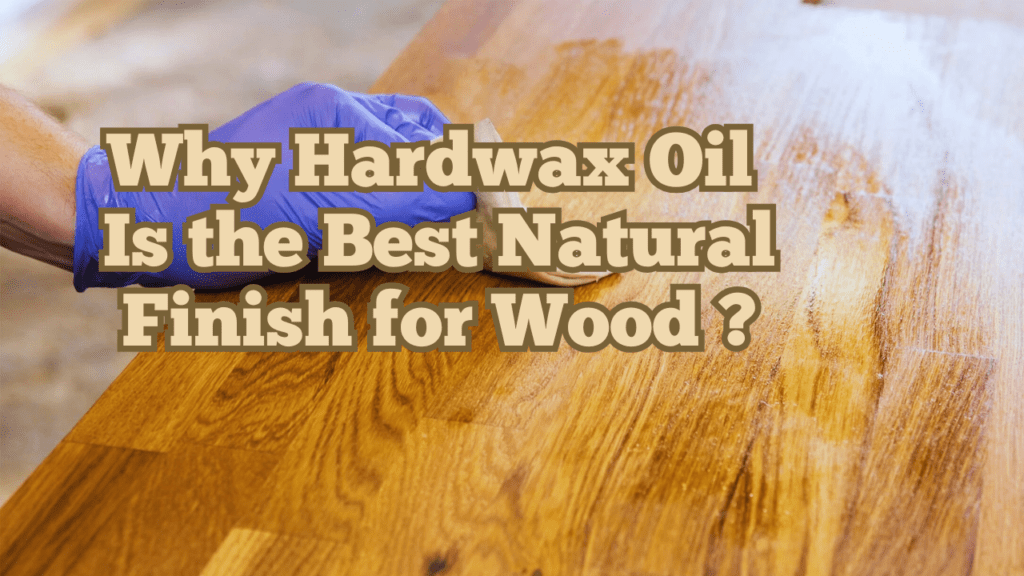
I think the first time I used a hardwax oil was for my own house. As were many others, I left mystified. Some said polyurethane was tougher. Others swore by traditional oil. Hardwax oil sounded like marketing talk.
But having lived with hardwax oil–finished floors and furniture for years now, witnessing them age and handle spills, scratches, kids and daily life, I finally got why so many people love this finish.
Europe has been using hardwax oil for many decades and is now gradually gaining popularity around the world, even in wet places like India. And if you want the wood to look like actual wood — not suspiciously plastic-coated but still be protected — keep reading; this guide gives it all to you.
What Exactly Is Hardwax Oil?
Hardwax oil is a wood finish that consists of natural oils and hard waxes. Rather than about a thick slathering on top of the wood, it sinks in and protects those fibers from right there inside the wood; while the wax stays near the surface to resist water and dirt.
Most hardwax oils use plant-based oils such as linseed, sunflower, soy, or tung oil. These are mixed with hard waxes like carnauba or candelilla wax.
Some products also include small amounts of resins or dryers to improve strength and drying time. High-quality versions are low-VOC or zero-VOC, making them safe for homes, children, and even food-contact surfaces when certified.
The main difference between varnish or polyurethane is that of breathability. Wood is allowed to do what it does naturally, expand and contract. This makes a big difference in areas with fluctuating weather or high humidity.
Why Hardwax Oil Feels Different From Other Finishes
Walk barefoot on a hardwax oil floor and you’ll feel the difference immediately. The surface feels warm and natural, not slick or plasticky. Light reflects softly instead of bouncing off a shiny film.
Traditional polyurethane seals the wood completely. When that surface scratches, the damage is obvious and usually means sanding the entire floor. Hardwax oil behaves differently.
Scratches blend into the surface and become part of the wood’s character. If damage does happen, you can fix just that spot without touching the rest of the floor.
From a health point of view, many people choose hardwax oil because it releases far fewer fumes than solvent-heavy finishes. Water-based and modern oil-based versions are safe to apply in lived-in homes.
How Hardwax Oil Protects Wood
Hardwax oil works in two layers. The oil penetrates deep into the wood and hardens through contact with air, strengthening the fibers from within. This makes the wood more resistant to moisture and wear.
The wax portion stays closer to the surface. It fills tiny pores and creates a smooth, dirt-resistant layer that repels water while remaining flexible. Because the finish moves with the wood, it doesn’t crack or peel like rigid coatings.
This balance of flexibility and protection is why hardwax oil lasts so long when properly maintained.
Where Hardwax Oil Works Best
Hardwax oil performs beautifully on wooden floors, especially oak, teak, and other hardwoods used in homes and offices. It handles daily foot traffic, pets, and furniture without looking worn too quickly.
Furniture is another perfect use. Dining tables, desks, shelves, and cabinets feel smooth and natural to the touch. Water rings are far less common, and when they do appear, they’re easy to fix.
Kitchen countertops and butcher blocks benefit greatly from food-safe hardwax oils. These surfaces stay protected while remaining safe for food preparation. Staircases are another common application, since worn areas can be refreshed without refinishing the entire stair.
In humid climates, including coastal and monsoon regions, hardwax oil’s breathability helps prevent warping and trapped moisture problems.
Applying Hardwax Oil the Right Way
Preparation matters more than anything else. Since hardwax oil doesn’t hide flaws, sanding must be done carefully. Most woods do well when sanded to 120–150 grit. Sanding too fine can close the pores and prevent proper absorption.
Before application, remove all dust and ensure the room temperature is comfortable, ideally between 18–25°C. Humidity should be moderate.
Stir the product gently. Apply a very thin coat using a pad, roller, or cloth, following the grain. After about 10–15 minutes, wipe off all excess oil thoroughly. This step is critical. Too much oil left behind causes sticky surfaces.
Let the surface dry for about 24 hours before applying a second thin coat if required. Light use is usually possible after one to three days, but full curing can take one to four weeks depending on the product.
Hardwax Oil vs Other Finishes
Here’s a simple comparison to help you decide:
| Feature | Hardwax Oil | Polyurethane | Traditional Oil |
| Protection Type | Penetrates wood, breathable | Surface film | Penetrates but soft |
| Maintenance | Spot repair, easy refresh | Full sanding needed | Frequent re-oiling |
| Look & Feel | Natural matte or satin | Shiny, plastic-like | Warm but fades |
| Durability Over Time | High with care | High initially | Low |
| VOC Levels | Low or zero | Higher | Varies |
Polyurethane wins for pure scratch resistance, but hardwax oil wins for long-term usability and easy repair.
Maintenance Made Simple
Daily care is easy. Sweep or vacuum regularly. For cleaning, use a damp mop with a cleaner designed for hardwax oil finishes. These cleaners actually help refresh the surface over time.
High-traffic areas may need a maintenance coat once a year. This involves cleaning, drying, and applying a thin layer of oil. No sanding, no mess. Full re-oiling is usually needed only every three to five years.
With this approach, hardwax oil floors can last for decades.
Common Questions Answered Honestly
Hardwax oil is water-resistant but not waterproof. Spills should be wiped up, but occasional standing water won’t immediately ruin the finish.
A properly cured surface does not feel oily or sticky. If it does, too much product was applied or drying conditions were poor.
Pet scratches show less because the finish penetrates the wood. Spot repairs are easy and blend naturally.
Hardwax oil must be applied to bare wood. It will not bond properly over varnish or polyurethane.
Outdoor use requires special exterior-grade products with UV protection.
Choosing the Right Brand
European brands are widely trusted. – Ø Osmo Polyx-Oil is known for its consistency and high standard, all thanks to it being safe and extremely durable. Rubio Monocoat is an actual one-coat system that is easy to use and looks very natural. Woca and Loba are also great choices when it comes to floors.
Prices vary, but coverage is high. Quality products often cost more upfront but save money over time due to easy maintenance and long lifespan.
Is Hardwax Oil Right for You ?
Hardwax oil is not for all circumstances. If you want a really thick, chemical-proof surface, a commercial varnish is probably better.
But if you prize the look of the real thing, an easy-to-maintain finish and a floor that will hug your feet on cold winter mornings, hardwax oil is tough to beat.
After years of use, hardwax oil–finished wood often looks better, not worse. It develops character instead of damage.
For homeowners, for DIY-ers, and for wood enthusiasts who wish to protect their favorite wooden surfaces without hiding the grain pattern underneath, hardwax oil is one of the smartest choices you can make.