
Last Updated on August 14, 2026 by Sam Wood Worker
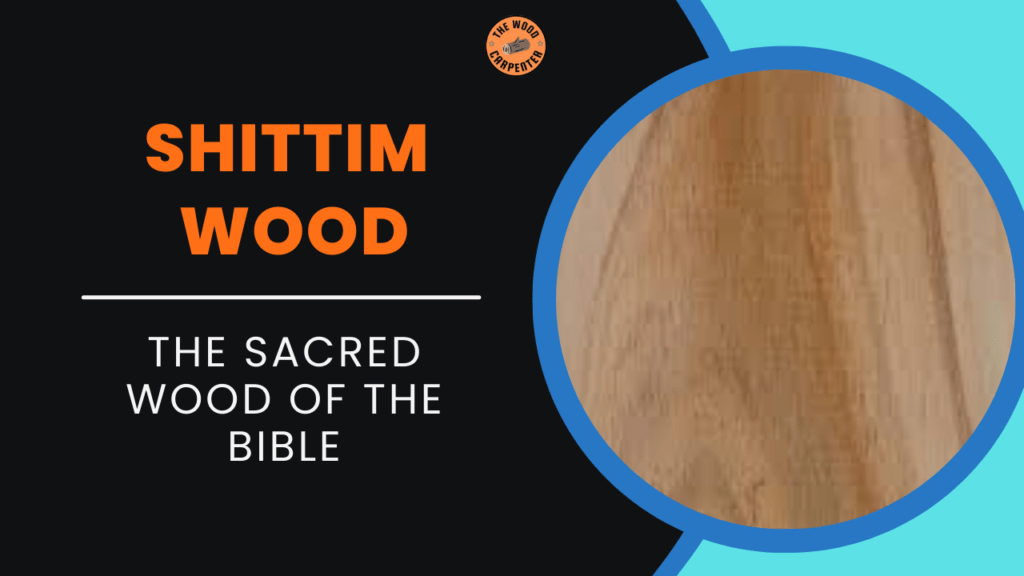
The shittim wood is one of the best known trees in the Bible. It was solid, built to last and ideal for the desert. That is why it was selected as one of the materials to make some of the holiest objects in biblical history.
Even today, shittim wood—what we call acacia wood—is valued for its durability, appealing appearance and symbolism.
What Is Shittim Wood ?
Shittim wood is made from acacia trees, which grow in dry areas of the Middle East and Northern Africa. In modern botanical taxonomy it is typically identified with the Vachellia seyal, or red acacia.
These tough desert trees are called “shittim” in the Bible. They are slow to grow and produce hard wood, both of which factors are essential for sustainable building for resisting the heat, wind and drought.
Why Is Shittim Wood Important in the Bible?
Shittim wood is best known for being used to build the Ark of the Covenant and the Tabernacle.
In the book of Exodus, God specifically instructs Moses to use shittim wood for sacred items, including:
- The Ark of the Covenant
- The Table of Showbread
- The Altars
- Support frames and carrying poles
These objects were designed to be transported frequently and withstand the conditions of the desert. The “shittim” was used as it was a durable, stable, and resistant to decay.
Many believers also see symbolic meaning in this choice. The wood’s resistance to rot represents purity, endurance, and divine protection.
What Does Shittim (Acacia) Wood Look Like?
Shittim wood has a warm and natural appearance.
- Color ranges from pale yellow to reddish brown
- Grain is fine and mostly straight
- Texture is smooth when finished
- It darkens slightly over time
The trees themselves are medium-sized with thorny branches, yellow flowers, and curved seed pods.
Where Does Shittim Wood Grow?
These acacia trees grow in dry, hot regions such as:
- North Africa
- The Middle East
- Parts of the Sahel region
They thrive in deserts, fields and river valleys, so the Israelites would have been able to find them during their desert trek.
Why Is Shittim Wood So Durable?
Shittim wood naturally contains oils and tannins that protect it from:
- Rot
- Insects
- Dry desert weather
Because of this, the wood lasts a very long time without chemical treatment. This made it one of the toughest woods available in ancient times—and still valuable today.
Is Shittim Wood Easy to Work With?
Yes. Even though it is strong, shittim wood works well with tools when handled properly.
- It cuts and shapes cleanly
- It holds joints and screws well
- It finishes smoothly and polishes nicely
Woodworkers usually pre-drill holes to prevent splitting, especially near edges.
How Is Shittim Wood Used Today?
Today, shittim wood is sold under the name acacia wood and is used for many purposes.
Common modern uses include:
- Furniture and cabinets
- Cutting boards and kitchenware
- Bowls, trays, and turned items
- Flooring and decorative panels
- Religious replicas and keepsakes
Because it is food-safe and durable, acacia is especially popular for kitchen products.
Is Shittim Wood the Same as All Acacia?
Not exactly.
“Shittim wood” refers specifically to acacia species from the biblical regions, mainly Vachellia seyal.
“Acacia wood” is a broad term that includes many species from Africa, Asia, and Australia.
While modern acacia wood shares similar strength and beauty, not all acacia is true biblical shittim wood.
Is Shittim Wood Still Available?
Yes, but it is usually sold simply as acacia wood.
You can find it through:
- Exotic hardwood suppliers
- Woodturning stores
- Online specialty wood sellers
- Faith-based shops selling religious items
Pieces labeled as “biblical shittim wood” are rare and often more expensive.
Is Shittim Wood Sustainable?
Yes. Acacia trees adapt to dry environments well and can help enhance soil quality by fixing nitrogen. They are not endangered, and they’re typically harvested sustainably.
This makes shittim (acacia) wood an environmentally-friendly and sustainable choice if harvested sustainably.
Spiritual and Cultural Meaning
In religious tradition, shittim wood symbolizes:
- Strength with humility
- Endurance without decay
- Offering the best materials to God
It is connected to the Valley of Shittim, an important site in the Bible where the Israelites camped before entering the Promised Land.
Even today, shittim wood is used in devotional items, study tools, and symbolic gifts.
Final Thoughts
Shittim wood is more than just old construction material. It is a wood steeped in history, faith and utility.
Its natural durability explains why it was trusted for sacred objects thousands of years ago. Its beauty and strength explain why it is still used today.
Whether you call it shittim wood or acacia, this biblical lumber is one among many reminders that the best materials are often the ones that quietly stand the test of time.
If you are in search of wood that represents meaning, long life and natural beauty, shittim wood is certainly worth your consideration.