
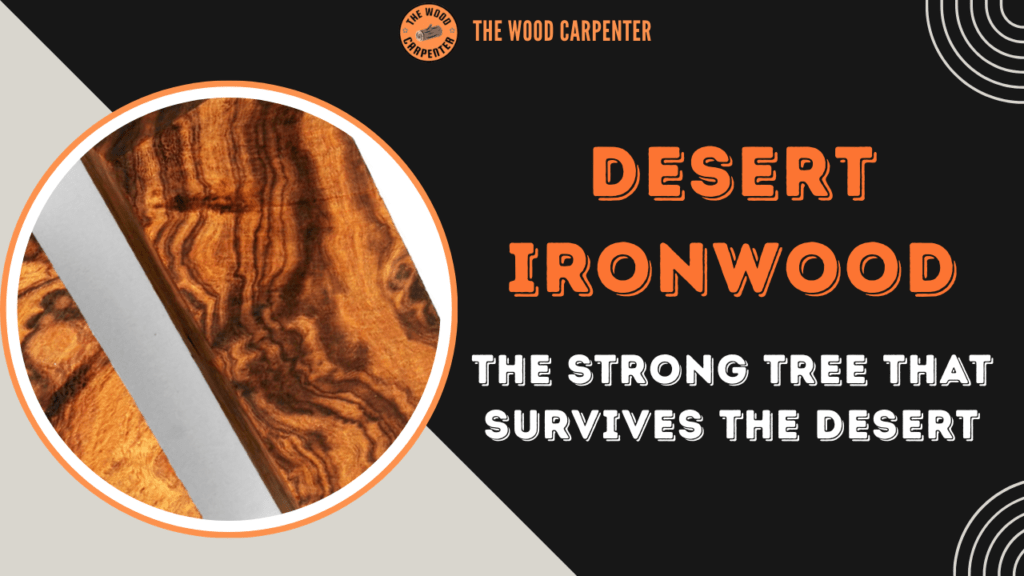
Desert ironwood is one of the toughest trees on Earth. It thrives in where everything else grows extinct. Sun and drought, dry air, poor soil and long droughts do not stop it. This tree is evidence that nature finds a way.
Its scientific name is Olneya tesota, but most everyone just calls it desert ironwood. The bitter shrub grows in the Sonoran Desert, which covers a large area in the southwest U.S. and northwest Mexico. This tree is not just strong—it plays a very important role in desert life.
Why Desert Ironwood Is So Special
Desert ironwood is famous for its extremely hard and heavy wood. The wood is actually so dense that it will sink in water. Very few woods do that.
Even more impressive is its age. Some desert ironwood trees have been estimated to be 800 to 1,500 years-old. That means some trees that are growing today were actually around long before modern history began.
The tree grows slowly but lives a very long time. Since a number of plants and animals rely on it, scientists refer to it as a keystone species; if it disappeared, many other desert plants and animals would find survival more difficult.
How the Tree Looks
Desert ironwood trees typically reach 20 to 35 feet in height, but some trees can grow taller. Its trunk is short and twisted with wide spreading branches.
The leaves are small and bluish-green, and they grow in pairs. Unlike many desert plants, this tree stays green all year. It does shed its old leaves once a year. Small, sharp thorns grow near the leaves in order to defend the tree from animals.
The bark is thick and dark brown. This heavy bark provides a protective cover against the intense day heat and cool night temperatures of the desert regions.
Flowers That Appear Only Sometimes
When ironwood trees bloom they are one of the most amazing sights in the desert. It generally happens from May to early June. The flowers are white, light purple and deep purple.
But here’s where the story gets interesting — the tree does not flower every year. In 5 years it might bloom only once or twice. They’re in bloom for only 10 to 18 days, so they are really special to see.
Before flowering, the tree drops its leaves. This makes the purple flowers stand out even more. New leaves sprout once the summer rains come.
A Lifeline for the Desert
Desert ironwood does much more than just survive—it helps other life survive too.
A Natural Shelter for Young Plants
The wide canopy of the tree creates shade that cools the ground below it. Even a small temperature drop can mean life or death for young desert plants.
Many famous desert plants, like saguaro cacti, grow under ironwood trees when they are young. The shade protects them from harsh sun, frost, and animals. Without ironwood trees, many cacti would not survive.
Improving the Soil
Ironwood enriches poor desert soil. As a member of the pea family, it fixes nitrogen in the soil. What falls to the ground, dead leaves and seed pods, breaks down slowly and feeds the ground.
This creates small “islands” of healthy soil in the desert.
Helping Wildlife
Over 500 species of plants and animals rely on desert ironwood.
Birds use it for nesting and resting. Many animals eat the seeds, which taste similar to peanuts. These seeds are a lifeline to doves, quail, rodents and even coyotes in the dry times.
Birds also scatter seeds from other plants under the ironwood trees for growing new plants.
A Tree That Lasts Even After Death
Even when a desert ironwood tree dies, it does not disappear quickly. The wood contains natural chemicals that stop decay. Dead trees can remain standing for hundreds of years.
These old trees still help wildlife by offering shelter and nesting spaces.
Cultural Importance
For native tribes such as the Tohono O’odham and Seri, desert ironwood has significant meaning.
They made tools, weapons and ceremonial objects from the wood. The seeds were consumed as food. Leaves and bark had medicinal use.
The Seri people are particularly famous for their ironwood animal carvings. Traditionally, they only use dead wood which serves to protect living trees.
Problems Facing Desert Ironwood Today
Sadly, desert ironwood is under threat.
The wood burns very hot, so it is often cut for firewood and charcoal. Illegal cutting still happens, even in protected areas. Cities and farms are also spreading into desert land.
Another big problem is buffelgrass, an invasive plant that increases wildfires. Ironwood trees are not fire-adapted and many do not resprout after these burns.
Because the tree grows very slowly, it cannot recover quickly once lost.
About the Wood Itself
Desert ironwood wood is a favorite to woodworkers.
It is beautiful in color, from yellow and orange to deep red and dark brown. Some pieces even look black.
The grain is fine and shiny, and when polished, it looks almost like glass.
However, the wood is very hard to work with. It quickly dulls tools and produces irritating dust. For this reason, it’s generally used for smaller items like knife handles, carvings and sculpture.
Shittim Wood: The Sacred Wood of the Bible
African Blackwood: Uses, Value, and Why It’s Rare
Can You Grow Desert Ironwood?
If you live in a hot desert climate, desert ironwood can be a great tree for your yard.
It needs:
- Full sun
- Very little water once established
- Plenty of space
The tree grows slowly and has sharp spines, so it should be planted away from walkways. But it provides shade, supports wildlife, and needs very little care.
Looking Ahead
Desert ironwood trees are ancient survivors, but they need protection. Saving them means saving the entire desert ecosystem.
Protected areas like Ironwood Forest National Monument help, but more awareness is needed. Sustainable use, education, and habitat protection are key.
Final Thoughts
Desert ironwood is more than just a tree. It is a shelter, a food source, a soil builder – and an emblem of survival.
In one of the harshest places on Earth, it stands strong—supporting life quietly for centuries. Safeguarding this tree means protecting the desert itself.
Nature has already done the hard work. Now it’s our turn to make sure desert ironwood continues to stand tall for generations to come.
Most of the heavy lifting has been done by nature. Now it’s our turn to ensure desert ironwood stands tall for generations to come.