
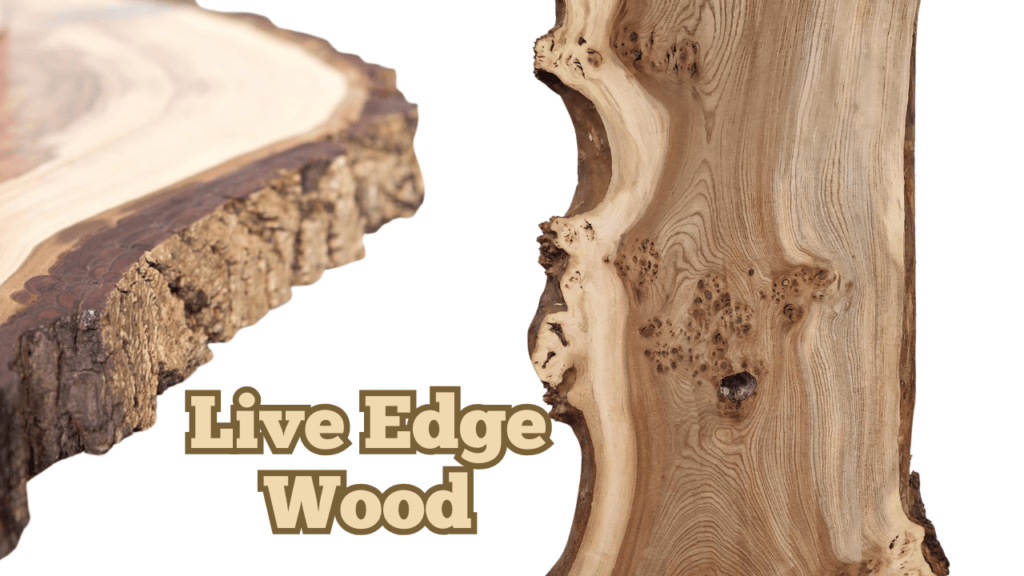
Think about a wooden table, where the edges aren’t straight but shaped exactly as the tree grew. Its natural lines, knots and even sections of bark show up. This is what they call live edge wood, and it’s one of the most favored styles in contemporary furniture and home design today.
Live edge wood brings nature indoors. Each piece is different and tells a story it feels warm and real. It’s why people are using it in such a variety of settings, from homes to offices, restaurants and even luxury spaces.
What Is Live Edge Wood?
If you’ve ever heard of live edge wood, it’s essentially a wood that retains the natural outer edge of the tree. While regular wood is cut into a straight edged shapes, live edge slabs are able to keep the original curves of the tree and its particular uneven borders in addition to an all-natural shape.
Instead of hiding imperfections, live edge celebrates them. Knots, cracks, curves, and grain patterns are all part of the design. No two pieces ever look the same.
Some people say the edge looks “alive” because it follows the tree’s natural growth. Many others believe that the spirit of the tree is still present in the wood. That’s the name live edge comes from.
Live Edge vs Natural Edge
You may hear different names:
- Live edge usually means the natural edge with bark
- Natural edge means the same shape but without bark
- Living edge means the same thing as live edge
All these terms describe wood that keeps its original shape instead of being forced into straight lines.
A Short History of Live Edge Wood
Live edge wood did not start as a design trend. Long ago, early settlers used whole wood slabs because it was fast and practical. They didn’t have time to shape perfect furniture.
The artistic value of live edge wood became popular much later, thanks to one man.
George Nakashima and the Live Edge Movement
George Nakashima was a famous woodworker who believed wood should be respected, not forced into perfect shapes. While others threw away cracked or uneven boards, he used them proudly.
He believed every tree had a story and a spirit. His furniture showed the natural edge, cracks, and knots as part of the beauty. He even used wooden “butterfly joints” to hold cracked slabs together instead of hiding them.
Because of him, live edge wood became art—not waste.
What Makes Live Edge Wood Special?
Natural Beauty
Live edge wood stands out because of:
- Curved, flowing edges
- Natural knots and cracks
- Unique grain patterns
- Sometimes bark still attached
Each piece shows how the tree grew over many years.
Popular Wood Types
Live edge furniture is often made from strong hardwoods like:
Other unique woods include:
The type of wood affects color, strength, price, and appearance.
How Live Edge Wood Is Made
Cutting the Tree
Instead of cutting trees into small boards, woodworkers cut them into thick slabs. These slabs keep the full width of the tree, including the natural edges.
Drying the Wood
Drying live edge slabs takes a long time. Thick wood can take 6 months to 2 years to dry properly. If dried too fast, the wood can crack or warp.
Good drying is very important. Properly dried wood stays strong and stable for years.
Working With Live Edge Wood
Live edge woodworking is more difficult than normal woodworking.
- Measuring is harder because edges are uneven
- Cracks and holes need to be filled with resin
- Bark may fall off if not treated properly
- Each project needs custom planning
Because of this, live edge furniture takes more time and skill to make.
Finishing Live Edge Wood
Finishing protects the wood and brings out its beauty.
- Oil finishes show grain clearly
- Polyurethane gives strong protection
- Wax adds a soft natural shine
Cracks are often filled with clear or colored epoxy resin, which can look simple or dramatic, depending on the style.
Common Uses of Live Edge Wood
Furniture
Live edge is most popular in furniture such as:
- Dining tables
- Coffee tables
- Office desks
- Benches
- Bed headboards
- Floating shelves
These pieces often become the main focus of a room.
Smaller Items
Live edge wood is also used for:
- Cutting boards
- Serving boards
- Picture frames
- Bowls
- Candle holders
- Wall art
These are great ways to enjoy live edge at a lower cost.
Why Is Live Edge Furniture Expensive?
Live edge furniture costs more because:
- Large trees are needed
- Wood takes a long time to dry
- Each piece is handmade
- No two pieces are the same
- Skilled craftsmanship is required
You are paying for time, skill, and uniqueness, not just wood.
How to Care for Live Edge Furniture
Live edge wood needs a stable environment.
- Keep away from heaters and fireplaces
- Avoid direct sunlight
- Maintain normal indoor humidity
- Clean with a dry, soft cloth
Occasional oiling or waxing helps keep the wood healthy and beautiful.
Small cracks are normal and often add character.
Is Live Edge Wood Eco-Friendly?
Yes, when sourced responsibly.
Many live edge slabs come from:
- Fallen trees
- Urban tree removal
- Trees unsuitable for regular lumber
This reduces waste and gives trees a second life. Many makers also use local wood to reduce environmental impact.
Design Styles That Work Well With Live Edge
Live edge fits many styles:
- Rustic and farmhouse
- Modern and minimal
- Industrial
- Scandinavian
- Wabi-sabi (beauty in imperfection)
It looks especially striking when mixed with metal, glass, or concrete.
What to Look for When Buying Live Edge
Check for:
- Proper drying
- Strong structure
- Secure bark (if present)
- Smooth resin filling
- Good finish
Always ask where the wood came from and how it was dried.
Final Thoughts: Why Live Edge Wood Matters
Live edge wood is more than furniture. It is a piece of nature, preserved and honored. All the curves and knots and cracks that tell the story of a living tree.
In a world of factory-made products, live edge wood seems real, warm and timeless. It comes back to being in tune with nature and the fact that imperfection is beautiful.
When you opt for live edge, you’re purchasing more than furniture — you’re bringing a story directly into your space.