
Last Updated on August 1, 2026 by Sam Wood Worker
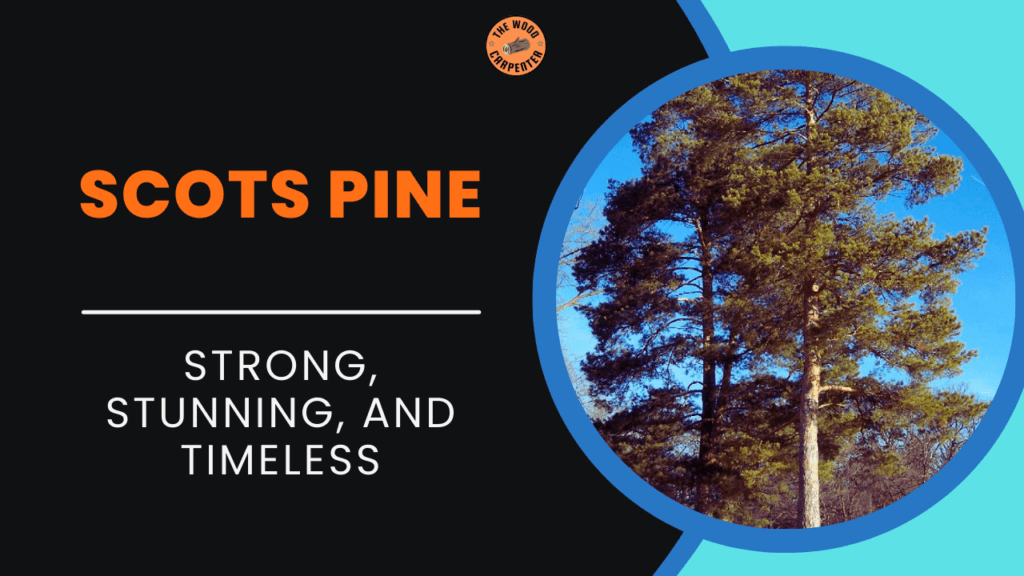
Scots pine is a high tree of evergreen originating from most parts of the cold world. Common Name is Scots Pine and the Scientific Name is Pinus sylvestris. It is a tree that is found in Scotland, all of Europe, most forests of Russia and Asia.
If you find yourself In a mountainous part, or any cooler forest area, you may see a tall slender pine with Orange bark near the top and a fresh forest aroma surrounding it. That’s probably a Scots pine. It is a tree which has been from thousands of years on the Earth which is strong and long-lived.
What Is Scots Pine?
While Scots Pine is an evergreen tree, it means it keeps its needles throughout the year which is why it is green in winter. It grows into a very tall tree anywhere from 35 to 80 feet in height. Similar trees can live from 300 to 700 years, lasting through generations.
When the tree is young, it looks neat and cone-shaped. As it grows older, the top becomes wide and open. Old trees often look rough and natural, especially if they grow in windy places.
This tree is easy to identify because of its bark. The bottom of the trunk is grey and textured, while the upper part changes to a bright orange or copper color. The leaves are not a flat shape like an average leaf. They are needle-like leaves that grow in pairs and have a somewhat twisted appearance.
Where Does Scots Pine Grow?
Scots Pine grows naturally in cold and cool regions. It is the only pine tree that is native to Britain. Long ago, large forests of Scots Pine covered much of Scotland. Today, only small parts of those forests remain because many trees were cut down over time.
It thrives in open space where it receives abundant sunlight. It prefers well-drained soils, like sandy and slightly acidic soils. It is drought-resistant once established. But it does not thrive in areas with prolonged wet soil.
How to Identify Scots Pine
Here are the main features that help you recognize it:
- Orange or copper-colored bark near the top
- Grey bark at the base
- Short blue-green needles growing in pairs
- Small brown cones
- Tall tree with an open, spreading top when mature
If you see a pine tree glowing orange in sunlight, there is a good chance it is a Scots Pine.
Why Scots Pine Is Important
Scots Pine is not just a tree. It supports many forms of life.
Animals like red squirrels eat its seeds. Some birds depend on its cones for food and shelter. Many insects and fungi also live on or around the tree. Even after the tree dies, its wood becomes a home for small creatures.
The tree also helps the environment by storing carbon and improving air quality. Forests of Scots Pine protect soil and support healthy ecosystems.
Teak wood vs Pine wood: The Surprising Downside No One Talks About!
History and Cultural Value
The Scots Pine has been growing in Europe since the last Ice Age. It was adopted as a symbol of fortitude and persistence in Scotland. Today, it is Scotland’s national tree.
It’s wood was once used by people as fuel, for construction, and tools. Fire and primitive lighting were initiated from the resin of the tree. Today, many work to bring back ancient pine forests for future generations to enjoy.
How to Grow Scots Pine
Scots Pine is easy to grow if the conditions are right. Plant it in a sunny location with soil that drains well. Spring or autumn is the best time for planting.
Young trees need regular watering during the first year. After that, they become strong and can handle dry weather. Avoid planting in heavy clay or waterlogged areas because too much moisture can damage the roots.
The tree usually does not need much care. Light trimming of new growth in late spring can help shape it. If you are growing it in a garden, make sure there is enough space because the tree becomes large over time.
Scots Pine is also popular for bonsai because of its rough bark and natural shape. It should always be kept outdoors.
Western White Pine: The Forgotten King of Forests
Uses of Scots Pine
Scots Pine wood is strong and easy to work with. It is commonly used for:
- Furniture
- Flooring
- Construction
- Fencing and outdoor wood
The tree’s needles and twigs are also used to make essential oil. This oil has a fresh forest smell and is used in aromatherapy, massage oils, and bath products. It should always be diluted before using on the skin.
Common Problems
Scots Pine is a robust tree however, if the environment conditions are bad, problems can arise.
Excessive moisture in the soil can lead root rot. Needles that turn brown or develop spots may be a sign of some diseases. Sawflies and other insects may eat the needles, but healthy trees typically bounce back.
The key to a healthy tree is actually quite simple — plant at the right place and avoid overwatering.
Is Radiata Pine Good or Bad? Here’s the Real Answer
Spruce vs Pine:Which Wood Should You Use? A Practical Guide
Frequently Asked Questions
How long does Scots Pine live?
Most trees live between 300 and 700 years.
Can I grow it in a small garden?
It needs a lot of space because it grows tall and wide.
How do I recognize it easily?
Look for orange bark near the top and short needles in pairs.
Does it grow in clay soil?
It prefers sandy or well-drained soil and does not like heavy clay.
Why is it important for wildlife?
Many birds, animals, insects, and fungi depend on Scots Pine for food and shelter.
Final Thoughts
The Scots Pine is a hardy, natural tree that has stood the test of time for centuries. It tolerates adverse weather, shelters wildlife, and provides useful wood for people.
If you ever stand near one, you may notice the fresh pine scent and the warm orange bark shining in the sunlight. It is a simple but powerful reminder of how important trees are to our world.