
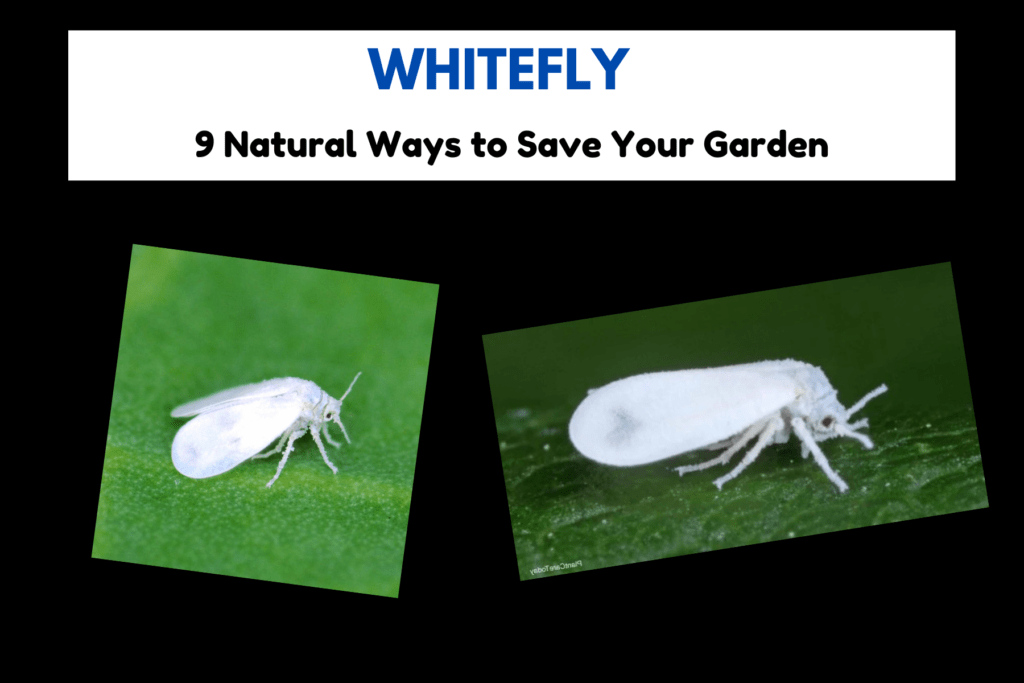
Whitefly: First time I ever saw whiteflies in my garden, I swear. It was a hot July morning in my small North Carolina backyard. I was walking past my tomato plants and all at once a cloud of tiny white insects erupted in front of me.
It was as if somebody had thrown confetti in the air! My initial thought was that it had to be dust. But when I peered more carefully, I could see hundreds of the tiny white mothlike insects glued beneath the leaves.
If that has ever happened to you, don’t feel alone. Among other pests, whiteflies are a scourge in the garden (or agricultural field) in many parts of the U.S. They love warm places and indoor plants. They are small, but they can be a big headache.
In this guide we will learn about whiteflies; how to search for them early, how to control them and how to ensure that they don’t come anywhere near your plants. I will reveal simple techniques, practical tips and scientific solutions that ordinary gardeners use.
Sit back with your coffee, near your plants or by your window, and let’s begin.
What Exactly Are Whiteflies? (They’re Not Actually Flies!)
Even though we call them “whiteflies,” they are not true flies. They are actually closer to aphids and mealybugs—think of them like tiny sap-sucking insects with wings.
They are very small, only 1/16 to 1/10 inch long. They have soft bodies and two pairs of white, powdery wings. They like to stay on the underside of leaves, hiding quietly until you touch the plant. When disturbed, they fly up like snowflakes.
There are over 1,500 species of whiteflies, but only a few commonly attack home gardens. The most common troublemakers are:
- Greenhouse whitefly
- Silverleaf whitefly
- Bandedwing whitefly
If you grow tomatoes, peppers, citrus, okra, cucumbers, eggplants, or indoor decorative plants, whiteflies may already be visiting your garden.
How to Recognize a Whitefly Infestation
Whiteflies are sneaky insects. Most gardeners notice the damage first, not the insect itself.
Here are the signs:
1. The “Cloud Effect”
Tap or shake a leaf gently. If a cloud of tiny white insects flies up, that’s your whitefly problem.
2. Sticky Leaves (Honeydew)
Whiteflies suck plant sap. They release a sticky liquid called honeydew. This makes leaves, pots, and even furniture feel sticky.
If a plant feels like someone spilled sugary soda on it—that is honeydew from whiteflies.
3. Black, Sooty Mold
Honeydew attracts a fungus called sooty mold, which looks like black dust on leaves. The mold does not infect the plant but blocks sunlight, making the plant weak.
4. Yellowing Leaves
Whiteflies take nutrients from the plant, causing leaves to turn pale, yellow, or curl.
5. Stunted or Drooping Plants
A plant full of whiteflies may stop growing, look tired, or drop leaves.
A simple tip: always check under leaves. Whiteflies hide there like shy children trying not to be seen.
Also read:
Garden Pests: Spot, Prevent & Control Naturally
Why Do Whiteflies Love Your Plants?
Whiteflies like places that many American homes accidentally create:
- Warm, sunny rooms
- Greenhouses or closed patios
- Over-fertilized plants with soft new leaves
- Plants that are crowded together
- Plants that are stressed or thirsty
If you have a cozy indoor plant area with lights and humidity, it is like a luxury hotel for whiteflies.
The Whitefly Life Cycle (And Why It Matters for Control)
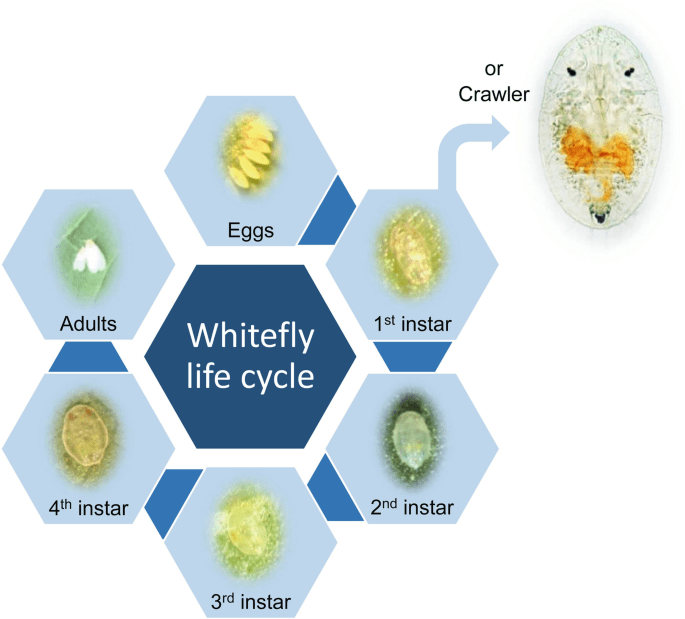
Knowing their life cycle helps you understand why they multiply so fast.
One female can lay 200–400 eggs in her lifetime.
Their cycle:
- Eggs – laid under leaves, sometimes in circles
- Crawler (nymph) – tiny and mobile
- Sessile stage – stays in one place and feeds
- Pupa – does not eat; harder to kill
- Adult – can fly and reproduce fast
In warm weather, they finish this whole cycle in 2½–5 weeks.
This is why spraying once does not work. Some life stages are resistant to many treatments.
Damages Whiteflies Cause (It’s Worse Than You Think)
Whiteflies do more than suck sap. They:
- weaken plants
- stop growth
- cause discoloration
- spread plant viruses
- create honeydew that grows mold
- attract ants (ants love honeydew)
They usually don’t kill big plants right away, but they make them very weak. Young plants and seedlings, however, can die quickly from whitefly attacks.
How to Get Rid of Whiteflies (Simple, Effective, Science-Backed Methods)
You need several methods—not just one—to remove whiteflies.
These steps are recommended by gardening experts and agricultural universities.
1. Blast Them With Water
This is simple and works well.
Take the plant to your sink, bathtub, or outside. Use water to spray the underside of the leaves.
This knocks off:
- adults
- nymphs
- eggs
Whiteflies cannot survive long once removed.
2. Use Yellow Sticky Traps
Whiteflies love yellow.
Place sticky traps:
- above plant leaves
- near windows
- close to infested plants
This catches many adults and helps track your progress.
3. Insecticidal Soap (Safe & Very Effective)
This is gentle and good for indoor plants.
Make your own:
- 1 tablespoon mild liquid soap
- 1 quart water
Spray well, especially under the leaves. Soap kills soft insects by suffocating them.
4. Neem Oil (A Gardener’s Secret Weapon)
Neem oil:
- kills insects
- stops fungus
- prevents future pests
It affects insect hormones and makes feeding and reproduction harder.
Spray in the evening to avoid leaf burn.
10 Beneficial Garden Insects That Protect Your Plants Free
5. Horticultural Oils & Organic Oils
These oils cover eggs and nymphs and smother them.
Use:
- horticultural oil
- canola oil mixes
- plant-safe oil sprays
Spray every 5–7 days for 4–5 rounds to target all stages.
6. Vacuum the Adults
Yes, this sounds funny, but it works.
Use a small hand vacuum early in the morning when whiteflies move slowly. Empty the vacuum outside or freeze the bag to kill them.
7. Bring In Natural Predators (For Outdoors or Greenhouses)
Good insects that eat whiteflies:
- ladybugs
- green lacewings
- Encarsia formosa (tiny parasitic wasp)
Outdoors, they help balance the garden naturally without chemicals.
8. Reflective Mulches (For Outdoor Gardens)
Silver or reflective mulches confuse whiteflies so they can’t land easily.
Useful for:
- tomatoes
- peppers
- cucumbers
- squash
9. Chemical Controls (Use Carefully)
Only use chemicals if nothing else works.
Common ones include:
- pyrethrins
- permethrin
- imidacloprid
- malathion
Important:
Whiteflies become resistant very fast. Rotate chemicals and follow instructions exactly.
Prevention: The Real Secret to Keeping Whiteflies Away
Once you fight whiteflies once, you will want to avoid them forever.
Here’s how:
1. Check New Plants Before Bringing Them Inside
One plant with a few eggs can infect your whole plant collection.
2. Avoid Over-Fertilizing
Too much nitrogen makes soft leaves that whiteflies love.
3. Improve Air Movement
Use fans or space plants apart.
4. Clean Leaves Often
Wipe dust, honeydew, and eggs off leaves with a damp cloth.
5. Keep Plants Healthy
Healthy plants fight pests better naturally.
6. Remove Heavily Infested Leaves
Sometimes cutting a leaf is better than letting pests spread.
How to Identify Pest Damage on Leaves: A Friendly Guide
How to Get Rid of Leaf Miners Naturally – Complete Guide
A Quick Personal Tip
I noticed that planting mint, sage, or thyme near other plants helps repel whiteflies. The smell does not bother us, but whiteflies seem to dislike it.
Another simple routine that helps me:
Every Saturday morning, with my coffee, I look at my plants and flip a few leaves. This small habit prevents big problems later.
Frequently Asked Questions (FAQ)
1. Do whiteflies bite humans?
No, they do not bite. They are harmless to humans and pets.
2. Do whiteflies live in soil?
Not really. They stay on leaves. If you see them flying near the pot, they came from the plant.
3. Are whiteflies harmful to pets?
No. They do not bite or sting animals.
4. How long does it take to get rid of them?
Usually 3–5 weeks because you must break their whole life cycle.
5. When should I use chemical pesticides?
Only as a last choice. Try water, traps, soap, neem, and oils first.
6. Why do whiteflies keep coming back?
Because:
- some eggs were left behind
- plants are stressed
- warm indoor areas help them grow
- new plants brought them in
Being consistent is important.
Final Thoughts
Whiteflies are tiny pests that can cause big stress. But when you understand how they behave and use the right steps, you can easily control them. Start early, stay consistent, and remember to enjoy your plants.