
Last Updated on April 23, 2026 by Sam Wood Worker
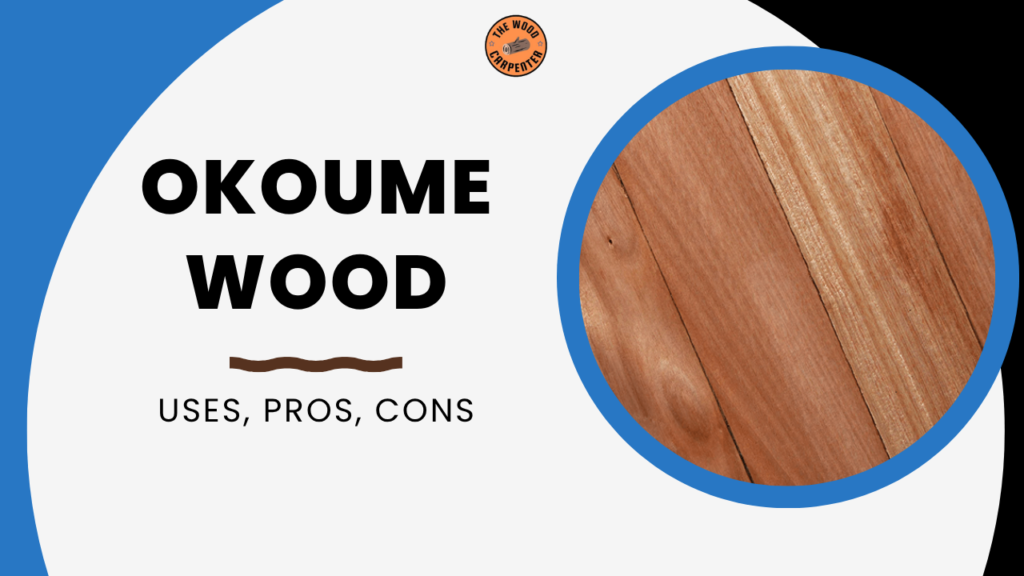
It’s not flashy. It’s not famous. But ask anyone who’s built a kayak or wrestled with marine plywood, and they’ll probably tell you Okoume is something special.
The first time I came across Okoume, I was standing in a lumber yard holding a sheet of plywood I didn’t recognize. Pale, almost salmon-pink, lighter than anything I’d picked up in a while. The label said Okoume and I had absolutely no idea what that meant.
So I did what you do — I bought a sheet, brought it home, and started working with it. Within an hour I understood why the boatbuilding community has been quietly devoted to this stuff for decades.
It’s one of those woods that doesn’t announce itself. No stunning figure, no dramatic color, no reputation as a furniture-maker’s showpiece. But it cooperates. It cuts clean, sands easy, takes finish well, and — critically — it doesn’t weigh you down. For certain kinds of projects, nothing else quite matches up.
Let me walk you through what it actually is, where it comes from, what it’s good for, and where it falls short.
What Is Okoume, Exactly?
Okoume (pronounced oh-KOO-may) comes from the Aucoumea klaineana tree, a tropical species native to west-central Africa. Technically it’s classified as a hardwood — but don’t let that fool you into expecting oak-level density.
Okoume is genuinely lightweight, lighter than a lot of softwoods, and that’s one of the first things that surprises people who pick it up expecting something heavy.
You won’t find it at the big-box stores, but it’s a staple in the plywood and boatbuilding trades. Gabon is by far the biggest exporter, which is why Okoume sometimes goes by the nickname “Gabon mahogany” — though it’s not a true mahogany, and anyone who tells you otherwise is being loose with the terminology.
One thing worth knowing upfront: Okoume comes from tropical forests, and not all of it is harvested responsibly. If that matters to you — and I’d argue it should — look specifically for FSC-certified Okoume plywood. It exists, it’s not hard to find, and it’s worth the small premium.
What It Looks and Feels Like
Fresh-cut Okoume is a pale pinkish-salmon with a slightly golden warmth to it. Run your hand across a freshly planed surface and you’ll notice the grain is fine, almost silky. It’s not a dramatic wood — no wild figure, no conversation-stopping swirls. What you get instead is clean, consistent, and easy to read.
Over time it deepens a little as it takes on light exposure, but nothing dramatic. Just a pleasant warmth settling in.
Weight-wise, Okoume sits around 25 to 27 pounds per cubic foot. Red oak, for comparison, comes in close to 44. That’s not a small gap. When you’re building something that needs to move — or, yes, float — that difference is the whole game.
The hardness is on the lower end. The Janka rating sits around 380 lbf, which means it’s noticeably softer than true hardwoods like maple or oak. You can dent it with your thumbnail if you press hard enough. Keep that in mind when you’re deciding where to use it.
What People Actually Build With It
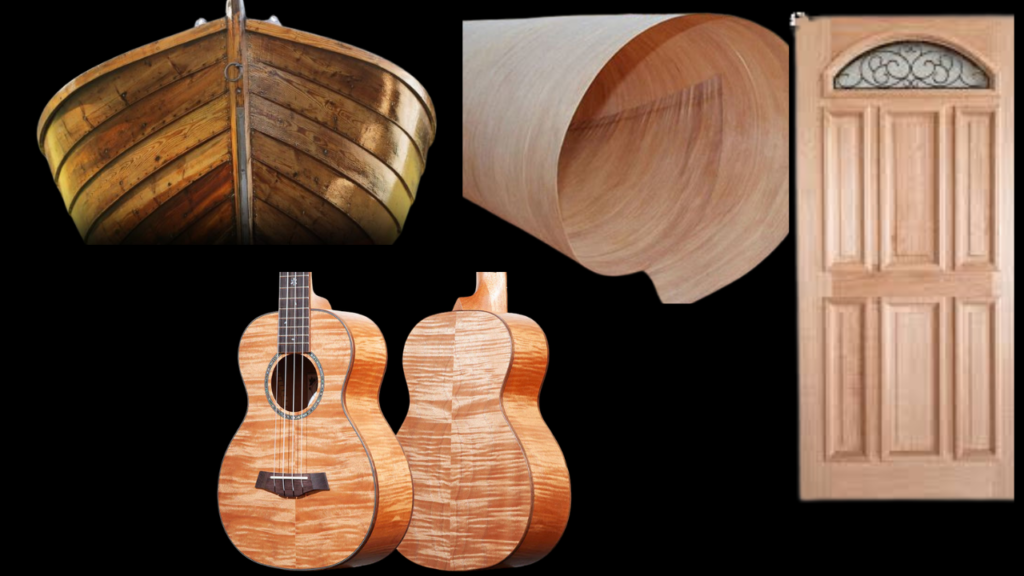
Boats and marine work.
This is Okoume’s home turf. Lightweight, dimensionally stable, and it bonds exceptionally well with epoxy resins — the combination is almost purpose-built for small boat construction. Kayaks, canoes, dinghies, small sailboat hulls.
If you’ve admired the clean lines of a wooden kayak and wondered what gave it that pale, elegant look, there’s a strong chance Okoume was involved. Marine-grade Okoume plywood is widely regarded as some of the best available for this kind of work.
Plywood panels and face veneer.
A huge proportion of Okoume production ends up in plywood. The wood peels cleanly into thin veneers with minimal waste, which makes it economical for manufacturers and attractive for buyers. You’ll often see it as the face veneer on quality plywood sheets — that smooth, pale, consistent surface is a recognizable look once you know what to look for.
Lightweight furniture and cabinetry.
Cabinet doors, drawer fronts, wall-mounted shelving, lightweight furniture panels. Okoume works well anywhere the weight of the piece matters. If you’ve ever carried a heavy cabinet across a room and sworn you’d build lighter next time, Okoume plywood might be what you’re looking for.
Interior doors and joinery.
Interior doors, wall paneling, built-in shelving. The consistent grain makes finishing predictable, and the light weight is a genuine advantage when you’re hanging or installing anything.
Okoume wood in Guitars
Okoume wood is used in guitars for its lightweight feel and warm, balanced tone. It’s often compared to mahogany because it offers a similar sound at a lower cost. Many manufacturers use it for guitar bodies and necks to improve comfort without sacrificing tone. Its smooth grain also makes it easy to finish, giving guitars a clean and attractive look.
The Pros — What Makes It Worth Using
- It’s genuinely light. I keep returning to this point because it keeps mattering. Projects that used to feel like a two-person job become manageable solo. Pieces that needed to be anchored to a wall for weight reasons suddenly don’t. The weight advantage compounds across a whole build.
- Excellent workability. Sharp tools through Okoume feel cooperative in a way that denser hardwoods often don’t. It cuts cleanly, sands smoothly, and doesn’t punish small technique mistakes the way unforgiving species sometimes do.
- Takes finish well. Stains, paints, varnishes, oils — Okoume accepts them without too much drama. The consistent grain means you’re not fighting wild absorption patterns across the same board.
- Exceptional epoxy bonding. If you’re doing marine work or any kind of composite construction, the bond strength between Okoume and epoxy resin is outstanding. This isn’t incidental — it’s one of the main reasons the boatbuilding world adopted it so enthusiastically.
- Consistent grain. What you see on the surface is pretty much what you’ll find throughout the piece. No nasty surprises, no dramatic voids, no wildly different sections in the same board.
- Good value. Compared to other specialty hardwoods, Okoume is reasonably affordable — especially in plywood form. You’re not paying a prestige premium for something that works this well.
The Cons — Let’s Be Honest About Where It Falls Short
- It dents and scratches. The softness that makes it easy to work is also the softness that shows wear. A solid Okoume dining table would look beat up inside a year of regular use. It’s not a high-wear surface material — match it to applications where that’s not a concern.
- Raw Okoume doesn’t like weather. Don’t let the marine plywood reputation mislead you — marine plywood is heavily treated and sealed. Raw, unfinished Okoume doesn’t handle outdoor exposure well. Seal it properly every time, especially on any project that might see moisture.
- Dull blades make it fuzzy. The grain can tear slightly if your tools aren’t sharp. This is true of most woods, but Okoume is less forgiving than some. Keep your blades sharp and this mostly goes away.
- Sustainability concerns. Not all Okoume comes from responsibly managed forests. This isn’t a reason to avoid it — it’s a reason to buy certified. Check for FSC certification before you purchase.
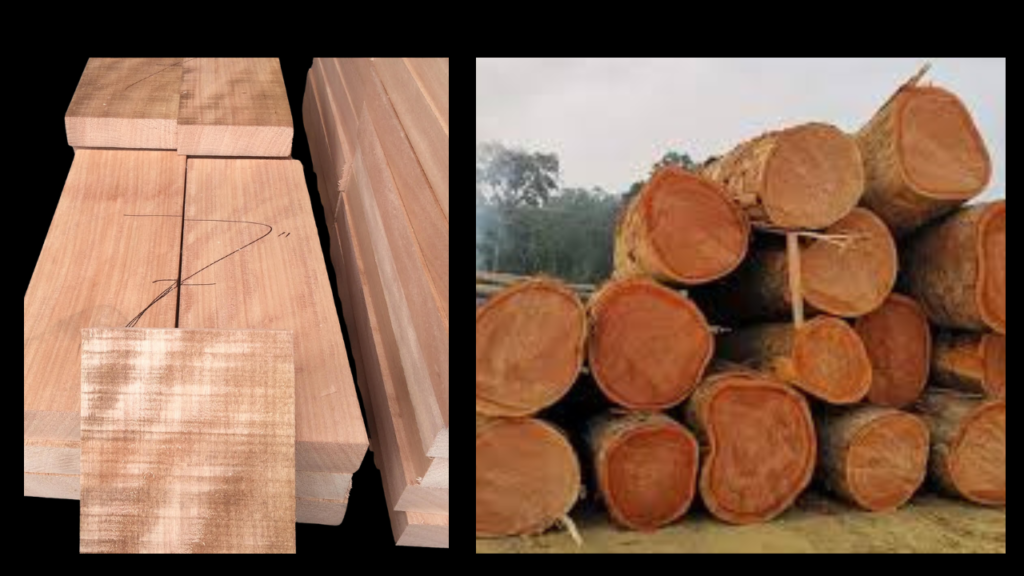
- Hard to find in solid board form. Most of what’s available is plywood or veneer. If you’re after thick, solid Okoume boards for furniture or turning, tracking them down can be a project in itself. Plan ahead.
How It Actually Behaves in the Shop
In my experience, Okoume is one of the more forgiving woods you’ll bring into a shop. Sharp carbide blades give you clean cuts with minimal tearout. If you’re cutting face veneer panels, a fine-tooth blade — 60 or more teeth on a table saw — is worth it. You’ll notice the difference in edge quality.
Sanding is genuinely pleasant. It smooths out quickly and evenly, and you don’t need to fight the surface to get it flat. I usually start around 120 grit and work up to 220 before finishing — that’s almost always plenty. You won’t be chasing scratches for half the afternoon the way you sometimes do with trickier species.
One thing I always mention: the dust. It can be a mild irritant, and for some people it’s more than mild. Wear a dust mask every time you’re cutting or sanding it. That’s good practice with any wood, but Okoume dust deserves to be taken seriously.
For finishing, one tip that saves headaches: use a thin coat of sanding sealer before your topcoat. Okoume — especially on end grain — can drink up finish unevenly. That first sealing step levels out the absorption and makes the final result much more consistent. Skip it once and you’ll understand why I mention it.
If You’re New to Okoume: A Few Things Worth Knowing
Practical pointers from someone who learned a few of these the hard way:
- Start with plywood, not solid boards. Marine-grade Okoume ply is widely available, reasonably priced, and easy to work. Don’t make your first Okoume project a hunt for solid lumber.
- Sharp blades, always. Every wood deserves sharp tools, but Okoume will remind you promptly if yours are dull. Fuzzy edges and slight tearout are the early warning signs.
- Seal every exposed edge. Plywood edges absorb moisture and look rough unless you address them. Edge banding tape works fine for most projects. Don’t skip this step and then wonder why the edges look bad after a few months.
- Wear the dust mask. Not sometimes. Every time.
- Test your finish on a scrap first. Okoume can look noticeably different depending on the finish — lighter stains can look a little flat, while oil finishes bring out a warmth that’s quite nice. Spend five minutes on a test piece before committing to the whole project.
So — Is It Worth Using?
For the right projects, yes. Definitively.
If you’re building something where weight matters — and more builds involve weight than people initially realize — Okoume is hard to beat at its price point. If you need clean, cooperative workability without the stubbornness of denser hardwoods, Okoume delivers. If you’re doing any kind of marine or epoxy composite work, it’s essentially the standard for good reason.
Where it doesn’t belong: high-wear surfaces, anything genuinely outdoor without serious sealing, or projects where you need the structural density of a true hardwood. It’s not the right wood for everything. No wood is.
What I genuinely appreciate about it — and this sounds small but it matters to me — is how unpretentious it is. It doesn’t ask for specialized equipment or perfect technique. You pick it up, you work it, and it works back.
That quality is underrated. Beginners don’t have to battle it to get decent results, and experienced woodworkers can move fast with it because it doesn’t fight back.
It won’t make anyone’s jaw drop at a gallery show. The grain isn’t the kind you frame. But for functional, well-built, lightweight work — the kind of stuff that actually gets used — Okoume quietly delivers, project after project.
Give it a try on your next lightweight build. There’s a decent chance you’ll end up like a lot of woodworkers who discovered it once and just kept going back to it — not because it’s glamorous, but because it simply works.