
Last Updated on August 14, 2026 by Sam Wood Worker
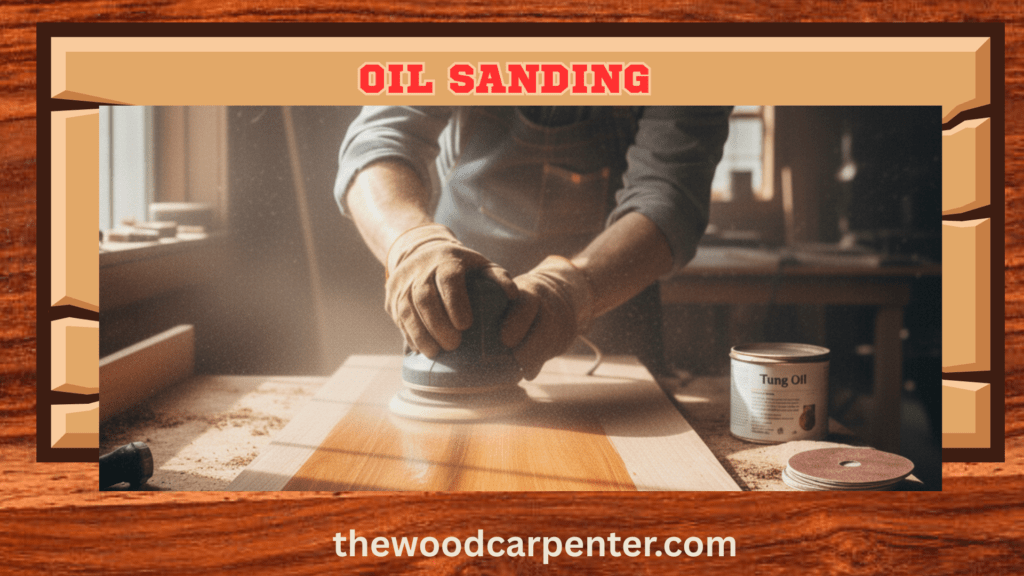
If you’ve ever rubbed your hand over a great piece of furniture and thought how much smoother, warmer, and even more alive it felt compared to something out of the factory, there’s a good chance it was oil sanded as part of the finishing process
It’s old school technique, but has been practiced for generations by high-end woodworkers using hand tools before the invention of modern spray finishes. Even now, if a pro wants a finish that has rich visual depth, feels natural to touch and ages beautifully, lots of them still use oil sanding.
At first, the idea sounds strange. Sanding wood while it is wet with oil feels wrong to many beginners. But once you understand how oil sanding works and why it delivers such unique results, it quickly becomes one of the most satisfying finishing methods you can learn.
This guide combines everything you need to know about oil sanding in one place, written in simple, easy-to-follow language for beginners and experienced woodworkers alike.
What Oil Sanding Really Is
Oil sanding is a finishing method where fine sandpaper is used together with a penetrating oil. Instead of sanding dry wood, you apply oil to the surface and sand while it is still wet. As you sand, fine wood dust mixes with the oil and forms a soft paste called a slurry.
This slurry is the secret. It fills tiny pores, grain lines, and surface imperfections using the wood’s own fibers. Rather than covering the wood with a thick layer that sits on top, oil sanding works into the wood. The result is a surface that feels incredibly smooth and looks deep and natural, not plastic or artificial.
This is very different from normal sanding followed by oil application. In oil sanding, sanding and finishing happen together, slowly building the finish from the inside out.
Why Woodworkers Still Use Oil Sanding Today
Oil sanding takes time, so people don’t use it because it is fast. They use it because of how it looks, feels, and ages.
The surface feels soft and silky, almost like polished stone. When you run your hand across oil-sanded wood, there is no roughness and no sharp texture. This makes furniture feel inviting, not fragile or untouchable.
Visually, oil sanding gives wood real depth. Open-grain woods like oak, walnut, and mahogany look richer because the filled pores reflect light evenly. Grain patterns stand out clearly without looking harsh or overdone.
Another reason oil sanding is loved is how well it repairs. Scratches and wear don’t ruin the piece. You can lightly sand the damaged area with oil and blend it back in. There is no need to strip the whole surface, which makes oil-sanded furniture practical for daily use.
Oil finishes are also easier on the environment and your lungs. There is no spraying, no heavy fumes, and far fewer chemicals compared to lacquer or polyurethane.
Choosing the Right Oil for Oil Sanding
The oil you use affects the outcome and how long it will take to dry, along with the durability. There’s no one “best” oil — they all have their strengths.
Boiled linseed oil is the classic option. It penetrates nicely, it is inexpensive, and creates a nice warm tone to the wood. It does yellow with age, particularly on light woods, and requires about a full day of drying time between coats.
Tung oil is also more water-resistant and yellows less. It dries more slowly and cures harder, providing superior protection. 48 hours between coats is commonly recommended so a lot of patience is required.
Danish oil is a blend of oil and varnish. While it dries quicker than pure oils, and provides better surface protection. It doesn’t penetrate quite as deeply, but many woodworkers prefer it for furniture that sees regular wear.
For food-contact items (bowls, utensils), use food-safe oils like walnut oil or mineral oil. Do not use boiled linseed oil or Danish oil on these projects.
Preparing the Wood Properly
Good oil sanding starts long before the oil comes out.
Sand the wood dry first, working through the grits gradually. Most hardwoods should be sanded to around 180 or 220 grit before oil sanding begins. Going finer is unnecessary because oil sanding will do the final smoothing.
Remove all dust carefully. Leftover dust turns into grit when mixed with oil and can ruin the surface feel.
Raising the grain once with water helps prevent surprises later. Lightly dampen the wood, let it dry fully, then sand again. This step makes the final finish smoother.
Check carefully for glue spots, especially near joints. Oil will not soak into glue, and those areas will stand out badly once finished.
The Oil Sanding Process Explained Simply
Start with fine wet/dry sandpaper. For most hardwoods, 400 grit is ideal for the first oil sanding session. Very dense woods can start finer, while open-grain woods may benefit from slightly coarser paper.
Apply oil generously to a small section of the surface. Do not spread it too thin. You want enough oil to keep the surface wet while sanding.
Thoroughly cover a small area with oil. Do not spread it too thin. You should have enough oil to keep the surface wet while sanding.
Sand gently with steady pressure. As you sand, a soft slurry forms. This is what fills the pores and smooths the surface. If the area dries, add more oil. If it becomes too messy, wipe lightly and continue.
Work evenly across the surface and avoid pressing hard. Oil sanding is more like polishing than sanding.
Once the area is fully sanded, wipe off all excess oil and slurry with a clean cloth. The surface should feel smooth but not sticky.
Let the piece dry completely. This step is critical. If the oil has not fully cured, the next new coat will remain sticky and never cure properly.
Allow to dry completely, then repeat the process with 600 grit paper. Most sets require three to five oil sanding stages to achieve optimum performance.
Adjusting the Method for Different Woods
Closed-grain woods like maple, cherry, and birch need fewer sessions and lighter pressure. Their smooth structure fills quickly.
Open-grain woods such as oak, walnut, and mahogany need more time. Their deep pores benefit from extra slurry, and four to six sessions are common for a truly flat surface.
Softwoods like pine require extra care. They compress easily and can become uneven. Use very fine paper, light pressure, and limit the number of sessions.
Figured woods respond beautifully to oil sanding. The technique enhances curl, quilt, and flame without flattening the visual depth.
Common Mistakes That Ruin Results
Using sandpaper that is too coarse creates scratches that are hard to remove later. Oil sanding works best with fine grits.
Not using enough oil prevents proper slurry formation. Oil sanding does not work when the surface is dry.
Rushing drying time is one of the biggest mistakes. Each coat must cure fully before the next.
Leaving slurry on the surface causes sticky finishes that never harden. Wiping thoroughly is just as important as sanding.
Oil sanding cannot fix poor preparation. Deep scratches, tear-out, and glue marks must be handled before finishing begins.
Oil Sanding Compared to Other Finishes
| Method | Final Feel | Protection | Repair Ease | Best Use |
| Dry Sanding | Rough to matte | None | N/A | Early shaping |
| Wet Sanding | Very smooth | Low | Moderate | Polishing sealed surfaces |
| Oil Sanding | Silky, natural | Medium | Very easy | Fine furniture |
| Polyurethane | Hard, plastic-like | High | Difficult | High-wear areas |
| Lacquer | Smooth, glossy | High | Hard | Professional shops |
Oil sanding stands out for its natural feel and easy repair, even though it takes more time.
Caring for Oil Sanded Finishes
Daily care is simple. Clean with a soft cloth, and do not use harsh chemicals.
When the surface starts to look dry or dull, wipe on a fresh coat of oil, let it soak briefly, and wipe off the excess. No sanding is needed for normal refresh coats.
Scratches can be spot-repaired by lightly sanding with oil and blending into the surrounding area.
With basic care, oil-sanded furniture can hold up for decades and even get better with time.
Frequently Asked Questions
How long does oil sanding take?
Most projects take a week or more because each coat needs full drying time. The result is worth the wait for special pieces.
Can oil sanding be done over old finishes?
Only over existing oil finishes. Film finishes like polyurethane must be removed completely.
Is oil sanding food safe?
Yes, if food-safe oils are used. The technique itself is safe; the oil choice matters.
Can you oil sand plywood or veneer?
It is risky. Veneer is thin, and sanding through it is easy. Use very light pressure or avoid oil sanding on veneer altogether.
Are oil-soaked rags dangerous?
Yes. Lay them flat to dry completely or store them submerged in water. Never leave them piled up.
Why Oil Sanding Is Worth Learning
Oil sanding is not about speed. It is about craft, patience, and respect for the material. Each session improves the surface a little more, and the final result reflects the care you put into it.
The feel, depth, and repairability of oil-sanded wood are hard to match with modern shortcut finishes. Not every project needs this treatment, but when quality truly matters, oil sanding delivers results that last a lifetime.
If you want your best work to look and feel truly special, oil sanding is a skill worth mastering.