
Last Updated on July 6, 2026 by Sam Wood Worker

Maple vs. Cherry Wood
Quick Answer: Maple lasts longer and handles more wear. Cherry looks more beautiful, especially as it ages. If you need something tough and budget-friendly, go with maple. If you want rich, warm color that gets better with time, cherry is the one.
Key Takeaways
- Maple is harder than cherry and better for high-traffic surfaces like floors and countertops.
- Cherry has a natural reddish-brown color that deepens beautifully over the years.
- Maple is usually cheaper and easier to find at local stores.
- Cherry is a premium wood — it costs more but looks stunning in furniture.
- Both are great hardwoods, but they shine in different projects.
My First Time Using Both Woods
I remember the first time I stood in a lumber yard, holding a piece of cherry in one hand and maple in the other. Both felt solid. Both looked clean and smooth. But they felt different somehow.
The cherry had this warm pinkish tone, almost glowing under the fluorescent lights. The maple was pale and almost white, with a subtle pattern in the grain.
I didn’t know which one to pick that day. I ended up buying both, just to try them out. And I’m honestly glad I did — because that one afternoon taught me more than any article ever could.
What Is Maple Wood?
Maple is one of the most popular hardwoods in America. You’ve probably already seen it — bowling alley floors, butcher blocks, kitchen cabinets. It’s everywhere because it works everywhere.
There are two main types you’ll come across: hard maple and soft maple. Hard maple (also called sugar maple) is what most woodworkers mean when they just say “maple.” It’s the tough one. Soft maple is a little easier to work with but still harder than most other common woods.
I once used hard maple for a maple cutting board for my kitchen. That thing has survived years of chopping, washing, and scrubbing. Still looks almost new. That’s when I really understood what maple is capable of.
The grain is tight and fine. The color is creamy white to light golden. It’s not the most exciting wood to look at when it’s raw, but once you put a nice finish on it? It becomes very clean and professional-looking.
If you want to read more about this wood in detail, I wrote a full guide here: maple wood — everything you need to know.
What Is Cherry Wood?
Cherry is what I call a “slow reveal” wood. When you first buy it, it looks pinkish-brown and kind of ordinary. But leave it in sunlight for a few months and — wow. It turns into this deep, rich reddish-brown that looks like something from an expensive furniture store.
I built a small bedside table from cherry a couple of years ago. I put it near a window. Six months later, my wife thought I had stained it. I hadn’t. That’s just what cherry does.

Cherry comes from the American black cherry tree. It’s a native hardwood that’s been used by American furniture makers for centuries. If you’ve ever seen antique American furniture with that deep, warm color — there’s a good chance it was cherry.
You can learn more about why it’s so popular here: cherry wood — why it’s ideal.
Maple vs. Cherry: Side-by-Side Comparison
| Feature | Maple | Cherry |
|---|---|---|
| Hardness (Janka) | 1,450 lbf | 950 lbf |
| Color | Creamy white to light gold | Pinkish to deep reddish-brown |
| Grain | Tight, fine, consistent | Straight with smooth texture |
| Durability | Very high | Medium-high |
| Cost | $4–$8 per board foot | $6–$12 per board foot |
| Ages over time | Stays mostly the same | Darkens beautifully |
| Best for | Floors, cabinets, countertops | Furniture, tables, decorative pieces |
| Works with stain | Can be tricky | Takes stain well |
Which One Is Harder and More Durable?
Let’s talk about the Janka hardness scale for a second. This is the measurement woodworkers use to understand how tough a wood is. Higher number = more resistance to dents and scratches.
Hard maple scores 1,450 lbf on the Janka scale. Cherry scores 950 lbf.
That’s a big difference. Maple is nearly 53% harder than cherry.
What does that mean in real life? Let me give you a practical example.
I once installed maple floors in a hallway that my dogs run through every single day. A few years in and there are barely any scratches. When I used a softer wood in another part of the house, I started seeing scratch marks within months.
Cherry, on the other hand, can dent if you drop something heavy on it or drag furniture across it. It’s still a hardwood — don’t get me wrong — but it’s not in the same league as maple when it comes to raw toughness.
Verdict: Maple wins for durability.
If you’re building something that needs to handle daily beating — like maple hardwood flooring or a workshop workbench — maple is the smarter pick.
Which One Looks Better?
This is where cherry pulls ahead. And honestly, it’s not even close for most people.
Maple is beautiful in its own way. It has a clean, light, modern look. Some people love how it brightens up a room. I’ve used it for kitchen cabinets and it looks fantastic — especially in smaller kitchens where you want to make the space feel bigger.
But cherry? Cherry has character. That warm, reddish-brown color that deepens with age — there’s nothing else quite like it. It has a natural elegance that you don’t need to force with stain or dye.
I showed a side-by-side dining table to a friend once. One half maple, one half cherry. She picked cherry immediately without even knowing why. “It just looks warmer,” she said.
That’s exactly it.
Cherry also has a very smooth texture and a fine, straight grain. It finishes beautifully. If you’re building furniture that you want to be the centerpiece of a room, cherry gives you that without much effort.
Verdict: Cherry wins for looks.
How Do They Age Over Time?
This is one of the most interesting differences between these two woods.
Maple stays pretty consistent over time. It might get a little yellow-gold with age, but it doesn’t change dramatically. That’s actually a pro for some people — you know what you’re getting and it stays that way.
Cherry, though, transforms. Fresh-cut cherry starts as a pale pinkish color. But with exposure to light and air, it develops a deep, honey-reddish-brown patina. If you’ve ever seen Brazilian cherry wood floors — they have a similar kind of rich aging effect, though Brazilian cherry is actually a different species.
One practical tip: if you’re building something from cherry, try to expose all pieces to light equally before assembly. Otherwise, the parts that get more sun will darken faster, and you’ll see uneven color.
I learned this the hard way. I built a shelf and some of the boards darkened faster than others because one side was facing the window. After a year, it looked patchy. Lesson learned.
Which Is Easier to Work With?
Both are considered “workable” hardwoods for beginners, but they do have different personalities in the shop.
Maple is dense. This means it can be harder on your tools. Dull blades will leave burn marks on maple — I’ve seen it happen many times. You need sharp tools and patience. Also, maple can be tricky to stain evenly because of its tight grain. If you want to stain maple, read about gel stains for wood — they work much better on maple than regular liquid stains.
Cherry is softer and easier to cut and shape. It responds well to hand tools and power tools alike. It also takes oil-based stains very well. In fact, most professionals prefer to finish cherry with just an oil or a clear coat to let the natural color do the talking.
One more thing — cherry has a very smooth surface after sanding. It almost sands itself. When I first ran my hand over a cherry board after 220-grit sanding, it felt like glass.
Verdict: Cherry is easier for beginners.
Practical Scenarios: Which Wood Should You Choose?
Let me walk you through some common situations so you can make a faster decision.
Building a Dining Table
If the table will see heavy daily use — kids, dinner parties, homework — maple is safer. It’ll resist scratches better. But if you want a statement piece that looks stunning for years, cherry will age beautifully and becomes a conversation piece.
I actually covered the best wood choices for tables in this guide: top 10 wood choices for table tops.
Building Kitchen Cabinets
Both work great. Maple gives you a lighter, more modern look. Cherry gives you warmth and richness. I’ve seen both in high-end kitchens and they both look fantastic. If you’re painting the cabinets, go with maple — it takes paint well. If you’re going natural or clear coat, cherry shines.
Installing Hardwood Floors
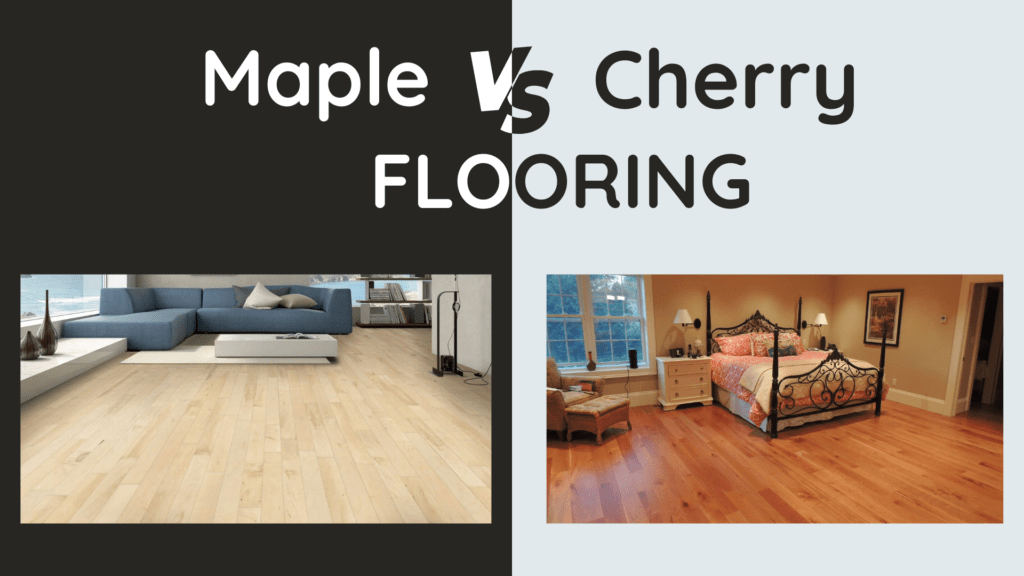
Maple, without question. The hardness difference really matters here. Cherry floors can look gorgeous, but they’ll show wear faster in high-traffic areas. Check out my comparison between hard maple and soft maple if you want to understand the flooring options better.
Making a Cutting Board
Maple wins here too. It’s the classic cutting board wood for good reason — dense grain means fewer knife marks, easier to sanitize, and very long-lasting. I wrote a whole article about maple cutting board benefits if you want the full details.
Furniture That You Want to Look Special
Cherry. Every time. Whether it’s a guide to furniture wood types or just your personal reading chair, cherry makes furniture feel elevated. It’s why high-end furniture makers have used it for hundreds of years.

What About Cost?
Maple is generally more affordable and easier to find. You can walk into most big-box stores and find maple boards readily available.
Cherry is more of a specialty wood. It costs more — sometimes double what maple costs per board foot. But for furniture projects, the extra cost is often worth it.
If budget is tight and you want that warm brown look without paying cherry prices, you could look at walnut wood as an alternative. It’s similar in feel and gives that rich dark color, though walnut is typically even pricier than cherry.
Another option worth exploring is black walnut wood — beautiful, similar warmth, and a great alternative to consider.
Finishing Options for Both Woods
The finish you choose changes everything about how these woods look and last.
For maple, I usually recommend a water-based polyurethane. It keeps the color light and clean. Oil vs water-based polyurethane is a debate worth reading about if you’re not sure which to pick.
For cherry, I like a natural oil finish — something like tung oil or danish oil. These penetrating oils bring out the warmth of the wood without adding a thick plastic layer on top. Cherry is one of those woods that looks best when you let it breathe.
If you want to understand all your finish options before you start, wood finishes 101 is a great place to begin.
FAQ
Is maple or cherry better for bedroom furniture?
Cherry is the better choice for bedroom furniture. It has a warm, elegant appearance that suits bedrooms well, and the darker tone as it ages creates a classic, rich look. Maple is fine too, especially if you want a lighter, modern feel.
Which wood is more scratch-resistant — maple or cherry?
Maple is significantly more scratch-resistant. With a Janka hardness of 1,450 lbf versus cherry’s 950 lbf, maple handles daily wear and tear much better. For floors, countertops, or any surface that takes a beating, maple is the stronger choice.
Does cherry wood change color over time?
Yes, and in a beautiful way. Cherry starts as a light pinkish-brown and darkens into a deep reddish-brown with exposure to light. This process is called patination and it’s one of the reasons woodworkers love cherry so much.
Can you mix maple and cherry in one project?
Yes, and this is actually a popular technique. The contrast between maple’s light color and cherry’s rich warmth can look stunning. Many woodworkers use maple for secondary parts (like drawer sides) and cherry for the visible faces.
Is maple easy to stain?
Maple can be tricky to stain because of its tight, closed grain. It tends to absorb stain unevenly, creating a blotchy look. Using a wood conditioner first or switching to gel stains helps a lot.
What is the price difference between maple and cherry?
Maple typically costs between $4–$8 per board foot. Cherry runs between $6–$12 per board foot depending on quality and where you buy it. Cherry is a premium wood, so expect to pay more.
Which is better for a kitchen countertop?
Maple. Its hardness makes it far more suitable for a surface that sees knives, pots, and constant activity. Many butcher blocks are made from maple for exactly this reason.
My Final Recommendation
After working with both maple and cherry for years, here is what I honestly tell people:
If you need something tough, affordable, and practical — choose maple. It’s a workhorse. Floors, countertops, cabinets, cutting boards. Maple does all of it without complaint.
If you want something that looks beautiful and only gets better with age — choose cherry. For furniture, decorative pieces, or any project where looks matter most, cherry is hard to beat.
And if you’re still not sure? Start with a small project using both. Cut a few boards, sand them, put some finish on them. See how they feel in your hands and how they look in your space.
That’s what I did years ago in that lumber yard. And it turned out to be the best woodworking lesson I ever got.
Want to explore more wood types before making your decision? Check out the ultimate guide to types of wood for woodworking or browse the full guide to furniture wood types for a broader comparison.